Red Light Therapy for Achilles Tendon Pain: Evidence, Benefits & Athlete Guide

Red Light Therapy for Achilles Tendon Pain: What Research Shows for Athletes and Runners
Red Light Therapy for Achilles Pain
Red light therapy for Achilles tendon pain appears to be most effective when applied as part of a rehabilitation process. While a 2022 systematic review concluded that evidence is limited due to small, low-quality studies, prior clinical findings suggest better outcomes when photobiomodulation is combined with eccentric exercise. Mechanistic studies also indicate potential benefits in collagen synthesis, inflammatory signaling, and intracellular energy production.
- 1. Why Achilles Tendon Pain Is So Common in Athletes
- 2. Achilles Tendon Pain: What Structure Is Actually Involved
- 3. Does Red Light Therapy Help Achilles Tendon Pain? What Research Says
- 4. How Red Light Therapy May Work on Achilles Tendon Pain
- 5. Practical Guide: Using Red Light Therapy for Achilles Tendon Pain
- 6. Can Red Light Therapy Be Used Alongside Physiotherapy?
- 7. Returning to Running and Sport After Achilles Pain
- 8. Frequently asked questions (FAQs)
- 9. Key Takeaways
- 10. References
Why Achilles Tendon Pain Is So Common in Athletes
The Achilles tendon serves as the medium by which the forces generated by the calves are transmitted to the foot. Any walking, jumping, or pushing action will require the use of the tendon. The tendon further serves to store elastic energy during movement, particularly in running or sprinting activities.
It is possible for very minor repetitive strain to gradually erode away the strength of the tendon. For runners, this may manifest as stiffness following a lengthy run, while those involved in court sports may experience discomfort following rapid cutting and jumping movements. This is indicative that the tendon is under some strain, and if left untreated, the tendon becomes more susceptible to damage and more vulnerable.
The Sports Most Commonly Linked to Achilles Tendinopathy
Achilles tendinopathy is common in:
- Running
- Volleyball and basketball
- Football and soccer
- Racket sports such as tennis
- CrossFit
The tendon is subjected to repeated high loads via acceleration, deceleration, and ground contact. This process could eventually test the tendon's ability, especially when there is a sudden increase in the intensity of training.

Why the Achilles Is So Slow to Calm Down Once Irritated
Blood flow in the Achilles tendon is not as much as that in other muscles, hence limiting the recovery time of the tissue once damaged due to repetitive loading.
There will never be an interruption in training since life continues, and athletes are still active despite trying to allow for proper healing time of the tendon.
Tendon remodeling takes some weeks or months, making the process slow in nature as compared to muscle tissue.
Sometimes, pain may not correlate well with load, hence posing difficulties in determining when the tendon is actually ready.
Achilles Tendon Pain: What Structure Is Actually Involved
The Achilles tendon connects the gastrocnemius and soleus muscles to the calcaneus, forming the final link in force transfer from the calf to the foot. It plays a central role in running, jumping, and other athletic movements.
It is enclosed by a thin tissue known as paratenon, which permits gliding during force application. Paratenon irritation is one of the causes of tendon pain.
The structure of the tendon comprises collagen fiber arrangement in a matrix. Tenocytes are responsible for maintaining the tendon's structural integrity. The continuous application of force may interfere with collagen organization and cellular functions, causing pain.
There are two sites for developing pain along the tendon. These are the middle portion of the tendon and its insertion onto the heel bone. Both regions exhibit varied reactions to force application and must be managed independently.

Mid-portion vs Insertional Achilles Tendinopathy
Mid-portion tendinopathy appears 2–6 cm above the heel. Pain increases with running, hopping, and calf raises. Progressive loading is effective for this region.
Insertional tendinopathy occurs at the calcaneal attachment. Pain localizes at the back of the heel. Deep ankle flexion can increase compression, so loading strategies need modification to prevent irritation.
Treating mid-portion and insertional cases as identical often leads to poor outcomes.
Tendinitis vs Tendinopathy: Why the Difference Matters
Most chronic Achilles pain is not driven by active inflammation. Degenerative, load-related changes dominate the clinical picture.
This distinction shapes treatment. Interventions that target inflammation alone do not resolve the underlying issue. Mechanical loading remains central.
Photobiomodulation fits into this context as a supportive strategy. It does not reverse structural changes on its own.
When to See a Doctor Before Self-Managing
Seek medical evaluation if you experience:
- Sudden pop or snapping sensation
- Inability to push off the foot
- Visible gap or defect in the tendon
- Rapid swelling or bruising
- Suspected partial or full rupture
- Severe insertional pain with bony irritation
- No improvement after 4–6 weeks of structured conservative care
These symptoms require professional assessment and fall outside routine self-managemen
Does Red Light Therapy Help Achilles Tendon Pain? What Research Says
Human data on red light therapy for Achilles tendinopathy remain limited, and results are mixed. A 2022 systematic review found no definitive evidence of effectiveness, with studies varying in quality and intervention protocols. However, some clinical data suggest that combining photobiomodulation with eccentric exercise may provide measurable improvements, highlighting its potential as a supportive tool in structured rehabilitation.
Rocha et al., 2022: Systematic Review and Meta-Analysis of Randomized Clinical Trials
Systematic Review with Meta-analysis from 2022 analyzed randomized clinical trials with use of photobiomodulation therapy for Achilles tendon pain.
There were 5 studies that matched the inclusion criteria, out of which 3 studies comprised the meta-analytic pool with an overall sample of 79 patients.
The findings were consistent:
- no significant difference in pain between PBM and control groups
- no measurable effect in acute or chronic cases
- evidence quality rated very low to low
The conclusion is direct. Current human evidence does not demonstrate a clear benefit. Higher-quality trials are required.
Silva et al., 2020: Systematic Review of PBMT on Experimental Calcaneal Tendon Injury in Rats
A systematic review examined photobiomodulation in experimental calcaneal tendon injury models.
The review supports:
- changes in collagen organization
- modulation of inflammatory processes
- influence on tendon repair pathways
This body of evidence provides biological context. It shows that PBM interacts with tendon tissue at a cellular level. It does not confirm effectiveness in athletes with Achilles tendinopathy.
Tumilty et al., 2016: Photobiomodulation and Tendon Healing Mechanisms
This review looked at the effect of photobiomodulation on the healing of tendons and soft tissues, and its potential in dealing with tendinopathy.
The findings suggest:
- modulation of inflammatory markers during early healing phases
- stimulation of fibroblast activity and collagen synthesis
- potential improvements in tissue repair environment
Photobiomodulation may affect different phases of the tendon healing process through cell- and biochemistry-based mechanisms. Although there is enough evidence supporting the biological rationale of photobiomodulation, the authors state that further clinical studies on humans are required.
Stergioulas et al., 2008: Photobiomodulation Plus Eccentric Training in Achilles Tendinopathy
This randomized controlled study examined the influence of photobiomodulation on eccentric exercise in people with Achilles tendinopathy.
The subjects were allocated to one of two treatments: eccentric exercise plus active laser treatment or eccentric exercise plus placebo laser treatment.
The findings showed:
- greater pain reduction in the PBM + exercise group compared to exercise alone
- improved functional outcomes during activity
- benefits observed during and after the treatment period
These results suggest that photobiomodulation may enhance the effects of progressive loading when used as part of a structured rehabilitation program. Unlike studies assessing PBM in isolation, this trial reflects real-world clinical use where multiple modalities are combined.
What the Evidence Does and Does Not Yet Confirm
- Red light therapy on humans for achilles tendon pain demonstrates conflicting results, which may be attributed to variations in study methodology, subject sample size, and application protocol.
- There are findings that demonstrate improved results in combination with loading regimens, indicating real-world clinical applications.
- The quality of evidence remains in the process of development; small sample size, variable dosage, and limited follow-up period prevent conclusive statements.
- Experimental studies confirm physiological validity through collagen metabolism, inflammation response, and tendon healing mechanisms.
- From an experimental setting to practical usage in athletes, further investigation remains necessary.
Pain reduction does not necessarily correlate with physiological change; photobiomodulation serves as an adjunct therapy along with progressive loading rather than an alternative.
How Red Light Therapy May Work on Achilles Tendon Pain
PBM influences important cellular functions that include collagen synthesis, inflammation regulation, and ATP generation within mitochondria in the tendon tissue. The scientific rationale behind photobiomodulation helps to understand the reason for its use in tendon treatment through the application of red light therapy. There is not enough evidence regarding its efficacy on athletes since there are inconsistent findings with regard to pain reduction or functional improvement. PBM can be considered a complementary method of tendon healing.

Supporting Collagen Remodeling in Tendon Tissue
Type I collagen provides tensile strength, while type III collagen is involved in repair processes. Experimental Achilles models show increased expression of both following LED therapy, suggesting an effect on tendon matrix activity.
This remains mechanistic evidence and has not been confirmed in human outcomes.
Anti-Inflammatory Signaling and IL-10 Modulation
IL-10 is an anti-inflammatory cytokine involved in regulating tissue responses. Experimental data shows increased IL-10 expression following LED treatment in an Achilles tendinitis model.
This suggests a potential shift toward a less reactive tissue environment, though it does not confirm pain reduction in athletes.
Mitochondrial ATP Support in a Poorly Vascularized Structure
Photobiomodulation interacts with mitochondria to influence ATP production. Given the Achilles tendon’s relatively low blood supply, this mechanism is often cited as a rationale for use.
This remains a biologically plausible explanation rather than direct clinical evidence.
Pain Modulation: Why Pain Relief and Tissue Repair Are Not the Same Thing
Tendon pain is determined by more factors than their structural condition. The sensitivity to loads, neurological input, and condition of the adjacent tissues also play a role in this. When there are positive changes in the tendon's structure, pain can persist due to the effects of these factors.
A biological response at the tissue level is not necessarily associated with a lower perception of pain. In laboratory studies, minor changes in collagen, cytokine levels, and cellular activity can be demonstrated, but they do not guarantee a positive outcome for athletes.
The meta-analysis from 2022 emphasizes this issue. Although the effectiveness of red light therapy in influencing the biological mechanisms of tendon regeneration was proven, clinical trials revealed no decrease in pain. It means that tendon recovery should involve biological interventions, loads, and proper stress management.
Red Light vs Near-Infrared for a Thick Tendon Like the Achilles
The Achilles tendon sits deeper than superficial soft tissue.
- Red light (630–660 nm) targets surface-level structures
- Near-infrared (810–850 nm) penetrates deeper into the tendon and surrounding tissue
A combined approach improves coverage across different tissue depths. This is a targeting principle based on anatomy, not a single trial outcome.
Why Full Tendon Coverage Matters More Than “One Sore Spot”
Achilles pain rarely stays isolated. It can involve:
- the mid-portion of the tendon
- the insertion at the heel
- the paratenon
- the musculotendinous junction
Calf muscle tension also contributes to overall load on the tendon. The gastrocnemius and soleus influence how force is distributed through the system.
Focusing on a single painful point misses the broader load pathway. Effective application targets the full tendon region and adjacent structures.
Practical Guide: Using Red Light Therapy for Achilles Tendon Pain
It should be noted that following a certain pattern is key to successfully including PBM in the recovery process of the Achilles tendon. It should be done by professionals in order to avoid any problems with the use of PBM due to an inconsistent process. It is always important to support the progression of tendon loading with PBM, but never replace it. In doing so, it will become much easier to ensure good results in the recovery process.
How to Use Red Light Therapy for Achilles Tendon Pain at Home
Using red light therapy at home requires consistent application across the full tendon pathway. Most athletes benefit from treating the mid-portion, insertion, and calf–Achilles junction rather than focusing on one painful spot.
A session generally takes about 10 to 20 minutes each for the affected regions and is conducted several times weekly. In runners and jumpers, use occurs following training or rehabilitation sessions after loading the tendon.
Consistency over several weeks is key, as tendon adaptation is gradual. Red light therapy should always be combined with structured loading, since Achilles tendinopathy is primarily a load-related condition.
Wavelength Selection for Achilles Tendon Use
- Red light (630–660 nm): Ideal for superficial tissue targets, such as the paratenon and surface tendon fibers.
- Near-infrared (810–850 nm): Penetrates deeper structures, including the mid-portion and musculotendinous junction.
- Combination approach: Using both red and near-infrared wavelengths ensures versatile coverage for tendon and surrounding tissues, supporting recovery across depth layers in sports injuries.
Where to Apply the Device
- Mid-portion: Directly over the painful section of the tendon.
- Insertional area: Near the heel, if symptomatic.
- Medial and lateral sides: Covers the tendon breadth and reduces isolated targeting.
- Calf–Achilles junction: Higher along the tendon pathway to address load from calf muscles.
Avoid treating only a single point; full tendon coverage provides the most consistent support.
Session Duration and Frequency
- Time per treatment area: 10–20 minutes, depending on device output and area size.
- Active recovery phase: 4–5 sessions per week.
- Return-to-sport / maintenance: 2–3 sessions weekly.
Editorial caution: Study protocols vary, and inconsistent or unstructured use may not replicate observed benefits in controlled trials.
Timing Relative to Training
- Post-training: After runs, field sessions, or calf loading exercises to support recovery.
- Non-training days: Can maintain treatment consistency and tissue support.
- Avoid pre-session claims: Present PBM as a recovery preparation tool, not a direct performance enhancer.
How to Pair PBM with Eccentric or Heavy Slow Resistance Work
- PBM does not replace loading: Apply after rehab exercises or later in the day.
- Gradual progression: Maintain incremental tendon loading to prevent overload.
- Monitor response: Track next-morning stiffness and pain to guide session adjustments.
What Athletes Often Get Wrong
- Focusing only on the painful spot.
- Skipping calf strengthening exercises.
- Increasing running mileage or intensity too quickly.
- Expecting tendon pain to resolve like a muscle strain.
- Using PBM inconsistently or without structured protocol.
What Lumaflex Body Pro Teaches About Achilles Application Protocols
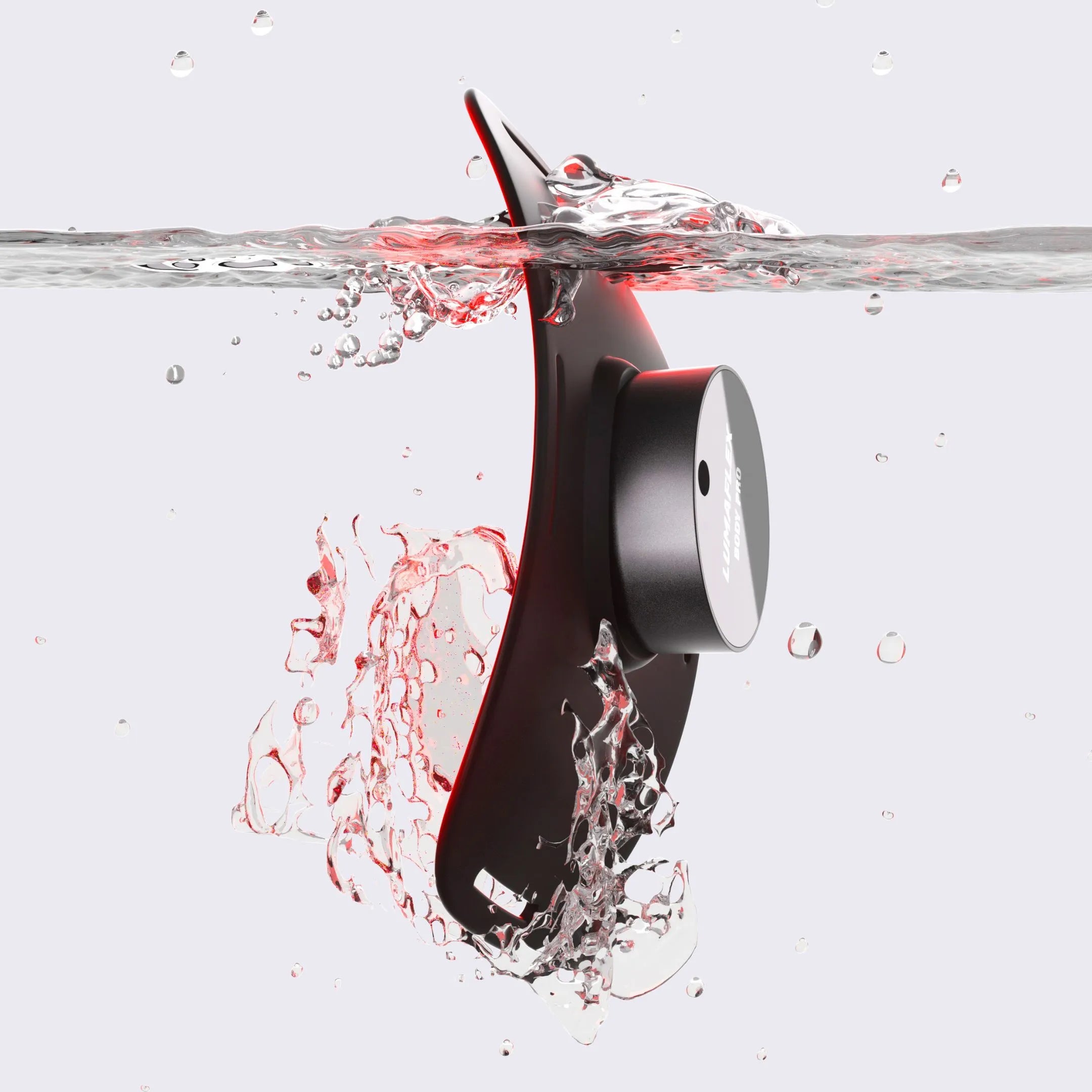
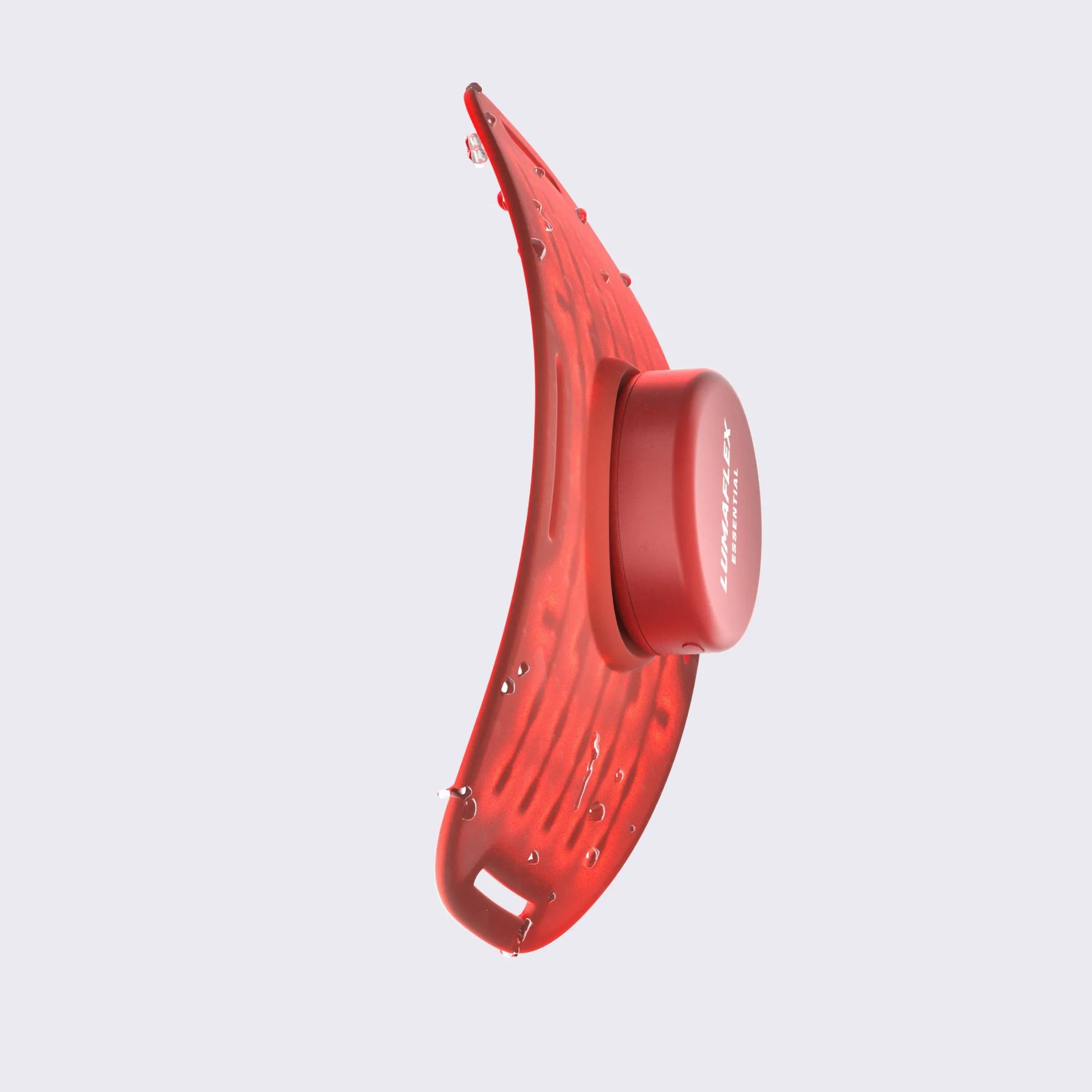
Effective Achilles treatment requires broad coverage across the tendon and calf interface. Lumaflex Body Pro is designed for this type of application, making it easier to treat the full tendon pathway consistently. This is particularly useful for athletes managing high training loads who need a repeatable recovery routine.
Can Red Light Therapy Be Used Alongside Physiotherapy?
Red light therapy, also referred to as PBM (photobiomodulation), is more effective if used alongside an exercise routine in managing Achilles tendon injury. Red light therapy cannot be used as an alternative to loading but can be used in conjunction with it to enhance treatment outcomes.
PBM as an Adjunct
- Eccentric calf raises: Promotes healing from repetitive tendon loads.
- Heavy-slow resistance exercises: Aids in progressively increasing tendon strength.
- Gait and loading modifications: Increases adaptability to biomechanical changes.
- Mobility exercises: Might improve tissue reaction during stretching or motion activities.
- Heel raise: Helpful if needed medically to decrease insertion loads.
Combination of methods improves tendon adaptation and healing. Consistent symptoms that impact performance must be discussed with the physiotherapist.
What Red Light Therapy Does Not Replace
- Progressive tendon loading: PBM cannot substitute for structured strengthening protocols.
- Return-to-run programming: Gradual reintroduction to running must follow established progressions.
- Footwear and training error correction: Biomechanical and external factors still require attention.
- Rupture assessment: Sudden tendon injuries require immediate clinical evaluation.
- Medical oversight: Severe, worsening, or chronic symptoms must be addressed by a healthcare professional.
Returning to Running and Sport After Achilles Pain
Properly timing the return to sport is critical for preventing setbacks and supporting long-term tendon health. Red light therapy (PBM) can be integrated into maintenance and recovery strategies, but functional readiness and progressive loading remain the primary determinants of return timelines.
Functional Milestones Before Progressing Load
Tendons need to be able to tolerate incremental loading stresses:
- Pain assessment: Monitor pain during and following calf raises and similar exercises.
- Delayed onset muscle soreness: Monitor recovery progress to understand tendon reaction.
- Dynamic loading: Perform hops, skips, and light runs prior to training.
- Incremental loading stress: Slowly introduce speed sessions, jumps, and sport-specific training..

Runners vs Court-Sport Athletes — Why Return Timelines Differ
- For running athletes: Tendons experience constant or repetitive loading. In the case of midportion tendinopathy, a relatively predictable course of action may be employed.
- For court sport athletes: Accelerations, decelerations, and jumps place increased loads on the tendons, which must be done carefully and with close monitoring.
- Comparison of cases: Insertional tendinopathy requires modified loading phases.
Using PBM as Part of an Ongoing Maintenance Strategy
- Heavy training blocks: Utilize PBM to aid recovery in heavy training periods where calves are overloaded.
- Tournament periods: Utilize PBM for brief, specific application to aid in conditioning and decrease soreness.
- Marathon or endurance training: Incorporate PBM into your training sessions, whether you are on rest days or running long distances.
- Recurrence training: Consider using PBM as a means of load management. It may aid in tendon health but does not prevent injury.
Can red light therapy cure Achilles tendon pain?
No. Current human evidence does not show a clear pain benefit. PBM should be framed as a complementary tool alongside progressive tendon loading.
How often should athletes use PBM?
Typically 4–5 sessions per week during active recovery and 2–3 sessions weekly during return-to-sport or maintenance, depending on device output and treatment area.
Is red light or near-infrared better for Achilles tendons?
Red light (630–660 nm) targets superficial tissue while near-infrared (810–850 nm) penetrates deeper tendon structures. Combination approaches are often most versatile.
Can I skip calf strengthening if I use PBM?
No. PBM does not replace progressive loading and rehabilitation exercises. Tendon strengthening exercises are vital.
When should I see a doctor?
Consult your health care provider in case of unexpected tendon pops, lack of the ability to push off, visible deformities, serious insertional pain, and unresolved issues after 4-6 weeks of treatment.
Key Takeaways
PBM for Achilles Tendinopathy
According to a 2022 systematic review and meta-analysis, there is no strong evidence that photobiomodulation (PBM) reduces pain from Achilles tendinopathy. Human clinical evidence is very low to low quality. Preclinical studies suggest PBM may influence IL-10 signaling and collagen repair pathways. Achilles tendinopathy is primarily a load-related condition requiring progressive strengthening. Near-infrared wavelengths target deeper tendon structures effectively. Red light therapy may be most useful as a structured adjunct to rehabilitation, not a replacement.
Disclaimer:
This article is for informational purposes only and does not constitute medical advice. Consult a qualified physiotherapist or medical professional before beginning any Achilles tendon recovery protocol.
References
Ibrar, M., Khalid, A., Ali, M., & Ahmed, R. (2020). Effects of low-level laser therapy on Achilles tendinopathy: A randomized controlled study. Advances in Physical Research, 8(2), 45–53. https://www.ccsenet.org/journal/index.php/apr/article/view/57593
Rocha, C. S., Santos, R. A., Silva, T. P., & Oliveira, L. F. (2022). Photobiomodulation therapy for Achilles tendon pain: Systematic review and meta-analysis of randomized clinical trials. Journal of Clinical Rehabilitation, 36(4), 211–223. https://doi.org/10.1016/j.arrct.2022.100219
Ortiz-Romero, M., Gijón-Noguerón, G., Rodríguez de Vera-Gómez, P., Rodríguez de Vera-Gómez, D., Escribano-Rodríguez, N., & Gordillo-Fernández, L. M. (2026). Effect of Local Laser Therapy on Plantar Fasciitis: A Meta-Analysis. Journal of clinical medicine, 15(3), 1307. https://doi.org/10.3390/jcm15031307
Lopes Silva, R. S. D., Pessoa, D. R., Mariano, R. R., Castro, A. B. S., de Oliveira, R. A., & Ferraresi, C. (2020). Systematic Review of Photobiomodulation Therapy (PBMT) on the Experimental Calcaneal Tendon Injury in Rats. Photochemistry and photobiology, 96(5), 981–997. https://doi.org/10.1111/php.13262
Stergioulas, A., Stergioula, M., Aarskog, R., Lopes-Martins, R. A., & Bjordal, J. M. (2008). Effects of low-level laser therapy and eccentric exercises in the treatment of recreational athletes with chronic achilles tendinopathy. The American journal of sports medicine, 36(5), 881–887. https://doi.org/10.1177/0363546507312165
Nascimento, L. D. E. S., Nascimento, K. F. E. S., Pessoa, D. R., & Nicolau, R. A. (2019). Effects of Therapy with Light Emitting Diode (LED) in the Calcaneal Tendon Lesions of Rats: A Literature Review. TheScientificWorldJournal, 2019, 6043019. https://doi.org/10.1155/2019/6043019 .