9 Evidence-Based Steps on How to Take Control of Your Life Today

How to take control of your life involves establishing systems that support consistent action rather than depending on motivation. It is associated with autonomy, structured routines, and recovery, which are identified in self-determination theory and habit neuroscience as factors that contribute to sustained change over time. When actions are guided by structure, consistency becomes more attainable in daily practice.
- Establish a morning routine to reduce decision fatigue.
- Maintain sleep quality to support both cognitive and physical functioning.
- Focus on process goals rather than distant outcomes.
- Include physical and cognitive recovery to sustain performance.
- Track small, consistent progress to reinforce behavior and develop lasting habits.
- 1. Why feeling out of control happens and why it's not a character flaw
- 2. What psychology and neuroscience actually say about personal control
- 3. 9 science-backed ways to take control of your life
- 4. Where red light therapy fits into a control-based routine
- 5. Limitations and what to realistically expect
- 6. Frequently asked questions (FAQs)
- 7. For those who want structure, not just advice
- 8. References
Why feeling out of control happens and why it's not a character flaw
For those who feel stuck, it’s not about a lack of self-control; it’s that their nervous system is under constant stress. Long-term stress raises cortisol, which studies show can affect the prefrontal cortex, the part of the brain responsible for planning, controlling impulses, and thinking ahead.
In the same way, lack of sleep decreases the ability to think and control actions. According to a study conducted in 2017 in Nature and Science of Sleep, restricting sleeping time for several nights negatively affects cognitive processes related to the flexibility of thought and self-control, which are necessary for "having their life together."
This matters for one simple reason. If you understand the problem correctly, the solution becomes obvious. The question is not “why can’t I just do the thing?” It is “what conditions make doing it possible?”
Cortisol and the prefrontal cortex
Sustained stress degrades the brain region most responsible for planning and self-control.
McEwen et al., 2012 — Neuroscience & Biobehavioral Reviews
Sleep and executive function
Even mild sleep deprivation measurably reduces cognitive flexibility, planning, and self-regulation.
Killgore, 2010 — Progress in Brain Research
Self-determination theory
Autonomy, competence, and relatedness are the three core psychological needs linked to sustained wellbeing.
Deci & Ryan, 2000 — Psychological Inquiry
What psychology and neuroscience actually say about personal control
Two bodies of research are particularly relevant here. First is the self-determination theory (SDT) by Edward Deci and Richard Ryan. This theory states that human motivation and happiness are based on three key psychological needs: autonomy (feeling of being independent), competence (feeling of efficiency), and relatedness (feeling of connection with others). If these three things are systematically unmet, people start losing their motivation, no matter what other forces exist.
The second is neuroplasticity and how habits form. Research conducted by Ann Graybiel from MIT and other scientists has found out that repetitive actions are stored in an unconscious part of the brain called the basal ganglia. That’s why, after they are created, habits need far fewer cognitive resources than conscious decision-making. In application, this means that creating appropriate habits is more effective than using willpower.
Together, these frameworks suggest that taking control of your life is less about forcing yourself to do things and more about designing conditions where the right actions become the default.

9 science-backed ways to take control of your life
Anchor your morning with a non-negotiable routine
Decision fatigue is a form of cognitive degeneration that happens due to prolonged decision-making processes. Studies show that developing a routine for your mornings decreases the mental strain built up through the day. Even a short, consistent sequence (light exposure, hydration, a single priority) can set a tone of intentionality before external demands take over.
Research lens: Baumeister et al., 1998 — decision fatigue
Prioritize sleep and circadian alignment
Sleep is not merely a form of rest but rather the time during which memories are consolidated by the brain, the metabolic waste is cleaned up via the glymphatic system, and the hormones responsible for regulating moods and stress levels are reset. According to preliminary findings, regular exposure to light during the day (whether natural or artificial) can positively affect the regulation of the circadian rhythms.
Research lens: Walker, 2017 — Why We Sleep; Czeisler, 2013 — Science
Move your body intentionally — even for 10 minutes
A number of meta-analysis studies have established that aerobic exercise correlates positively with improved executive function, mood regulation, and stress resistance. The findings: regularity counts for more than intensity. Just moving around each day seems to be beneficial for cognition and emotions once it becomes habitual. The mechanism likely involves BDNF (brain-derived neurotrophic factor), which supports neuroplasticity and is upregulated by physical activity.
Research lens: Hillman et al., 2008 — Nature Reviews Neuroscience
Reduce decision fatigue through systems and defaults
It is not about making smarter decisions; it is about making less decisions. Delegating repetitive decision-making (e.g., meals, exercise routine, work hours) saves mental capacity for critical decisions. The concept differs from “self-discipline” in that it involves designing an environment. Studies on default effects in behavioural economics show that how choices are framed influences outcomes more reliably than individual motivation.
Research lens: Thaler & Sunstein, 2008 — Nudge
Support recovery — not just performance
There is a well-documented gap between how much people invest in performance and how much they invest in recovery. Research on overtraining syndrome and burnout in both athletic and occupational contexts shows that output without adequate recovery degrades both physical and cognitive capacity over time. Recovery is not the absence of work — it is an active input to sustained agency.
Research lens: Kellmann & Kallus, 2001 — Recovery-Stress Questionnaire for Athletes
Regulate your nervous system — through breathwork, movement, and light
The autonomic nervous system governs the physiological stress response. Practical tools — slow diaphragmatic breathing, cold exposure, and light-based protocols — have varying but growing bodies of evidence supporting their effects on HRV (heart rate variability), perceived stress, and parasympathetic activation. These are not fringe practices: several are now studied in clinical stress management contexts.
Research lens: Zaccaro et al., 2018 — Frontiers in Human Neuroscience
Set process goals, not outcome goals
The goal setting theory differentiates between outcome goals, which refer to what one hopes to accomplish, and process goals, which refer to the actions that one will take to achieve these. Studies done by Locke & Latham have proven that process goals lead to more predictable behavior modification since they fall within the person’s immediate control while outcomes do not. Focusing on "I will walk for 20 minutes each morning" rather than "I will lose 10kg" produces more durable patterns.
Research lens: Locke & Latham, 2002 — American Psychologist
Manage your environment, not your willpower
Temptation and habit endurance research continually finds that those who set up their environment to minimize friction by placing healthier food options at eye level, having gym clothes ready the day prior, turning off their cell phone alerts, etc., do better than those who depend solely on self-control. Environment modification precedes motivation.
Research lens: Wansink, 2006; Wood & Neal, 2007 — JPSP
Track progress to reinforce the feedback loop
The habit cycle includes three components – cue, routine, and reward. These three are dependent on feedback from the brain which signals that the behavior has been worthwhile. Studies conducted in behavior modification programs regarding self-monitoring (journaling, habit logs, wearable data) have revealed that monitoring can significantly enhance compliance. The act of observing behaviour changes behaviour — a well-documented phenomenon in psychological research known as the reactivity effect.
Research lens: Michie et al., 2009 — Health Psychology Review
Where red light therapy fits into a control-based routine
Red light therapy is not a shortcut to any of the above. It is, however, one tool that researchers are investigating in the context of recovery support, circadian regulation, and cellular energy — all of which are relevant to the habits described here.
Mechanism note: How photobiomodulation works at a cellular level
Photobiomodulation (PBM) refers to the use of specific wavelengths of red and near-infrared light to influence biological processes. The primary mechanism studied involves cytochrome c oxidase — an enzyme in the mitochondrial electron transport chain. Preliminary research suggests that light in the 630–850nm range may upregulate this enzyme's activity, supporting mitochondrial ATP production and potentially reducing markers of oxidative stress and inflammation.
This is relevant to recovery (habits 2 and 5), circadian biology (habit 2), and nervous system regulation (habit 6). Early studies suggest effects on muscle recovery time, sleep onset, and inflammatory markers — though sample sizes in many studies remain small and replication is ongoing.

Mitochondrial ATP production
Wavelengths in the red/NIR range may support cytochrome c oxidase activity, influencing cellular energy output. Research is preliminary.
Inflammation markers
Several small RCTs report reductions in inflammatory markers following PBM protocols. Effect sizes vary; larger trials are needed.
Circadian entrainment
Light exposure influences the suprachiasmatic nucleus and melatonin timing. Red/NIR protocols in the evening are under investigation for sleep quality effects.
Muscle recovery
A 2012 meta-analysis (Leal-Junior et al.) found positive effects of pre-exercise PBM on recovery metrics. Evidence quality is improving but not definitive.
Limitations and what to realistically expect
The research in all of the areas above is real — and genuinely encouraging. It is also incomplete. Honest engagement with the evidence means acknowledging that:
| Topic | Key Insight |
| Habit formation timelines | The popular "21 days" figure is not well-supported. Phillippa Lally's 2010 study found a median of 66 days for habits to become automatic, with significant individual variation. |
| RLT research maturity | Many photobiomodulation studies use small samples and short durations. Effect sizes in larger trials tend to be more modest. This is a developing field. |
| Willpower vs. environment | Environmental design strategies work well for behaviour change — but they still require initial effort to set up, and life circumstances can disrupt even the best systems. |
| Individual variability | Responses to sleep interventions, light therapy, and exercise protocols vary meaningfully across individuals. Population-level findings don't guarantee individual outcomes. |
None of this makes the habits above less worth pursuing. It just means approaching them as tools and experiments rather than prescriptions.
What does it actually mean to take control of your life?
In terms of psychology, it entails having a firm internal locus of control, the conviction that one’s efforts have a considerable impact on the outcome. This idea has been studied by Julian Rotter (1966), with many following studies showing the relationship between a strong locus of control and good physical and psychological well-being.
How long does it take to feel in control of your life?
It is impossible to provide any exact answer as everyone feels differently. As stated above, studies on habits reveal that the first signs of behavioral change may show in the period of several days; however, automaticity is likely to take 8-12 weeks. The feeling of control develops faster than habit development itself.
What is the single most impactful first step?
Every study related to behavior change highlights the importance of sleep because any lack of sleep affects all the habits mentioned above. Improving sleep allows your brain to be more capable of dealing with other challenges.
Can daily habits really change how in control you feel?
Initial findings have shown that the answer to this question is yes – but again, under one major proviso. Behaviors exert their effect via the reward cycle of the basal ganglia, and not willpower. What needs to be done is developing habits based on cues and rewards, rather than going through painful experiences over and over.
How does sleep affect your sense of agency
Several researches have been conducted to establish the relationship between sleep and prefrontal cortex activity. Prefrontal cortex regulates planning, inhibition of behavior, and long-term perspectives. Lack of sleep negatively impacts the functions of the prefrontal cortex, thus hindering the individual’s capacity to be intentional.
Can red light therapy support a daily wellness routine?
Scientists are exploring photobiomodulation in relation to healing, inflammation, sleep quality, and energy production. The results are encouraging, although the data is nascent at this point. Its role should be seen more as a supplementing healing method that can help facilitate physiological improvement, not as a singular modality.
For those who want structure, not just advice
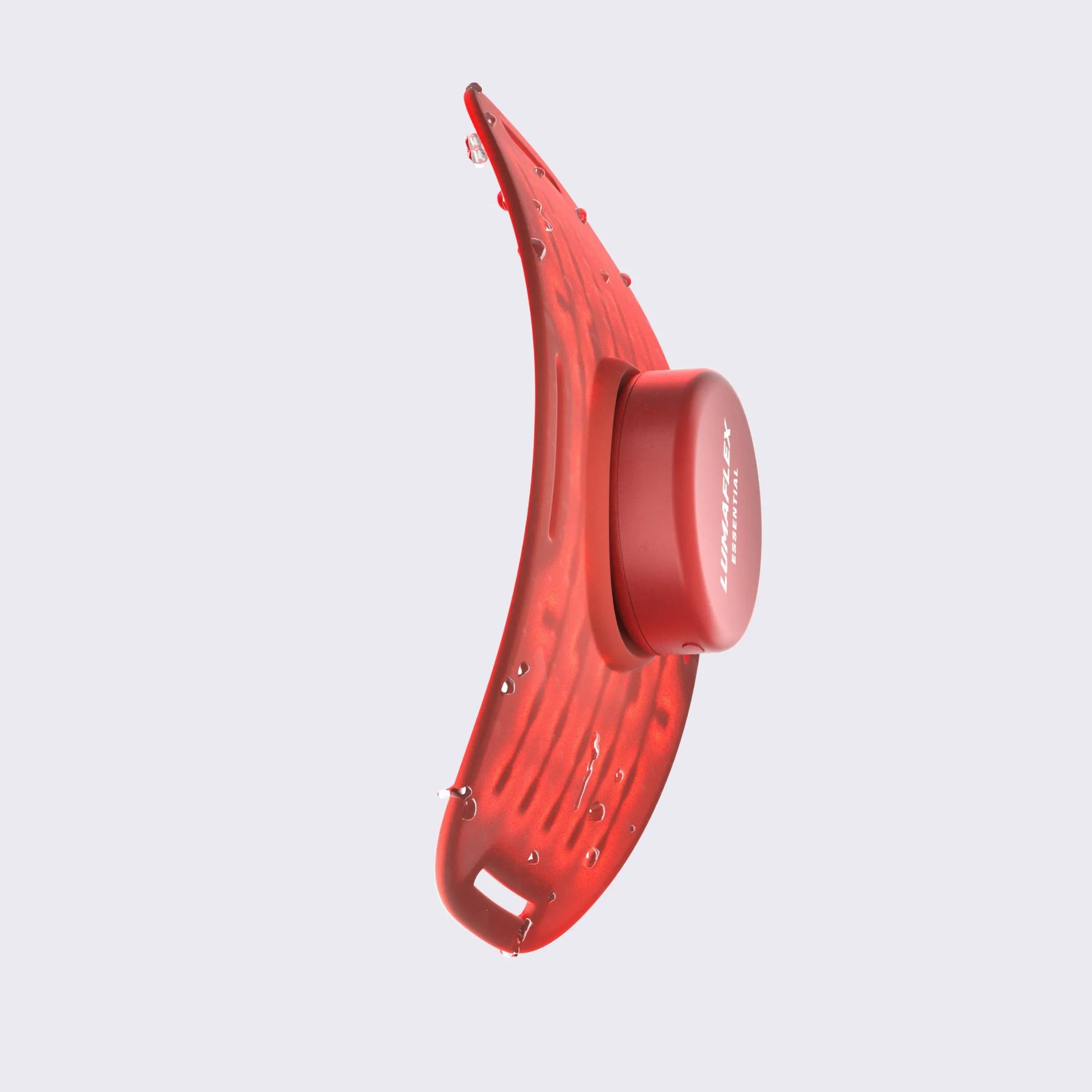
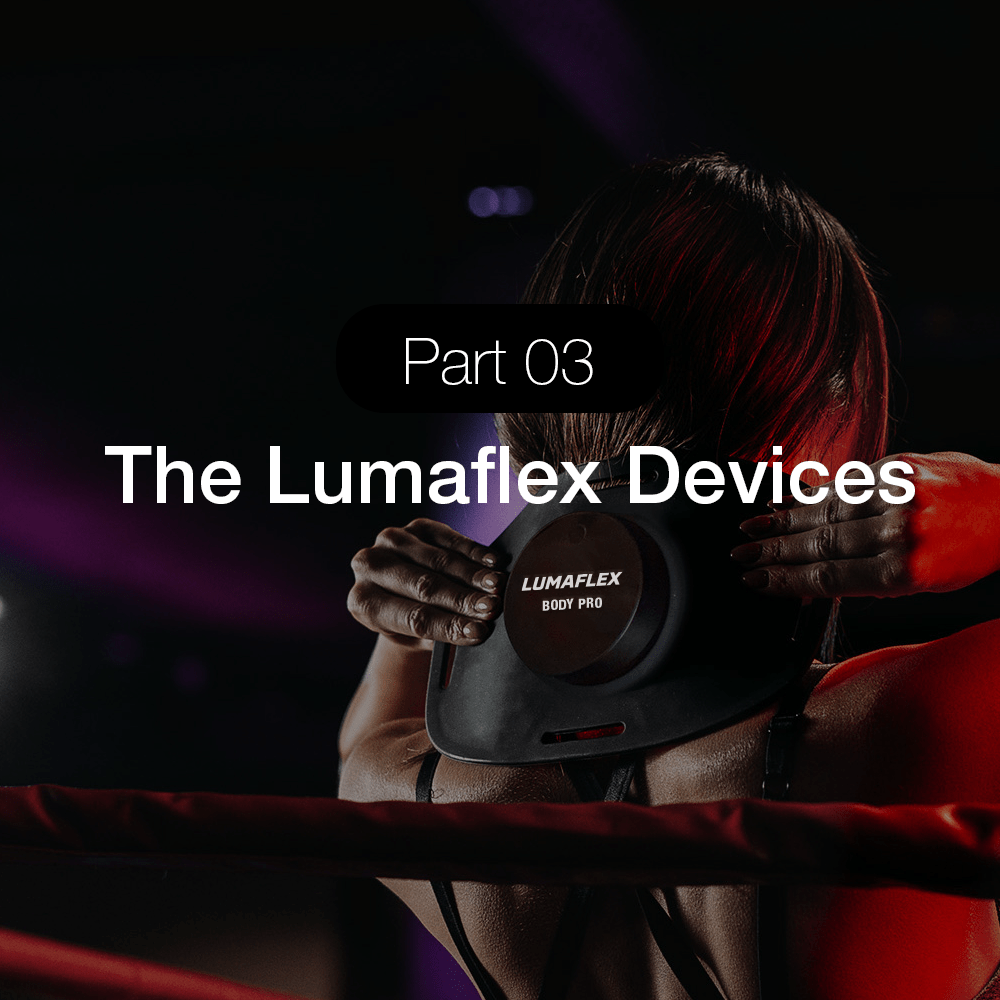
Building a consistent routine is one of the clearest patterns in the research on personal agency. For those looking to add a recovery and light therapy practice to that routine, two Lumaflex products are worth knowing about — both designed for people who want to understand what they're doing and why.
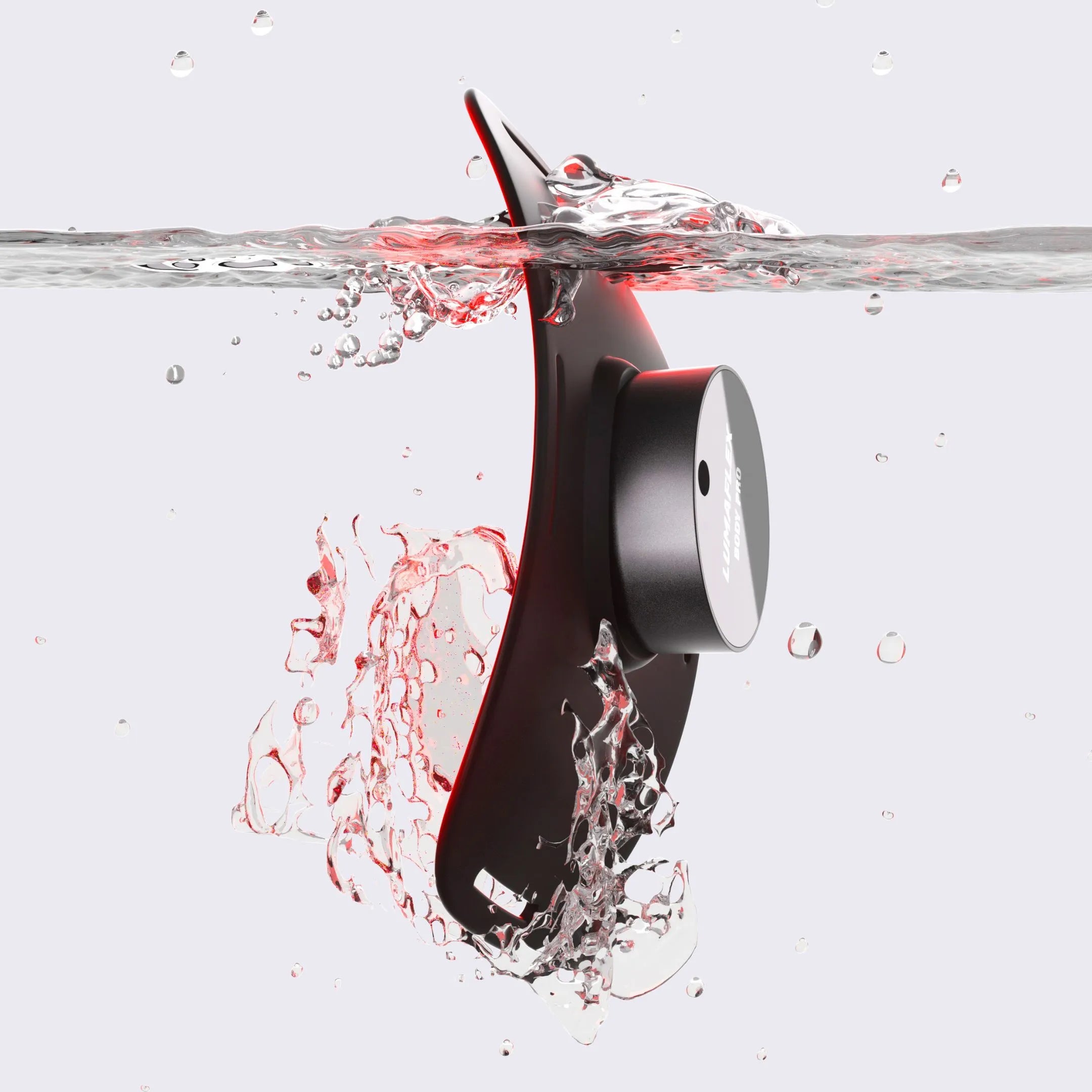
Lumaflex Body Pro
A portable device delivering targeted red and near-infrared wavelengths studied in photobiomodulation research. Designed to integrate into a daily recovery routine — not replace one.
Foundations Course
A structured programme pairing light therapy education with practical habit-building. For those who want a framework, not just a device. Neither is a shortcut.
Red light therapy is not a medical treatment and is not intended to diagnose, treat, cure, or prevent any condition. Consult a qualified healthcare provider for clinical concerns. Individual results vary.


References
Banks, S., & Dinges, D. F. (2007, August 15). Behavioral and physiological consequences of sleep restriction. https://pmc.ncbi.nlm.nih.gov/articles/PMC1978335/
Baumeister, R. F., Bratslavsky, E., Muraven, M., & Tice, D. M. (1998). Ego depletion: Is the active self a limited resource? Journal of Personality and Social Psychology, 74(5), 1252–1265. https://doi.org/10.1037/0022-3514.74.5.1252
Graybiel, A. M. (1998). The basal ganglia and chunking of action repertoires. Neurobiology of Learning and Memory, 70(1–2), 119–136. https://doi.org/10.1006/nlme.1998.3843
Hillman, C. H., Erickson, K. I., & Kramer, A. F. (2007). Be smart, exercise your heart: exercise effects on brain and cognition. Nature Reviews. Neuroscience, 9(1), 58–65. https://doi.org/10.1038/nrn2298
Kellmann, M., & Kallus, K. W. (2024). The Recovery-Stress questionnaires. https://doi.org/10.4324/9781032643380
Killgore, W. D. (2010). Effects of sleep deprivation on cognition. Progress in Brain Research, 185, 105–129. https://doi.org/10.1016/b978-0-444-53702-7.00007-5
Locke, E. A., & Latham, G. P. (2002). Building a practically useful theory of goal setting and task motivation: A 35-year odyssey. American Psychologist, 57(9), 705–717. https://doi.org/10.1037/0003-066x.57.9.705
Michie, S., Abraham, C., Whittington, C., McAteer, J., & Gupta, S. (2009). Effective techniques in healthy eating and physical activity interventions: A meta-regression. Health Psychology, 28(6), 690–701. https://doi.org/10.1037/a0016136
Ryan, R. M., Deci, E. L., & University of Rochester. (2000). Self-Determination Theory and the Facilitation of Intrinsic Motivation, Social Development, and Well-Being. In American Psychological Association, American Psychologist (Vols. 55–55, pp. 68–78). https://selfdeterminationtheory.org/SDT/documents/2000_RyanDeci_SDT.pdf
Thaler, R. H., & Sunstein, C. R. (2008). Nudge: Improving decisions about health, wealth, and happiness (p. 304) [Book]. https://www.economicsnetwork.ac.uk/iree/v8n1/hoyt.pdf
Walker, M. (n.d.). Why We Sleep: Unlocking the power of sleep and dreams [Book]. In Simon & Schuster. https://icrrd.com/public/media/16-05-2021-080425Why-We-Sleep-Unlocking-the-Power-of-Sleep.pdf
Woo, E., Sansing, L. H., Arnsten, A. F. T., & Datta, D. (2021). Chronic stress weakens connectivity in the prefrontal cortex: architectural and molecular changes. Chronic Stress, 5, 24705470211029254. https://doi.org/10.1177/24705470211029254
Walker, M. (n.d.). Why We Sleep: Unlocking the power of sleep and dreams [Book]. In Simon & Schuster. https://icrrd.com/public/media/16-05-2021-080425Why-We-Sleep-Unlocking-the-Power-of-Sleep.pdf
Wood, W., & Neal, D. T. (2007). A new look at habits and the habit-goal interface. Psychological Review, 114(4), 843–863. https://doi.org/10.1037/0033-295x.114.4.843
Yekta, A. H. A., Tabeii, F., Salehi, S., Sohrabi, M., Poursaeidesfahani, M., Hassabi, M., Hazegh, N., & Mahdaviani, B. (2021). Effect of Low-Level laser therapy on muscle strength and endurance and Post-Exercise recovery of young adult: a Double-Blind, Placebo-Controlled, randomized clinical trial. Annals of Applied Sport Science, 9(2), 0. https://doi.org/10.52547/aassjournal.912
Zaccaro, A., Piarulli, A., Laurino, M., Garbella, E., Menicucci, D., Neri, B., & Gemignani, A. (2018). How Breath-Control Can Change Your Life: A systematic review on Psycho-Physiological correlates of slow breathing. Frontiers in Human Neuroscience, 12, 353. https://doi.org/10.3389/fnhum.2018.00353