Red Light for Flu: What It Can (and Can’t) Do

Red Light for Flu: Can It Help With Recovery?
Red Light Therapy for Flu?
Red light therapy does not cure the flu. It supports the body’s recovery processes.
Influenza is a viral infection that triggers a powerful immune response. Fever, muscle aches, fatigue, congestion, and inflammation are signs that your body is actively fighting the virus.
Photobiomodulation, the clinical term for red light therapy, acts at the cellular level. It supports mitochondrial energy production, circulation, and inflammatory signaling. During influenza, many symptoms stem from the body’s inflammatory response rather than direct viral damage.
Its role is supportive: improving cellular energy, moderating inflammatory stress, and aiding tissue repair during recovery. Red light therapy belongs in the support category, not as a primary treatment for influenza.
- 1. Red Light for Flu: Can It Help With Recovery?
- 2. What Happens in the Body During the Flu
- 3. How Red Light Therapy Works in the Body
- 4. Can Red Light Therapy Kill the Flu Virus?
- 5. How Red Light Therapy May Support Flu Recovery
- 6. What Research Says About Red Light Therapy and Viral Illness
- 7. How to Use Red Light Therapy When You’re Sick
- 8. When You Should See a Doctor Instead
- 9. Is Red Light Therapy Helpful for the Flu?
- 10. Visual Section (Immune System Context)
- 11. Visual Mechanism: From Light Exposure to Cellular Support
- 12. Why This Matters During the Flu
- 13. Frequently Asked Questions
What Happens in the Body During the Flu
Influenza begins with viral invasion of the respiratory tract. The virus attaches to cells lining the nose, throat, and lungs, enters them, and replicates. Severe symptoms often reflect immune response intensity more than viral spread alone.
Once infected cells signal distress, the immune system activates rapidly. White blood cells mobilize. Chemical messengers called cytokines are released to coordinate defense. This cascade increases blood flow, recruits immune cells to infected tissue, and heightens systemic immune activity.
The result is a surge of inflammation throughout affected tissue.
Inflammation is protective, but it produces many of the symptoms people associate with the flu:
- Fever develops as the body raises internal temperature to slow viral replication and improve immune efficiency.
- Fatigue reflects the metabolic demand of sustained immune activation.
- Muscle aches and joint pain stem from circulating inflammatory mediators.
- Head pressure and sinus discomfort result from inflamed mucosal tissue.
- Chest tightness and coughing occur as respiratory tissue becomes irritated and swollen.

In moderate cases, inflammation subsides as the immune system clears the virus. In severe cases, excessive inflammatory signaling increases tissue stress and extends recovery time.
Most flu symptoms reflect the body’s inflammatory response rather than direct viral damage. Supporting recovery means managing inflammatory load while allowing the immune system to clear the virus.
This inflammatory foundation explains why therapies that target inflammation deserve attention.
How Red Light Therapy Works in the Body
Red light therapy works through a process called photobiomodulation. Specific wavelengths of red and near-infrared light penetrate tissue and interact with mitochondria, the structures responsible for cellular energy production.

ATP Production
Mitochondria produce adenosine triphosphate (ATP), the molecule that powers cellular activity. During illness, energy demand rises as oxidative stress intensifies. Red and near-infrared light exposure enhances mitochondrial efficiency, supporting ATP production and helping cells meet heightened metabolic demands.
Greater cellular energy availability supports immune coordination and tissue repair.
Reduced Oxidative Stress
Viral infections elevate reactive oxygen species, contributing to cellular stress and inflammatory signaling. Photobiomodulation influences antioxidant pathways, helping regulate oxidative balance inside cells. This shift reduces unnecessary cellular strain during recovery.
Modulation of Inflammatory Markers
Red light therapy does not suppress the immune system. It influences inflammatory signaling by modulating cytokine activity. Research in inflammatory models demonstrates measurable shifts in pro-inflammatory and anti-inflammatory markers after controlled red and near-infrared exposure.
During flu recovery, symptom intensity often reflects immune overactivation rather than viral burden alone.
Circulation Support
Light-induced vasodilation improves microcirculation. Improved blood flow enhances oxygen delivery, nutrient transport, and metabolic waste removal. During respiratory infections, efficient circulation supports tissue resilience and systemic recovery.
Tissue Repair Signaling
Photobiomodulation activates cellular pathways associated with repair and regeneration. In muscle tissue, it supports recovery from soreness. In epithelial and connective tissue, it helps maintain structural integrity after inflammatory stress.
The mechanism is cellular and supportive. Red light therapy does not target viruses directly. It influences energy production, inflammatory regulation, and tissue stability, all critical during systemic illness.
Can Red Light Therapy Kill the Flu Virus?
No.
Red light therapy does not kill the influenza virus.
Confusion often comes from mixing up different types of light therapy. Ultraviolet (UV) light, particularly UV-C, has germicidal properties. It can inactivate viruses and bacteria by damaging their genetic material. That is why UV systems are used for surface sterilization and air purification in controlled environments.

Red and near-infrared light operate in a completely different way.
They do not damage viral genetic material, sterilize tissue, or function as antiviral agents.
Instead, red light therapy interacts with human cells. It supports mitochondrial activity, influences inflammatory signaling, and improves circulation. The target is the host tissue, not the virus itself.
Influenza recovery depends on immune clearance of the virus. Red light therapy supports the body’s response to infection but does not eliminate viral particles or shorten illness through direct antiviral action.
Red light therapy is a supportive modality, not a germicidal treatment.
How Red Light Therapy May Support Flu Recovery
Red light therapy does not act on the influenza virus itself. Its role is to support the biological processes that shape symptom intensity and recovery.
Flu severity is largely driven by inflammation, immune signaling intensity, and tissue stress.
1. Reducing Inflammation
Many flu symptoms are driven by inflammatory mediators released during immune activation. Fever, body aches, sinus pressure, and general malaise reflect systemic inflammatory signaling.
Red and near-infrared light exposure has demonstrated anti-inflammatory effects and may help reduce inflammation naturally in multiple clinical contexts. It influences cytokine balance and reduces markers associated with excessive inflammatory response. The aim is immune regulation rather than suppression.
During flu recovery, balanced inflammatory signaling supports:
- Reduced muscle soreness
- Less tissue swelling
- Greater comfort during rest
- A lower overall inflammatory burden
Inflammation protects the body. Excess inflammation prolongs discomfort. Regulation allows the immune system to function without unnecessary collateral stress.
2. Supporting Immune Cell Function
Immune defense requires energy. White blood cells rely on mitochondrial function to coordinate signaling, migration, and pathogen clearance.
Photobiomodulation enhances mitochondrial efficiency and ATP production. Increased cellular energy availability supports immune cell performance during periods of high demand.
Experimental studies report that red light exposure influences immune signaling pathways and cellular communication. These findings support modulation rather than immune overstimulation, helping responses remain effective without unnecessary escalation.
This becomes especially relevant during flu-related fatigue, when systemic energy demand remains high.
3. Easing Muscle Aches
Muscle and joint pain are hallmark flu symptoms. Circulating inflammatory mediators sensitize nerve endings and increase tissue soreness throughout the body.
Red light therapy has established use in muscle recovery and musculoskeletal rehabilitation. It improves circulation, supports tissue oxygenation, and accelerates recovery in inflamed or strained tissue.
Applied during flu recovery, this mechanism supports:
- Reduced body aches
- Improved comfort during sleep
- Faster resolution of inflammatory soreness
This effect addresses symptom burden rather than viral presence, an important distinction for supportive care.
4. Supporting Respiratory Tissue Recovery
Influenza primarily affects respiratory epithelium. Inflammation within airway tissue contributes to coughing, chest tightness, and lingering irritation.
Experimental lung inflammation models show that photobiomodulation influences inflammatory regulation and tissue repair signaling. These findings indicate reduced inflammatory stress within respiratory tissue.
Red light therapy does not treat pneumonia or severe respiratory complications. It does not replace medical care. Its role is to support tissue resilience and recovery during mild to moderate inflammatory states.
Flu recovery is a systemic process. Red light therapy influences energy production, circulation, and inflammatory regulation, mechanisms that shape how the body restores balance after illness.
What Research Says About Red Light Therapy and Viral Illness
Direct clinical trials studying red light therapy specifically for influenza remain limited. Most of the evidence focuses on biological systems that shape recovery: inflammation, immune signaling, mitochondrial function, and respiratory tissue response.
That distinction matters. The research supports cellular effects, not antiviral action.
Inflammation Regulation
Across multiple inflammatory models, red and near-infrared light exposure has been associated with reductions in pro-inflammatory markers and improved tissue recovery indicators. These findings are relevant because many flu symptoms stem from immune-driven inflammation rather than direct viral damage.
Regulating excessive inflammatory signaling may improve comfort without suppressing immune defense.This is modulation, not elimination of the pathogen.
Immune Signaling and Mitochondrial Function
Photobiomodulation acts at the mitochondrial level, enhancing ATP production and influencing oxidative stress pathways. Immune cells rely heavily on mitochondrial energy during infection. Improved cellular energy availability supports coordination, signaling, and tissue repair during periods of high demand.
Experimental models show shifts in cytokine expression following controlled red and near-infrared exposure. The effect appears regulatory rather than stimulatory, supporting balanced immune response rather than immune amplification.
Respiratory Inflammation Models
Preclinical and early clinical studies examining lung inflammation suggest that photobiomodulation influences inflammatory signaling and tissue repair pathways in respiratory tissue.
These studies do not demonstrate viral eradication. They indicate effects on inflammatory balance and tissue recovery under stress.
Careful interpretation is essential. Viral infections can escalate rapidly, and supportive therapies do not replace clinical care for severe respiratory symptoms.
How to Use Red Light Therapy When You’re Sick
Illness places stress on the body. Supportive therapies must reduce burden, not add to it. During flu recovery, red light therapy sessions work best when they are short, gentle, and restorative.
Session Length
Keep sessions between 5–15 minutes per area. The goal is cellular support, not aggressive exposure. Shorter sessions reduce unnecessary metabolic strain during illness.
Consistency matters more than intensity.
Keep It Low-Stress
Flu recovery requires rest. Red light therapy works best when integrated into that rest period:
- Use the device while lying down
- Avoid standing positions that increase fatigue
- Prioritize comfort and warmth
Supportive care should feel calming rather than physically demanding.
Stay Hydrated
Hydration supports circulation and cellular function. Increased blood flow and metabolic activity require adequate fluid intake. Drink water before and after sessions to maintain balance.
Targeted Application Areas
During flu recovery, focus on areas experiencing the greatest inflammatory load:
- Chest to support anterior respiratory tissue
- Upper back to reach posterior lung fields
- Large muscle groups when body aches are prominent
- Full-body exposure for systemic fatigue and widespread soreness
Direct skin contact or close proximity improves light absorption.
Why Portable Devices Matter During Illness
Recovery often means staying in bed. Devices that require mounting, setup, or prolonged standing add unnecessary effort during recovery.
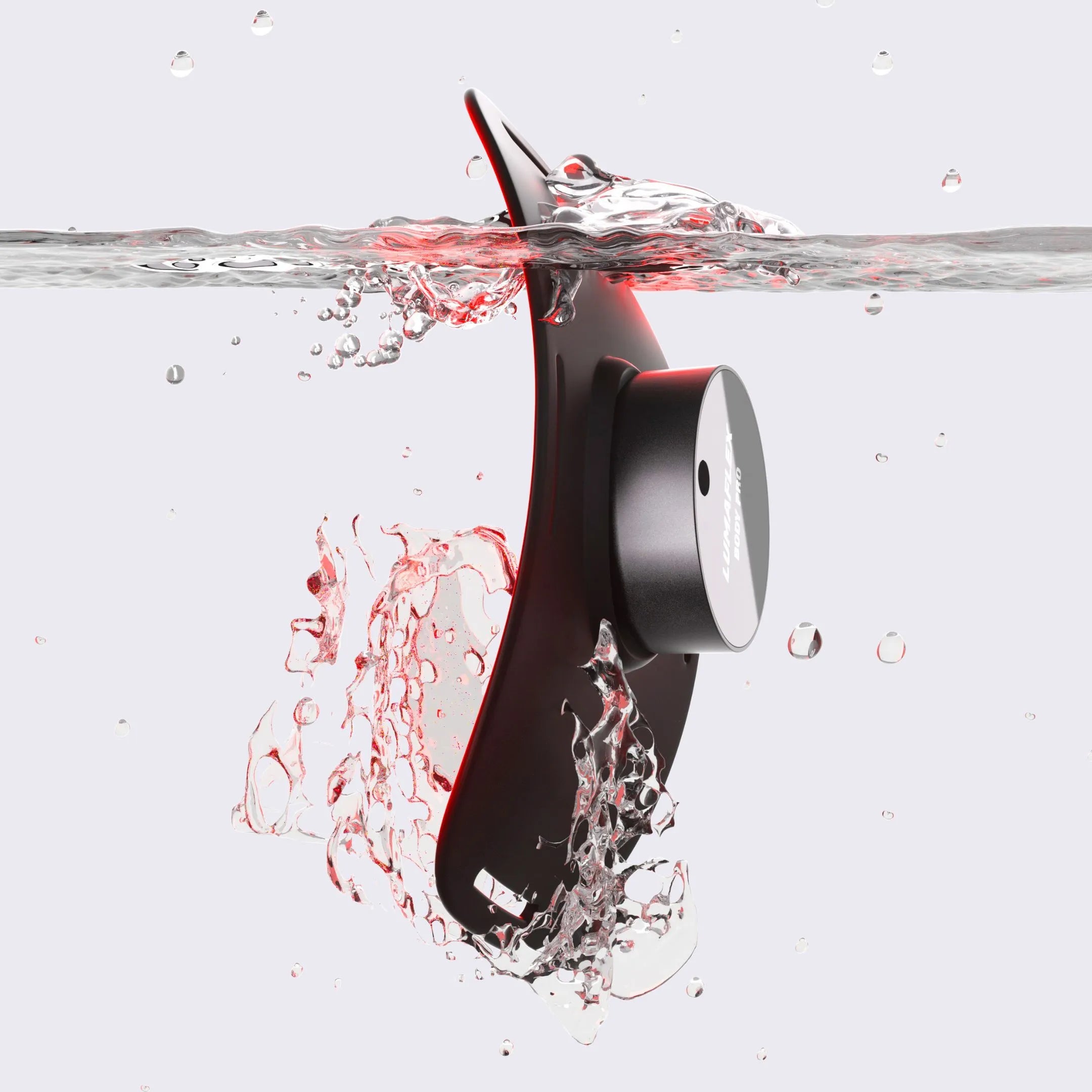
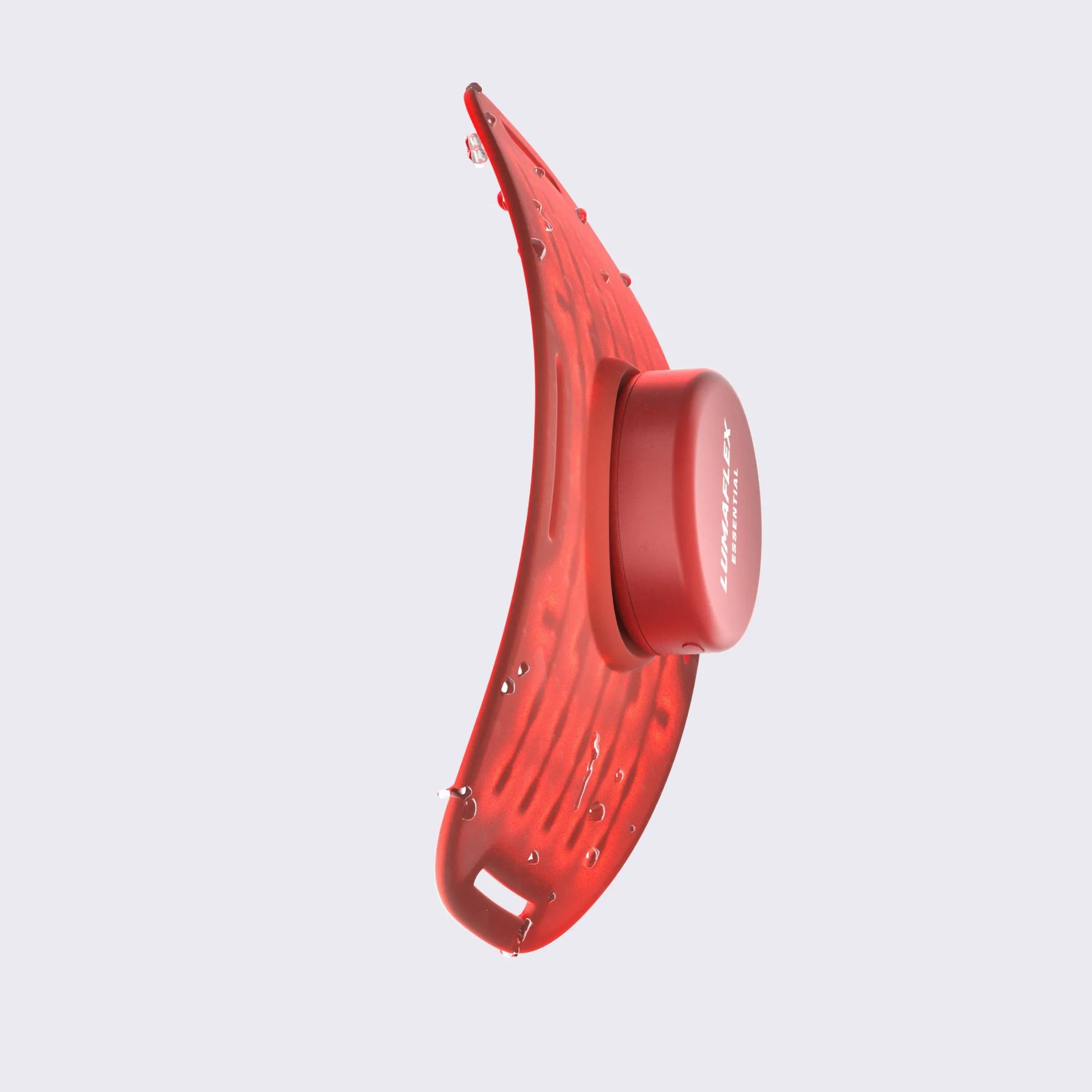
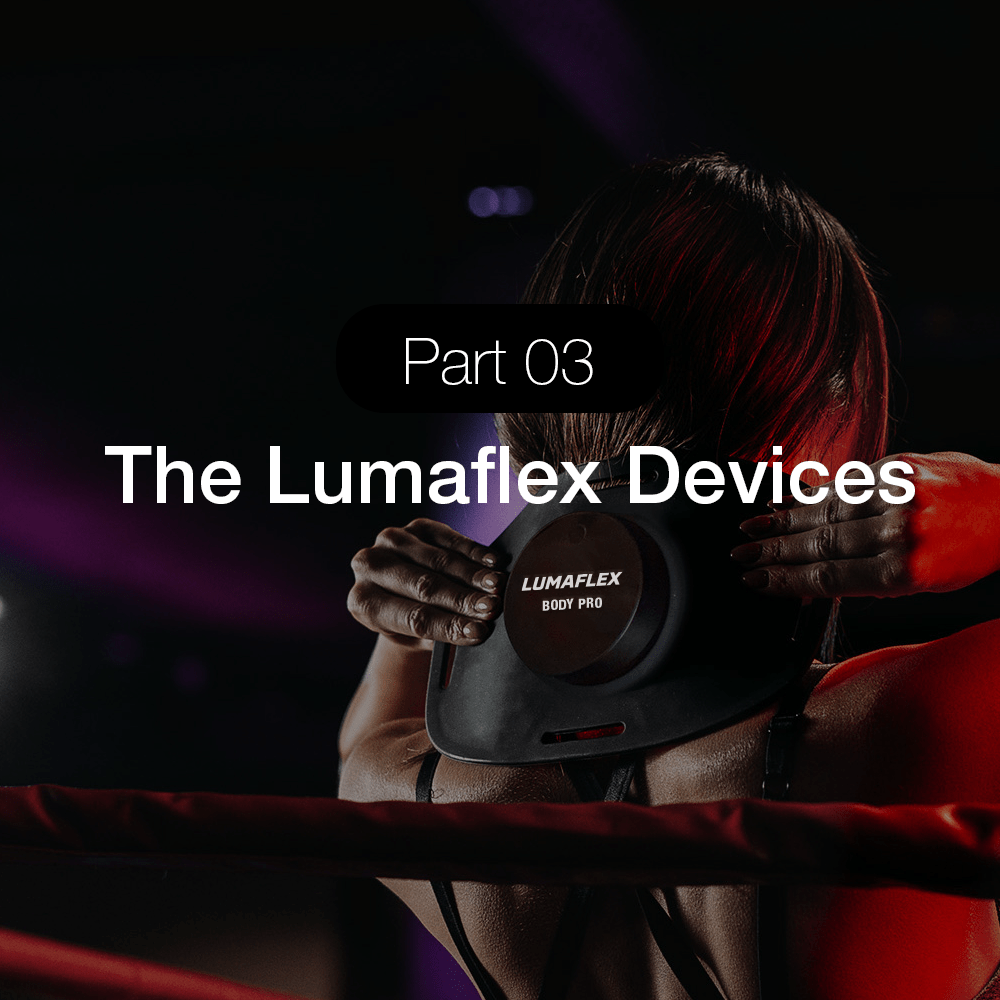
Portable systems such as Lumaflex are designed for low-effort use during recovery:
- Comfortable use while reclining
- Direct placement over the chest or upper back
- Minimal physical exertion
- Flexible positioning around inflamed or sore areas
Ease of use determines whether supportive therapy is consistently applied during illness.
Red light therapy complements rest, hydration, nutrition, and appropriate medical care.
It serves as a cellular support tool while the immune system completes viral clearance.
When You Should See a Doctor Instead
Supportive therapies have limits. Influenza can escalate quickly, particularly in vulnerable individuals. Medical evaluation takes priority over home recovery tools in specific situations.
Seek medical care immediately if you experience:
- High or persistent fever that does not respond to fever-reducing medication
- Difficulty breathing or shortness of breath
- Chest pain or pressure
- Severe weakness, confusion, or dizziness
- Bluish lips or face
These symptoms signal complications that require professional assessment.
Higher-Risk Groups Require Extra Caution
Certain populations face elevated risk of flu-related complications:
- Adults over 65
- Young children
- Pregnant individuals
- Individuals with asthma, heart disease, diabetes, or compromised immune function
Early medical intervention reduces complication risk in these groups. Red light therapy does not replace antiviral medication, oxygen therapy, or hospital-level care.
Responsible Use Matters
Red light therapy fits into a broader recovery strategy that includes rest, hydration, nutrition, and medical guidance when needed. It serves as a supportive modality for mild to moderate symptom management, not a substitute for clinical treatment.
Clear boundaries protect patient safety. When symptoms extend beyond typical flu discomfort, professional medical care becomes the priority.
Is Red Light Therapy Helpful for the Flu?
Red light therapy for flu recovery plays a supportive role, not a curative one.
Photobiomodulation does not kill the influenza virus. It does not replace antiviral medication. It does not prevent complications. Those boundaries remain clear.
It supports the biological processes that shape symptom intensity during illness. By regulating inflammation, supporting mitochondrial energy production, and promoting tissue recovery, red light therapy complements immune function without interfering with viral clearance.
For mild to moderate flu symptoms, this supportive effect supports:
- Reduced inflammatory discomfort
- Less pronounced muscle soreness
- Greater comfort during rest
- Improved cellular energy during fatigue
Medical care remains primary. Severe symptoms, high-risk individuals, and respiratory distress require professional evaluation.
Red light therapy fits into a broader recovery framework built on rest, hydration, nutrition, and appropriate medical guidance.
Lumaflex offers a portable red light therapy system designed to integrate seamlessly into periods of illness and downtime.
Visual Section (Immune System Context)
Understanding the immune system clarifies the role of red light therapy in flu recovery.
The immune response operates in two coordinated phases:
1. Innate Immunity (Immediate Response)
This is the body’s first line of defense. It activates within hours of infection.
Key features:
- Rapid inflammatory signaling
- Cytokine release
- Recruitment of macrophages and neutrophils
- Fever initiation
This phase produces most early flu symptoms.
Red light therapy may influence this stage by:
- Modulating inflammatory signaling
- Supporting cellular energy production
- Improving circulation in affected tissue
The objective is balanced inflammatory signaling rather than immune suppression.
2. Adaptive Immunity (Targeted Response)
This phase develops over days.
Key features:
- Activation of T and B lymphocytes
- Antibody production
- Targeted viral clearance
- Immunological memory formation
This stage is responsible for targeted viral clearance.
Red light therapy does not interfere with antibody production or viral targeting. Its role remains supportive at the cellular level, enhancing energy availability and reducing excessive inflammatory stress.

Visual Mechanism: From Light Exposure to Cellular Support
The core biological mechanism follows a defined sequence:
Light → Mitochondria → ATP → Cellular Function
When red and near-infrared photons reach tissue:
- Light energy is absorbed by mitochondrial chromophore
- ATP production increases
- Oxidative stress is regulated
- Inflammatory signaling pathways are modulated
- Cellular repair processes are activated
This cascade shapes cellular response during systemic stress, including viral illness.
- Red light does not destroy viral particles
- No sterilization of tissue occurs
- The therapy acts on host cells rather than pathgens
Why This Matters During the Flu
Flu symptoms reflect immune activation and inflammatory signaling more than direct viral damage.
Supporting cellular energy, circulation, and inflammatory balance improves comfort during recovery while the adaptive immune system clears the virus.
It may improve comfort and recovery trajectory while the adaptive immune system clears the virus.
This immune-centered perspective keeps expectations clear:
- Red light therapy supports the body’s response to illness.
- It does not function as an antiviral treatment.
Support Recovery With Lumaflex
Red light therapy can complement rest, hydration, and proper medical care by supporting cellular energy production and healthy inflammatory balance.
Lumaflex red light therapy devices are designed for comfortable use during rest, making it easy to apply targeted therapy while your body recovers.
Explore Lumaflex red light therapy devices and learn how they support recovery and inflammation management.
Frequently Asked Questions
Does red light therapy kill viruses?
No, it doesn’t.
Red and near-infrared light do not destroy viruses or sterilize tissue. That’s ultraviolet light in controlled environments, and it works very differently.
Red light therapy works on your cells, not on pathogens. It may influence energy production and inflammatory signaling, but it does not eliminate the influenza virus.
Is red light therapy safe when you have a fever?
It depends on how sick you are.
If the fever is low and you otherwise feel stable, short and gentle sessions are usually well tolerated. If your temperature is high, you feel faint, or symptoms are escalating, focus on medical care and rest first.
Supportive tools should never delay treatment when something feels off.
Can red light therapy shorten the flu?
There’s no evidence that it shortens the infection itself.
What it may do is help you feel better while your immune system does its job. Since many flu symptoms are driven by inflammation, regulating that response could improve comfort during recovery. That is very different from stopping the virus.
Should I use red light therapy on my chest when sick?
Many people place it over the chest or upper back because those areas are directly affected during respiratory infections.
Keep sessions brief and relaxed. You are supporting tissue recovery, not trying to heat or aggressively treat the lungs. If breathing becomes difficult or painful, that is a medical issue, not a home-device situation.
Is infrared light antiviral?
No. Near-infrared light used in red light therapy is not antiviral. It does not damage viral RNA or prevent replication.
It supports cellular processes in the body. That distinction matters.
Can red light therapy boost the immune system?
“Boost” is not really the right word.
The immune system does not need to be pushed harder during illness. It needs to function efficiently. Some research suggests red light therapy may help regulate immune signaling and support cellular energy production. That is about balance, not stimulation.