Red Light Therapy for Rotator Cuff: Why Swimmers Are Ditching Ice and Actually Recovering

Red Light Therapy for Rotator Cuff: The Swimmer's Recovery Edge
Red Light Therapy for Rotator Cuff. It starts as a dull ache after the third set of fly. Then it's there on the pull-through in freestyle. By the end of the week, your shoulder is talking to you between sessions and not in a good way.
Swimmer's shoulder is the most common overuse injury in the sport. When you're logging heavy yardage through summer training, your rotator cuff takes a beating from thousands of repetitive overhead movements every week. Most athletes default to rest, ice, and waiting it out. But there's a growing body of clinical evidence behind a different approach: red light therapy for rotator cuff recovery, also called photobiomodulation (PBM).
Serious athletes are using it to stay in the water, not sit on the sidelines.
This article breaks down what the research actually says, which wavelengths matter for shoulder injuries, and how to apply it practically to your training schedule.
- 1. Red Light Therapy for Rotator Cuff: The Swimmer's Recovery Edge
- 2. What Is Swimmer's Shoulder (and Why the Rotator Cuff Takes the Hit)
- 3. What Is Red Light Therapy (Photobiomodulation)?
- 4. What the Research Says About RLT for Rotator Cuff Injuries
- 5. Which Wavelengths Work Best for Rotator Cuff Recovery?
- 6. The Unexpected Edge: Using RLT In the Water
- 7. How to Use Red Light Therapy for Rotator Cuff Recovery
- 8. Frequently asked questions (FAQs)
- 9. References
What Is Swimmer's Shoulder (and Why the Rotator Cuff Takes the Hit)
"Swimmer's shoulder" isn't one specific injury. It's a catch-all for a cluster of overuse problems that develop in the shoulder complex from repetitive overhead loading in the water.

The Mechanics of Freestyle, Butterfly, and Overhead Strokes
Every freestyle stroke puts your shoulder through a full cycle of internal rotation, adduction, and extension repeated thousands of times per session. Butterfly compounds this with bilateral overhead loading on every stroke. Water polo players add explosive throwing mechanics on top of baseline swim volume.
The rotator cuff, a group of four muscles and their tendons (supraspinatus, infraspinatus, teres minor, and subscapularis) is responsible for stabilizing the humeral head in the shoulder socket throughout every one of those movements. When training volume is high and recovery is inadequate, the cumulative load on these tendons outpaces the body's ability to repair itself.
When Pain Becomes Injury: Bursitis, Tendinopathy, and Partial Tears
A 2025 study published in Wound Repair and Regeneration (Maiya et al.) describes the full spectrum of rotator cuff pathology: bursitis, tendinitis, tendinosis, and partial and full-thickness tears. Each condition sits on a continuum of overuse and tissue damage. Most swimmers dealing with summer shoulder pain are somewhere in the tendinopathy range, chronic tendon irritation that hasn't fully resolved.
What Is Red Light Therapy (Photobiomodulation)?
Red light therapy uses specific wavelengths of red and near-infrared light to stimulate cellular activity in targeted tissue. Unlike heat or ultrasound, the light energy is absorbed directly by cells, specifically by mitochondria, the energy-producing structures inside your cells.
The process is called photobiomodulation. When the right wavelengths reach the tissue, they trigger an increase in ATP production (your cells' primary energy currency), reduce oxidative stress, support collagen synthesis, and modulate inflammatory cytokines. In plain terms: cells get more energy to do their repair work, and the inflammatory response is brought under better control.
For a deep breakdown of the underlying mechanisms, Lumaflex's How Red Light Therapy Works page is a solid starting point.
How PBM Targets Tendons, Muscle Tissue, and Inflammation
Tendons are notoriously slow to heal because they have poor blood supply relative to muscle tissue. PBM addresses this partly by improving microcirculation and partly by directly stimulating the fibroblasts responsible for collagen production, the structural protein that makes up tendons.
In inflamed tissue, PBM has been shown to downregulate pro-inflammatory cytokines like IL-1β and TNF-α, while upregulating anti-inflammatory signaling. This is why researchers and clinicians are increasingly interested in it for tendinopathy and soft tissue shoulder injuries specifically.
What the Research Says About RLT for Rotator Cuff Injuries
Three studies are worth knowing in detail. They cover different aspects of the evidence: athlete-specific aquatic delivery, direct clinical comparison with ultrasound therapy, and the most recent data on combined PBM and exercise rehabilitation.
Study 1: Phototherapy Delivered In the Water - Athlete Evidence
A 2016 study by Troitskiy, Bitsoev, and Belykh, published in the Journal of New Medical Technologies, explored the delivery of polychromatic visible and infrared polarized light directly into water through a fiber-optic cable, a technique called underwater phototherapy.
The study involved 36 athletes ages 21–26 with sports injuries including bruises and hematomas. Underwater phototherapy was delivered for 7 minutes via fiber-optic cable, followed by a 10-minute pool session. The researchers found advantages in pain relief and observed a trend toward improved immune response at the humoral and cellular level. The mechanism proposed: light activation of water molecules produces an antioxidant effect at the cellular and molecular levels.
This is an early pilot study, and the researchers acknowledge further research is needed. But as a proof of concept, delivering phototherapy in an aquatic environment to active athletes it's directly relevant to swimmers looking for recovery tools that match their training environment. More on that below.
Study 2: 850nm LED Outperforms Ultrasound for Shoulder Tendinopathy
A 2022 clinical trial by Villaverde et al., published in Lasers in Medical Science, assessed 75 patients with rotator cuff tendinopathy across five treatment groups: therapeutic ultrasound, infrared LED (850nm), visible red LED (640nm), and two combination protocols.
Over 12 sessions across 4 weeks, researchers tracked 12 recovery parameters, including pain intensity (VAS), quality of life (HAQ), shoulder range of motion in all planes, muscle strength, and electromyography. Every group showed significant improvement. But the group receiving infrared LED combined with ultrasound (IR-US) outperformed ultrasound alone across all 12 parameters.
The protocol used 850nm infrared LED at 7.5J per point, applied at 3 points per session. That wavelength is within the therapeutic range of Lumaflex devices, and it's one of the reasons near-infrared is specifically emphasized for deeper shoulder structures.
This is a registered clinical trial (UTN U1111-1219-3594). You can explore more of the clinical evidence base on the Lumaflex clinical trials hub.
Study 3: PBM + Rehab Cuts Rotator Cuff Pain by 66% in 6 Weeks
The most recent data comes from a 2025 study by Maiya, Harihar, Joseph, and colleagues, published in Wound Repair and Regeneration. It's also the most clinically relevant for athletes combining PBM with active recovery.
The study demonstrated a statistically significant reduction in pain scores (NPRS) over 6 weeks of PBM combined with structured exercise rehabilitation. Baseline pain scores averaged 7.33 out of 10. After 6 weeks, that dropped to 2.50, a reduction of roughly 66% (p < 0.001).
The exercise protocol progressed from submaximal isometric work targeting the deltoid, biceps, triceps, and scapular stabilizers, through to full passive and active range-of-motion work and progressive rotator cuff strengthening. The authors concluded that PBM combined with exercise rehabilitation is supported by evidence, and that broader clinical adoption is warranted.
The takeaway for swimmers: you don't just rest and wait. You use PBM alongside your rehab work and come back stronger.

Which Wavelengths Work Best for Rotator Cuff Recovery?
Not all light wavelengths behave the same way in tissue. The depth of penetration, the cellular targets, and the therapeutic effects differ depending on the nanometer range. Lumaflex devices use multiple therapeutic wavelengths; here's how they map to rotator cuff recovery.
For a detailed breakdown of how frequency and wavelength affect tissue penetration, the Lumaflex Hz and wavelength guide goes deep on this.
640–660nm (Visible Red): Surface Tendon and Inflammation
Red light in the 640–660nm range penetrates to approximately 2–3mm below the skin surface. It's most effective at the superficial layers, ideal for addressing inflammation in the bursa, skin, and the most accessible portions of the shoulder tendons. The Villaverde study used 640nm in one of its treatment arms, confirming benefits in this range for shoulder tendinopathy.
850nm (Near-Infrared): Deep Joint, Tendon, and Muscle Penetration
This is the workhorse wavelength for rotator cuff injuries. Near-infrared light at 850nm penetrates significantly deeper than visible red, reaching through muscle tissue and into deeper joint and tendon structures. This is exactly the wavelength used in the IR-LED arm of the Villaverde 2022 clinical trial, which outperformed ultrasound for shoulder tendinopathy across all 12 parameters.
For shoulder injuries where the damage is at the tendon-bone interface or deep within the cuff musculature, 850nm is where the clinical evidence is strongest.
810nm+: Cellular Energy and Tissue Repair in Deep Shoulder Structures
Wavelengths in the 810nm+ range also reach deep tissue effectively and have been associated with mitochondrial stimulation and cellular repair signaling. For those interested in how different NIR wavelengths compare in terms of tissue depth and brain or deep-structure penetration, the Lumaflex 904nm vs. 1064nm wavelength comparison explores this further.
The Unexpected Edge: Using RLT In the Water
Most recovery tools have one major limitation for swimmers: they stop at the pool's edge.
Why Swimmers Need Recovery Tools That Work Poolside (or In the Pool)
Ice packs are impractical mid-session. Compression devices don't work in water. Traditional red light therapy panels are stationary, plugged into the wall, and nowhere near a pool deck. For athletes who spend 10–15+ hours per week in the water during summer peak season, that gap in recovery accessibility is real.
That's where the aquatic delivery research becomes relevant. The 2016 underwater phototherapy study by Troitskiy et al. demonstrated that delivering phototherapy in an aquatic environment, directly in the water, produced meaningful pain relief and immune response effects in athletes. The concept of water as a medium for phototherapy delivery, not a barrier to it, is what makes this relevant for swimmers.
The Lumaflex Body Pro: Built for Athletes, Built for Water
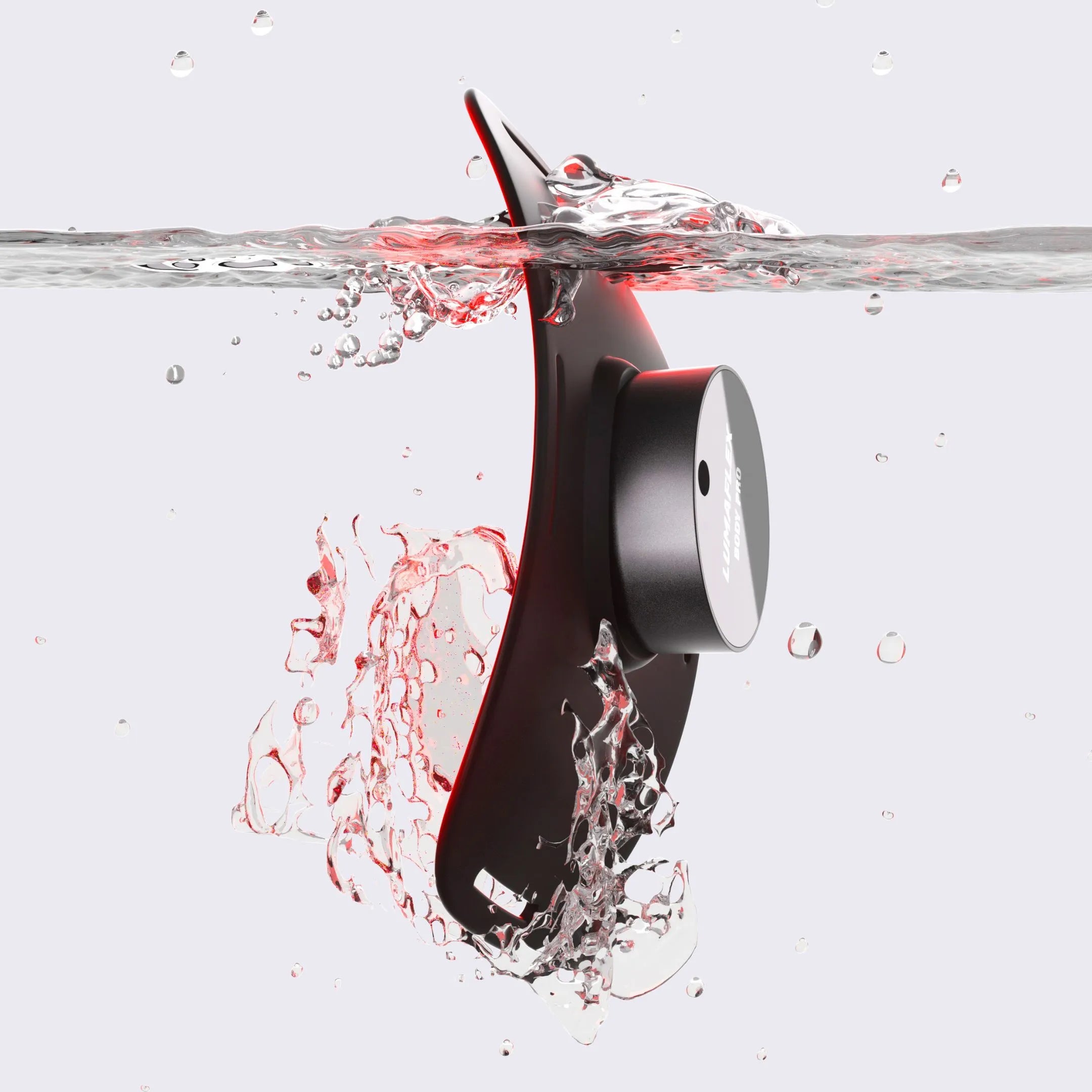
Most red light therapy devices stop at the pool's edge. The Lumaflex Body Pro doesn't.
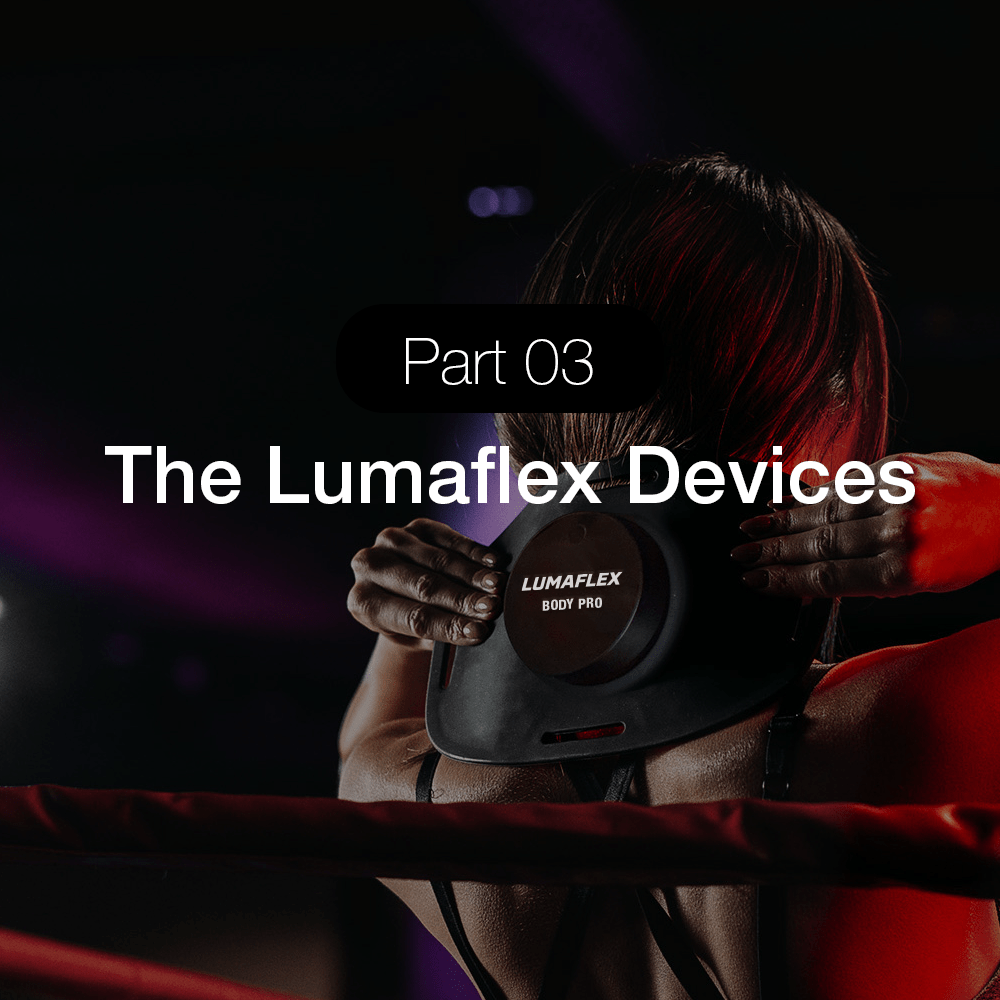
The Body Pro Kit is fully waterproof and designed to be worn or applied during activity — including in the pool. It's flexible, wearable, and built for the recovery environment that matters most to swimmers. That means you can apply targeted red and near-infrared light directly to the shoulder before or after sessions, on the pool deck, or in water — without interrupting your training rhythm.
The device covers Lumaflex's full range of therapeutic wavelengths, including the 850nm NIR range validated in the Villaverde rotator cuff clinical trial.
For athletes training at peak summer volume who need recovery to keep pace with workload, that kind of on-the-go accessibility isn't a gimmick. It's a genuine functional difference.

How to Use Red Light Therapy for Rotator Cuff Recovery
Here's how to apply it practically, based on the protocols used in the studies above and general clinical guidance for PBM use on shoulder injuries.
Medical note: Red light therapy is not a replacement for professional medical evaluation. If you suspect a rotator cuff tear or your pain is severe or worsening, see a qualified healthcare provider or physical therapist before starting any self-treatment protocol.

Where to Place the Device on the Shoulder
For rotator cuff tendinopathy and swimmer's shoulder, target three main zones:
- Posterior shoulder: Over the infraspinatus and teres minor, key external rotators stressed in freestyle recovery phase
- Lateral deltoid / greater tuberosity area: Where the supraspinatus tendon inserts, the most commonly impinged structure in swimmer's shoulder
- Anterior capsule / bicipital groove: For anterior shoulder pain and long head biceps tendon involvement common in overhead athletes
The Villaverde study applied light at 3 specific points per session using 7.5J per point. A similar approach, three targeted placements, 2–5 minutes each, maps well to the Body Pro's flexible design.
Session Length, Frequency, and Timing
Based on the clinical protocols in the reviewed studies:
- Session length: 4–12 minutes total treatment time, depending on the number of points treated
- Frequency: Daily or 5 sessions per week during acute phases; 3–4x per week for maintenance
- Duration: The Maiya 2025 study ran 6 weeks of combined PBM and rehabilitation before measuring significant outcomes
- Timing: Pre-session application may help warm up tissue and reduce pain during training. Post-session use supports recovery and inflammation management after load
Combining RLT With Shoulder Rehab Exercises
The Maiya 2025 study is clear on this point: PBM works best alongside structured exercise rehabilitation, not in place of it. The exercise progression used in the study moved from:
- Submaximal isometric work (deltoid, biceps, triceps, scapular stabilizers)
- Passive and active range-of-motion exercises
- Progressive rotator cuff strengthening
If you're working with a physio, ask about adding PBM to your existing protocol. If you're managing mild tendinopathy independently, the same progressive sequence, starting with isometrics and building toward loaded shoulder work, is a sound approach.
For other active-recovery contexts where PBM has shown similar benefits alongside movement, the Lumaflex red light therapy and yoga recovery article covers how this applies to flexibility and soreness reduction in a parallel population.
Can red light therapy heal a rotator cuff injury?
Red light therapy does not repair a torn rotator cuff on its own. What the research supports is that PBM, particularly in the 640–850nm range, can significantly reduce pain, improve range of motion, and support tissue recovery when used alongside structured rehabilitation. The Maiya 2025 study showed a 66% reduction in pain scores over 6 weeks using PBM combined with exercise rehab. For full-thickness tears, surgical evaluation remains necessary. Always consult a healthcare provider for a proper diagnosis.
How long does red light therapy take to work on a rotator cuff?
The Villaverde 2022 clinical trial saw significant improvements across 12 parameters in just 12 sessions over 4 weeks. The Maiya 2025 study tracked outcomes over 6 weeks. Most users notice some change in pain and mobility within 2–4 weeks of consistent use, though the timeline varies with injury severity and whether PBM is combined with active rehabilitation.
Is red light therapy good for swimmer's shoulder?
Yes, based on available evidence. Swimmer's shoulder typically involves rotator cuff tendinopathy and bursal inflammation — exactly the tissue types studied in both the Villaverde 2022 and Maiya 2025 trials. PBM's effects on reducing inflammatory cytokines and supporting tendon recovery are directly applicable to the overuse mechanism common in swimmers.
Is it safe to use red light therapy near water?
Standard red light therapy devices are not designed for aquatic use. The Lumaflex Body Pro is fully waterproof, making it suitable for poolside and in-water use. The concept of underwater phototherapy has been explored in sports medicine research (Troitskiy et al., 2016), where delivery of phototherapy directly in water showed advantages in pain relief and immune response in athletes.
What wavelength is best for tendons and muscle repair?
For deep rotator cuff tendons and muscle tissue, 850nm near-infrared has the strongest clinical backing — specifically validated in the Villaverde 2022 rotator cuff tendinopathy trial. Visible red light at 640–660nm is effective for more superficial inflammation. For comprehensive shoulder recovery, a device covering both ranges provides the broadest therapeutic benefit.
Your Shoulder Doesn't Have to End Your Summer
Peak swim season is short. Open water season, summer racing, the training blocks you've been building since January; they don't pause because your shoulder is irritated. And neither should your recovery.
The clinical evidence for PBM for rotator cuff recovery is real and growing. Three published studies, including a registered clinical trial and the most recent 2025 data on combined PBM and exercise rehab support its use for pain reduction, improved range of motion, and functional recovery. It works best as part of a structured approach, not as a standalone fix.
The Lumaflex Body Pro makes that approach practical for swimmers: waterproof, flexible, and built to go where the athlete goes.
Train hard. Recover smarter. The Lumaflex Body Pro was built for athletes who don't stop — waterproof, flexible, and FDA-cleared. Shop the Body Pro Kit
References
Maiya, G. A., Harihar, A., Joseph, G. M., et al. (2025). Effectiveness of photobiomodulation and exercise-based rehabilitation on pain and functional recovery in patients with rotator cuff pathology. Wound Repair and Regeneration, 33(3), e70043. https://doi.org/10.1111/wrr.70043
Troitskiy, A., Bitsoev, V., & Belykh, E. (2016). Underwater phototherapy in sports injuries. Journal of New Medical Technologies (eJournal), 10(1). https://doi.org/10.12737/18568
Villaverde, A. B., et al. (2022). Analysis of pain relief and functional recovery in patients with rotator cuff tendinopathy through therapeutic ultrasound and photobiomodulation therapy: A comparative study. Lasers in Medical Science, 37(8), 3155–3167. https://doi.org/10.1007/s10103-022-03584-2