Red Light Therapy for Insulin Resistance & Blood Sugar

Red Light Therapy for Insulin Resistance. Recent studies indicate that red light therapy can maintain or restore insulin sensitivity through effects on mitochondrial function and activation of metabolism-regulated signaling pathways controlling glucose uptake. Photobiomodulation (PBM) peaked the interest of researchers as it seems to activate the PI3K/AKT/GLUT4 pathway that is impaired in insulin resistance.
Further evidence is ongoing. So far, most of the literature available has been based on cell culture experiments, animal experimentation, and human metabolic studies. However, the results regarding the underlying mechanisms have become more consistently reproducible among different studies.
This is important because insulin resistance has become one of the most prevalent metabolic disorders in the world today. In fact, many individuals experience problems with their sugar metabolism long before they are actually diagnosed with type 2 diabetes.
Interventions aimed at lifestyle changes, such as exercise, nutrition, sleep, and stress reduction, continue to form the basis for increasing insulin sensitivity. However, red light therapy does not replace them. On the contrary, according to the existing research data, red light therapy can act as an adjunctive treatment.
To understand why researchers are exploring red light therapy for insulin resistance, it helps to first understand what breaks down metabolically in insulin-resistant tissue.
- 1. Does Red Light Therapy Help Insulin Resistance?
- 2. How Insulin Resistance Disrupts Glucose Metabolism
- 3. Mitochondrial Dysfunction and Insulin Resistance
- 4. How Red Light Therapy May Improve Insulin Signalling
- 5. Red Light Therapy, Inflammation, and Insulin Resistance
- 6. Why Skeletal Muscle and Fat Tissue Both Matter in Insulin Resistance
- 7. What Studies Show About Red Light Therapy for Insulin Resistance
- 8. Can Red Light Therapy Lower Blood Sugar?
- 9. Exercise and Red Light Therapy Activate the Same GLUT4 Pathway
- 10. What Red Light Therapy Cannot Do
- 11. How to Use Red Light Therapy for Insulin Resistance at Home
- 12. Who Might Benefit Most From Red Light Therapy for Insulin Resistance
- 13. Is Red Light Therapy Safe for People With Prediabetes or Type 2 Diabetes?
- 14. Does Red Light Therapy Help with Insulin Resistance?
- 15. Reference
Does Red Light Therapy Help Insulin Resistance?
As indicated by early studies, red light treatment could increase the sensitivity to insulin by improving mitochondrial function and triggering PI3K/AKT/GLUT4 signaling pathway, which facilitates glucose entry into cells.
In tissues that show resistance to insulin, there is reduced sensitivity to insulin action. This leads to the prolonged presence of glucose in the blood, resulting in higher amounts of insulin being secreted by the pancreas.
Photobiomodulation appears to target several of the same mechanisms involved in this dysfunction, including:
- impaired mitochondrial energy production
- reduced AKT signaling
- defective GLUT4 translocation
- chronic low-grade inflammation
- oxidative stress within muscle and adipose tissue
Most studies are based on cell studies and animals at present, although human studies have shown promising results so far. At present, red light therapy is not regarded as a conventional medical treatment method for insulin resistance and type 2 diabetes mellitus; however, the scientific basis for using this method has been well explained.
How Insulin Resistance Disrupts Glucose Metabolism

Insulin resistance isn't about too little insulin. It's about cells that stop listening to it.
In a healthy cell, the process works more or less like this: insulin binds up to its receptor sitting on the cell surface, and that activates a protein named IRS-1. Then it sets off a chain of events through PI3K and AKT, two pretty key signalling proteins, which in turn make glucose transporter type 4 , usually called GLUT4, shift over to the cell membrane and basically allow glucose to enter. The entire run through happens in seconds, not minutes.
GLUT4→cell membrane→glucose uptake
In insulin resistance, the whole cascade kind of breaks down. Most times, because of ongoing inflammation , extra intracellular fat , or mitochondrial dysfunction, the IRS-1/PI3K/AKT path way becomes sluggish or basically blocked. GLUT4 doesn’t really get to the membrane and it doesn’t translocate the way it should. So blood glucose stays high, like persistently. Then the pancreas keeps pushing out more insulin in order to compensate , and after a while that extra effort fails as well, more and more.
The significance of this is that red-light therapy addresses mitochondria and the AKT pathway. It’s not abstract; it works on exactly the points at which insulin resistance fails.
Mitochondrial Dysfunction and Insulin Resistance
The mitochondria are essential organelles in the process of glucose metabolism since they provide the ATP needed by the cells to metabolize and use energy effectively.
Insulin resistance can be associated with dysfunctional mitochondria in the tissue. In this case, muscle and fat cells may be unable to produce enough ATP and experience increased levels of oxidative stress.
Photobiomodulation works primarily through the absorption of red and near-infrared light by cytochrome c oxidase (CcO), an enzyme within the mitochondrial electron transport chain.
In the case of CcO photostimulation, mitochondrial respiratory activity will be elevated along with ATP synthesis, leading to ROS formation. ROS signaling, at controlled concentrations, can be helpful in triggering cellular maintenance and metabolic adaptation rather than being detrimental.
It has been suggested that this activation of the mitochondria could assist the insulin resistance cells in obtaining the energy needed for proper insulin signaling and glucose metabolism..
How Red Light Therapy May Improve Insulin Signalling
This is where the science gets genuinely interesting, and where most coverage of this topic falls short.
1. Mitochondrial photoactivation
Red and near infrared light is absorbed by cytochrome c oxidase (CcO), a sort of enzyme located in the mitochondrial electron transport chain. When CcO catches those photons, it speeds up the creation of ATP, and it also causes a carefully limited leakage of reactive oxygen species, you know ROS. That ROS signal really isn’t dangerous at those amounts; it acts more like a cellular messenger, sort of a bio signal that then nudges along a later repair and signaling chain.
In insulin-resistant cells, mitochondrial function is already impaired. Restoring mitochondrial output through CcO activation essentially gives those cells the energy capacity they need to respond properly to insulin again.
2. AKT/PI3K pathway restoration
A 2021 study published in Aging (Gong et al.) looked at diabetic mouse models and found that photobiomodulation therapy reduced blood glucose and insulin resistance specifically by activating CcO-mediated AKT signalling in skeletal muscle. This is the same PI3K/AKT pathway that's broken in insulin resistance — not a parallel or adjacent pathway, but the core one.
A 2025 in vitro study by Zafari et al., published in In Vitro Cellular and Developmental Biology, confirmed a similar effect in adipocytes (fat cells) cultured in high-glucose conditions. PBMT activated the PI3K/AKT/IRS signalling cascade in these insulin-resistant fat cells, improving glucose metabolism. The researchers also identified FOXO1, GFAT-2, and PTP1B as additional modulatory targets — proteins that fine-tune insulin sensitivity and are themselves dysregulated in metabolic disease.

3. GLUT4 translocation
One of the major downstream actions of AKT activation is GLUT4 translocation.
GLUT4 is the main glucose transporter that works in muscle cells. GLUT4 translocation to the membrane occurs due to proper functioning of insulin signaling pathway. This results in glucose entry inside the cell.
AKT→GLUT4↑→glucose uptake
In insulin resistance, this transport process becomes impaired. Glucose remains in the bloodstream longer than it should, and the pancreas compensates by producing more insulin.
Gong et al., in their research published in the journal Aging, reported that PBM therapy promoted the increase in the translocation of GLUT4 and glycogen synthesis in the muscles of diabetic mice. According to another study conducted in 2024 using two wavelength combination on insulin-resistant muscle cells, a dose-dependent increase in AKT phosphorylation was noted, with optimal effects seen at 4 J/cm².
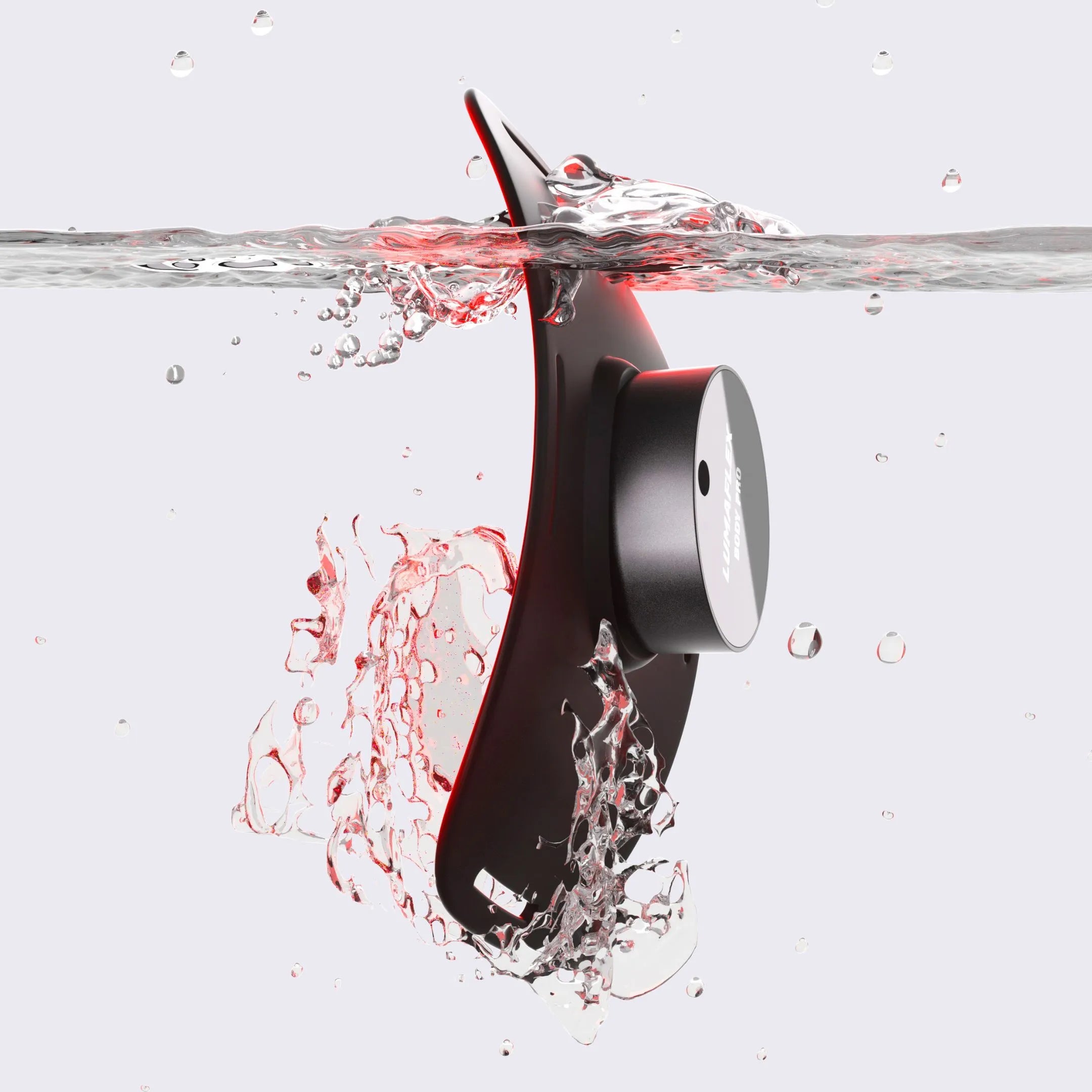
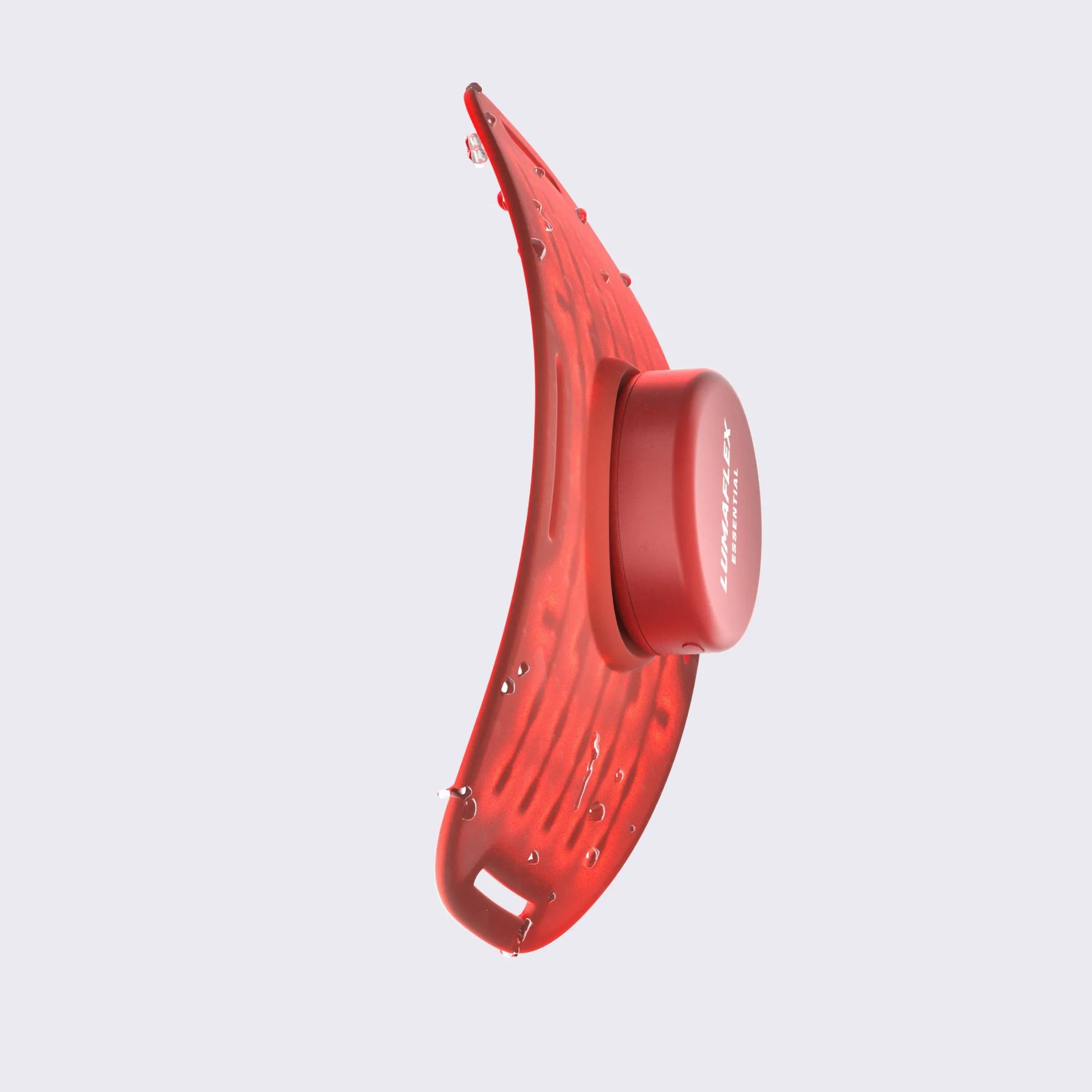
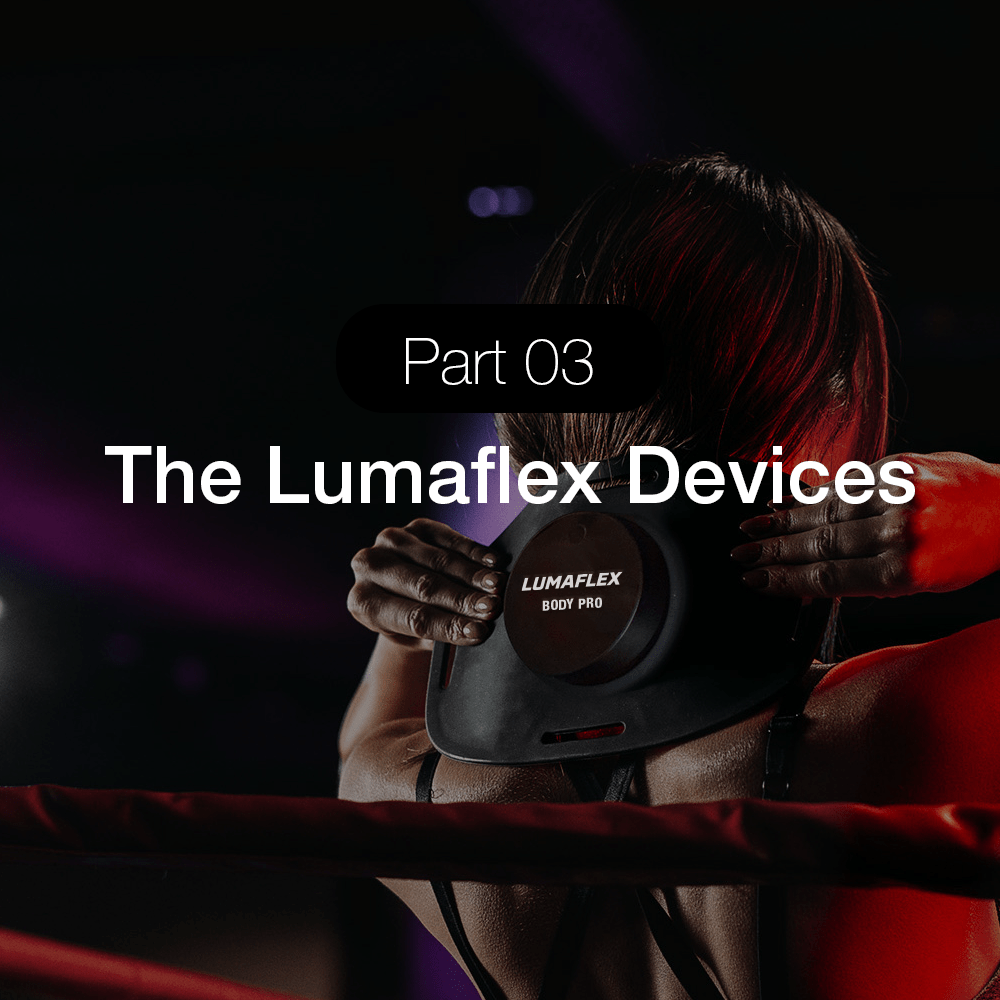
Notably, this dual-wavelength combination is the same red and near-infrared pairing used in Lumaflex devices.
Red Light Therapy, Inflammation, and Insulin Resistance
Chronic low-grade inflammation is one of the major drivers of insulin resistance.
Abnormal fat tissue, particularly visceral fat, secretes inflammatory cytokines like TNF-α and IL-6, which disrupt insulin signaling and AKT pathway activation. Prolonged exposure to this inflammatory milieu leads to poor glucose control in other parts of the body.
Photobiomodulation has been studied extensively for its anti-inflammatory effects. Research suggests red and near-infrared light may help regulate inflammatory signaling pathways, reduce oxidative stress, and improve mitochondrial resilience in metabolically stressed tissue.
While inflammation reduction alone does not reverse insulin resistance, it may help support the broader cellular environment required for healthy glucose metabolism and insulin responsiveness.
Why Skeletal Muscle and Fat Tissue Both Matter in Insulin Resistance
The insulin resistance does not occur equally in all tissues. Overall skeletal muscle explains approximately 80% of insulin-stimulated glucose disposal, making it the largest and most metabolically important tissue. Still, the true starting point for systemic insulin resistance appears to be the adipose tissue Most of all visceral adipose tissue. Dysfunctional adipocytes br. leak free fatty acids and pro-inflammatory cytokines impairing insulin signaling all downstream.
The Gong et al. 2021 study addressed the skeletal muscle side. The Zafari 2025 study addressed adipocytes. Together, they show that photobiomodulation acts on both primary tissues involved in insulin resistance, through the same core AKT/GLUT4 mechanism.
This dual-tissue picture is something most coverage of this topic completely overlooks. Treating muscle glucose uptake in isolation misses the adipose dysfunction that drives the condition; treating fat cells alone doesn't address where most glucose disposal actually happens.

What Studies Show About Red Light Therapy for Insulin Resistance
The evidence base here is real, but it's worth being clear about what each study type can and can't tell us.
Cell studies (mechanistic signal):
- Zafari et al. 2025: PBMT activates PI3K/AKT/IRS signalling in insulin-resistant adipocytes in vitro. Strong mechanistic finding, but cell cultures aren't people.
- Gong et al. 2021: PBMT promotes GLUT4 translocation and glycogen synthesis in insulin-resistant muscle cells and diabetic mouse models.
- Dual-wavelength study (2024): AKT phosphorylation improved dose-dependently in insulin-resistant myotubes at 4 J/cm².
Animal studies: There have been several animal studies using the high fat diet and streptozotocin-induced diabetic mice that have shown improvement in blood glucose levels and insulin resistance after PBMT treatment. These studies are two steps away from human results but are nonetheless valuable in their own right.
Human-adjacent data: According to one study involving healthy individuals, an exposure of 15 min to 670 nm light was associated with decreased levels of plasma glucose by 27.7% during the next two hours and with lowering of the glycaemic peak level by 7.5%. These results are the most relevant to a human result; however, the studied subjects had no insulin resistance or diabetes type 2.
A 2025 randomized controlled trial in Nutrients (De Nardi et al.) demonstrated an acute increase in resting energy expenditure by PBM among obese women when compared to healthy weight control subjects. Thus, there is scientific support for the notion that PBMT affects metabolism in patients with insulin dysregulation.
The honest summary: the cellular mechanism is clearly established and consistent across independent labs. Animal evidence is solid. Human RCTs in insulin-resistant populations are still underway. This is promising, mechanistically grounded science — not yet a clinical standard of care..
Can Red Light Therapy Lower Blood Sugar?
This is certainly one of the most significant motivating factors for initiating studies on the effects of photobiomodulation and metabolism. The question about whether red light therapy could make a practical difference to blood glucose concentrations outside the confines of the Petri dish needs answering.
The short answer is: possibly, but the evidence is still early.
Most of the human data obtained so far is very interesting from a study performed using a 670 nm red light exposure in healthy volunteers. a one off minute session induced a 27. 7% reduction in post-prandial plasma glucose after 2 hours and lower glycaemic peak.
This is quite an achievement, even more so since the treatment was not invasive and did not require much time either. However, it should be noted that the experiment was conducted on healthy subjects, not those with any form of insulin resistance, prediabetes, or type 2 diabetes.
But the results are consistent with what is occurring mechanistically in muscle and adipose tissue. With PBM improving mitochondrial function, AKT signaling, and GLUT4 translocation, postprandial glucose utilization is biologically plausible.
This doesn't mean that red light therapy is a substitute for exercise, medicine, or diet. Neither does it mean that a significant drop in blood glucose is to be expected in 2 or 3 sessions at home.
The more realistic interpretation is that red light therapy may support the systems involved in glucose regulation, particularly when combined with the interventions already known to improve insulin sensitivity.
For people tracking fasting glucose, continuous glucose monitor data, or HOMA-IR trends, that distinction matters.
Exercise and Red Light Therapy Activate the Same GLUT4 Pathway
Both exercise and photobiomodulation use the AKT/GLUT4 signaling pathway; exercise uses mechanical means through muscular contraction, while photobiomodulation uses photochemical means by activating CcO. When both are used together, you are using the same signaling pathway that sensitizes to insulin from different access points.
Meta-analyses of HOMA-IR values (a reliable indicator of insulin resistance) revealed that a combination of physical exercise and light therapy was more effective in reducing HOMA-IR values than physical exercise alone.
The practical implication: use your red light device before or after exercise sessions. Applied to the major muscle groups you've just worked, it may amplify the insulin-sensitising benefit of the training session rather than simply adding a separate metabolic stimulus.
This framing matters for how people should think about RLT in a metabolic health context. It's not a replacement for physical activity — exercise is irreplaceable in glucose metabolism. But as a complement to a consistent training habit, especially for someone working on reversing prediabetes or improving HOMA-IR, it's a scientifically coherent addition.
What Red Light Therapy Cannot Do
Red light therapy is not a cure for insulin resistance, prediabetes, or type 2 diabetes.
Current evidence suggests photobiomodulation may support some of the cellular processes involved in glucose metabolism, but it does not replace:
- exercise
- nutrition
- sleep
- stress management
- prescribed medication
- medical supervision
Exercise continues to be among the most well-substantiated interventions that can enhance insulin sensitivity, given the direct impact of muscle contraction on glucose metabolism.
In contrast, red light therapy seems to be more promising as an adjunctive approach compared to a sole metabolic intervention. It is anticipated that optimal results may be achieved by combining photobiomodulation with lifestyle approaches known to improve insulin sensitivity.
How to Use Red Light Therapy for Insulin Resistance at Home
Most coverage of red light therapy for metabolic health skips the practical specifics entirely. Here's what the evidence actually supports.
Best Wavelengths for Glucose Metabolism and Insulin Sensitivity
- 630–660 nm (red): Penetrates superficially, optimised for adipocyte and skin-level metabolic tissue. Relevant for the adipose insulin resistance mechanism.
- 850 nm (near-infrared): Penetrates deeper into skeletal muscle, reaching the mitochondria in high-GLUT4-density tissue. The Gong et al. muscle findings are most relevant here.
- Dual wavelength (660 + 850 nm): Validated in the 2024 cell study as the combination that produced optimal AKT phosphorylation improvements. This is what Lumaflex devices deliver.
Where to Place Red Light Therapy for Metabolic Health
| Target Tissue | Placement Area | Why It Matters |
| Visceral adipose tissue | Abdomen | Central site of metabolic dysfunction and inflammatory adipose activity |
| Skeletal muscle | Thighs / quadriceps | Major site of GLUT4-mediated glucose disposal |
| Large muscle groups | Glutes / hamstrings | High metabolic demand and insulin-sensitive tissue |
When to Use Red Light Therapy for Blood Sugar Support
- 10–15 minutes per area
- Daily or five sessions per week
- Before or after exercise sessions to compound the AKT/GLUT4 effect
- Morning sessions align with natural cortisol and insulin rhythms
How Often Should You Use Red Light Therapy?
The 2024 dual-wavelength study found 4 J/cm² to be the optimal energy dose — improvements were dose-dependent but plateaued or diminished at 8 J/cm². Lumaflex devices are calibrated within this range.
Medical note: Insulin, metformin, and all other medications used to lower blood sugar should not be altered due to home monitoring. In the event that one uses a home monitoring device for blood sugar and observes changes, he/she should notify his/her physician.
Who Might Benefit Most From Red Light Therapy for Insulin Resistance
Red light therapy for insulin resistance is most relevant for:
- Adults with prediabetes or confirmed insulin resistance who are already managing metabolic health through nutrition, exercise, sleep optimization, and other lifestyle interventions.
- People with obesity, particularly visceral fat distribution, where adipose tissue dysfunction is the primary driver of systemic IR. The Zafari 2025 adipocyte data is most directly applicable here.
- Women with PMOS (formerly called PCOS) , for whom insulin resistance is a core feature, not just a comorbidity. RLT's effect on adipocyte insulin signalling may be particularly relevant.
- People combining RLT with a regular exercise programme who want to compound the AKT/GLUT4 activation effect.
People using insulin or glucose-lowering medications should use photobiomodulation cautiously and under medical supervision. If insulin sensitivity changes, medication requirements may also change.
Is Red Light Therapy Safe for People With Prediabetes or Type 2 Diabetes?
Red light therapy seems to be relatively well-tolerated by most individuals when administered properly. What is more important from this perspective is glucose regulation rather than the question of safety itself.
If photobiomodulation causes any improvement in insulin sensitivity or glucose utilization, it can influence the effectiveness of medications designed to decrease blood sugar levels.
That matters most for:
- insulin users
- people taking sulfonylureas
- individuals using multiple glucose-lowering medications
- anyone prone to hypoglycaemia
There is currently no information available indicating any risks associated with red light therapy among patients with pre-diabetes or type 2 diabetes. However, preliminary scientific studies show a completely opposite trend. Nonetheless, this is still an innovative field within metabolism medicine rather than diabetes therapy.
In order to be safe, one should use PBM therapy complementarily and not substitute any prescribed medications, diets, physical activities, or medical consultations with it.
When monitoring blood sugar levels, CGM readings, or blood sugar levels after meals and observing a pattern from using red light therapy, discuss this information with your healthcare professional instead of changing your medication doses.
This aspect becomes even more crucial when metabolic abnormalities become more serious. This is quite different from an individual who has been living with type 2 diabetes for some time and on treatment with insulin.
The underlying biology may overlap. The clinical considerations do not.
Does red light therapy help with insulin resistance?
Current evidence suggests that red light therapy stimulates the PI3 K/AKT signalling pathway and GLUT4 translocation, the impaired pathways caused in insulin resistance. Cell culture and animal studies indicate that markers for insulin sensitivity improve in response to light exposure. RCT in humans with insulin resistance are limited, so it should be claimed as a successful, mechanistically-based adjunct for IR rather than an established treatment.
What wavelength is best for blood sugar?
Dual-wavelength exposure combining 660 nm (red) and 850 nm (near-infrared) has shown the strongest results in cell studies, with 660 nm reaching adipose tissue and 850 nm penetrating into skeletal muscle where most glucose disposal occurs.
How long does it take for red light therapy to affect blood glucose?
The 670 nm human study measured post-prandial glucose decreases 2 hours after a single, 15-minute application. For a more prolonged effect on insulin sensitivity as referenced in animal studies, effects are thought to be additive over a continuous multi-week period of multiple applications. No definitive human RCT structure has been established for applications in IR populations, Still.
Can I use red light therapy if I have type 2 diabetes?
Potentially, but consult your doctor first — especially if you're on glucose-lowering medications. Red light therapy may influence blood glucose in ways that affect your medication requirements. Self-management with a device is not a substitute for medical management of diagnosed T2DM.
Does red light therapy replace exercise for insulin resistance?
No. Exercise is the most evidence-backed intervention for insulin sensitivity, and nothing in the photobiomodulation research suggests otherwise. RLT appears to work on the same AKT/GLUT4 pathway and may amplify the effects of exercise — not replace them.
Is red light therapy safe if I take metformin?
Metformin and red light therapy work through different mechanisms and there's no known interaction. However, if red light therapy improves insulin sensitivity and your glucose levels shift, your prescribing doctor should know. Monitoring is the sensible approach.
Does Red Light Therapy Help with Insulin Resistance?
Insulin resistance can be defined as an anomaly with the body’s ability to manage glucose levels, which occurs on a cellular level, and from the evidence obtained from studies conducted on red light therapy, the approach appears to directly address this issue.
The science is at an early but genuinely compelling stage. Cell studies are mechanistically clear. Animal data is consistent. The first human signals are appearing. What's missing are large-scale RCTs in insulin-resistant populations — and those are coming.
For now, red light therapy is best used as part of a metabolic health strategy that includes a low glycemic diet, regular exercise, sufficient rest, and any necessary medical intervention. It does not provide a shortcut or miracle cure for anything, but it certainly has a scientific basis when used as an addition to a program of metabolic wellness.
If you've been using a Lumaflex device for muscle recovery or pain, you may already be stimulating some of these metabolic pathways without realising it. That's worth knowing — and worth building on deliberately.
Reference
De Nardi, M., Allemano, S., Buratti, M., Conti, E., Filipas, L., Gotti, D., Luzi, L., & Codella, R. (2025). Photobiomodulation Acutely Augments Resting Metabolism in Women with Obesity. Nutrients, 17(21), 3357. https://doi.org/10.3390/nu17213357
Furuzono, S., Kubota, T., Taura, J., Konishi, M., Naito, A., Tsutsui, M., Karasawa, H., Kubota, N., & Kadowaki, T. (2021). A xanthene derivative, DS20060511, attenuates glucose intolerance by inducing skeletal muscle-specific GLUT4 translocation in mice. Communications Biology, 4(1), 994. https://doi.org/10.1038/s42003-021-02491-6
Gong, L., Zou, Z., Huang, L., Guo, S., & Xing, D. (2019). Photobiomodulation therapy decreases free fatty acid generation and release in adipocytes to ameliorate insulin resistance in type 2 diabetes. Cellular Signalling, 67, 109491. https://doi.org/10.1016/j.cellsig.2019.109491
Gong, L., Zou, Z., Liu, L., Guo, S., & Xing, D. (2021). Photobiomodulation therapy ameliorates hyperglycemia and insulin resistance by activating cytochrome c oxidase-mediated protein kinase B in muscle. Aging, 13(7), 10015–10033. https://doi.org/10.18632/aging.202760
Jere, S. W., Houreld, N. N., & Abrahamse, H. (2022). Photobiomodulation activates the PI3K/AKT pathway in diabetic fibroblast cells in vitro. Journal of Photochemistry and Photobiology B Biology, 237, 112590. https://doi.org/10.1016/j.jphotobiol.2022.112590
Zafari, J., Sadeghi, H., Abbasinia, H., Najjar, N., Jamali, S., & Jouni, F. J. (2025). Photobiomodulation therapy: a promising treatment for insulin resistance in type 2 diabetes. In Vitro Cellular & Developmental Biology - Animal, 61(6), 703–711. https://doi.org/10.1007/s11626-025-01051-0
Zhan, S., Wang, J., Zhu, M., Liu, Y., Han, F., Sun, L., Wang, Q., & Huang, Z. (2025). The Inhibitory Effects of NCT503 and Exogenous Serine on High-Selenium Induced Insulin Resistance in Mice. Nutrients, 17(2), 311. https://doi.org/10.3390/nu17020311