Red Light Therapy Safety, Dosage & Best Practices: A Practical Guide to Frequency and Session Length
Red light therapy is generally considered safe when used within established parameters, with decades of clinical research supporting its use across skin health, pain management, and recovery applications. The key factor that determines results is not whether it is safe, but how it is dosed in practice—specifically how often sessions are done, how long each exposure lasts, and whether the routine matches the user’s goal.
Most inconsistencies in results come from improper dosing rather than device limitations, either through underuse or unnecessary overuse that leads to diminishing returns. Understanding the right frequency and session duration is therefore essential for both beginners and experienced users.
This guide breaks down practical, evidence-informed protocols for daily use, weekly routines, and special cases such as seniors, pregnancy considerations, and post-surgical recovery.
For the biological mechanisms behind these effects, see our guide on photobiomodulation and the science behind red light therapy.
- Is Red Light Therapy Safe?
- Can You Overdo Red Light Therapy?
- How Often Should You Use Red Light Therapy?
- How Long Should Each Session Be?
- Best Practices for Red Light Therapy Protocols
- Is Red Light Therapy Safe for Seniors?
- Is Red Light Therapy Safe During Pregnancy or Postpartum?
- Red Light Therapy After Surgery: When Can You Start?
- How to Build a Safe Red Light Therapy Routine
- Frequently Asked Questions
- Frequently asked questions (FAQs)
- Safe Use Comes Down to Dose, Not Intensity
- References
Is Red Light Therapy Safe?
Red light therapy is considered safe when used within standard exposure guidelines. It uses non-ionizing red and near-infrared light, meaning it does not damage DNA, does not cause burns at therapeutic intensities, and does not carry the risks associated with UV radiation. Clinical research and regulatory clearances support its use across skin health, pain management, and recovery applications.
Side effects, when they occur, are typically mild and temporary, such as brief redness or warmth.
What makes it generally safe
Red light therapy is safe because it operates within a non-ionising light spectrum and does not rely on heat or chemical interaction to produce biological effects. Instead, it triggers photobiomodulation processes at the cellular level.
Extensive research and numerous peer-reviewed studies support the safety profile of photobiomodulation when used within recommended parameters. In addition, many red light therapy devices have received FDA 510(k) clearance for specific intended uses, indicating substantial equivalence to legally marketed devices. Reported side effects are uncommon and are generally mild and temporary.
Common misconceptions about risks
Several concerns about red light therapy stem from confusion with other forms of light exposure, particularly UV radiation and heat-based treatments. In reality, red and near-infrared light work through photobiomodulation and operate very differently from tanning beds or laser procedures.
Common misconceptions include:
- "Red light therapy damages DNA." Therapeutic red and near-infrared light are non-ionising wavelengths and do not carry the DNA-damaging properties associated with ultraviolet (UV) radiation.
- "It can burn the skin like a heat lamp." Most red light therapy devices operate at intensities that produce little to no heat. Mild warmth may occur during treatment, but burns are not expected when devices are used as directed.
- "More exposure always produces better results." Red light therapy follows a biphasic dose response, meaning benefits increase only up to an optimal range. Excessive exposure generally leads to diminishing returns rather than enhanced outcomes.
- "It's basically the same as tanning." Tanning primarily results from UV exposure stimulating melanin production. Red light therapy uses different wavelengths and mechanisms and does not tan the skin.
Understanding these distinctions helps set realistic expectations and explains why appropriate dosing and proper device use matter more than concerns about inherent safety risks.
Can You Overdo Red Light Therapy?
Red light therapy is not harmful in the traditional sense of “overdose,” but it can become less effective when used beyond an optimal dose range. This is because photobiomodulation follows a biphasic dose response: biological benefits increase up to a point, then plateau, and may decline with excessive exposure.
Red light therapy overuse does not typically cause injury. Instead, it reduces efficiency of cellular response, meaning additional light no longer produces added benefit.
What overuse actually means
Overuse refers to exceeding the optimal light dose for a given tissue, not causing physical damage. At this point, cells are no longer responding more strongly to additional exposure.
Red light therapy works by stimulating mitochondrial activity. Once that response is maximized for a session, further exposure does not increase ATP production or repair signalling. The result is diminishing returns rather than harm.
Signs of excessive use
Overuse typically shows up as reduced responsiveness rather than harm. Common signs include:
- Plateau in results despite consistent or increased use
- Mild skin warmth that lasts longer than expected
- Temporary redness persisting beyond normal post-session window
These indicators usually suggest adjusting session length or frequency.
Biphasic dose response in plain terms
Red light therapy follows a biphasic (U-shaped) dose curve. Low exposure produces limited biological response, moderate exposure produces optimal benefit, and excessive exposure reduces responsiveness (Hurry et al, 2022).
This is similar to exercise: a controlled workout improves adaptation, but excessive volume without recovery can reduce performance gains. The goal is consistent, moderate dosing rather than maximal exposure.

How Often Should You Use Red Light Therapy?
Red light therapy frequency depends on the goal, the user’s experience level, and device intensity. In most evidence-based protocols, benefits are achieved through consistent use rather than high-frequency or high-volume exposure, with typical ranges spanning from a few sessions per week to daily application.
The key principle is dosing consistency: results are driven more by sustained exposure over time than by intensity spikes or irregular usage patterns.
Daily use vs weekly use
Daily red light therapy is commonly used in research and clinical protocols for skin health, pain relief, and recovery support. When session duration is kept within recommended limits, reviews reveal that daily use is generally considered safe and may improve cumulative outcomes over time .
- Daily use (5–7 sessions per week): commonly used for recovery, skin health, and ongoing pain management
- Moderate use (3–5 sessions per week): typical in most published protocols and practical home routines
- Maintenance use (2–3 sessions per week): used after initial improvements have been established or for long-term upkeep
Lower frequency schedules can still be effective, particularly when the goal is maintenance rather than active recovery or corrective change.
Beginners vs experienced users
New users respond best to lower initial dosing to allow biological adaptation. Starting conservatively reduces variability in response and helps identify optimal sensitivity.
- Beginners: 3–4 sessions per week for the first 2–4 weeks, using shorter session durations per area
- Intermediate users: 4–6 sessions per week with moderate session lengths once tolerance and response are established
- Experienced users: daily or near-daily use, adjusting frequency based on goal (performance, recovery, or maintenance)
Progression is typically based on observed response rather than fixed escalation schedules.
Device intensity considerations
Frequency cannot be separated from device output. Higher irradiance devices deliver more energy per minute, which often reduces the need for longer or more frequent sessions.
Low-output systems may require longer or slightly more frequent exposure to achieve comparable dosing, while higher-output devices reach effective thresholds more quickly.
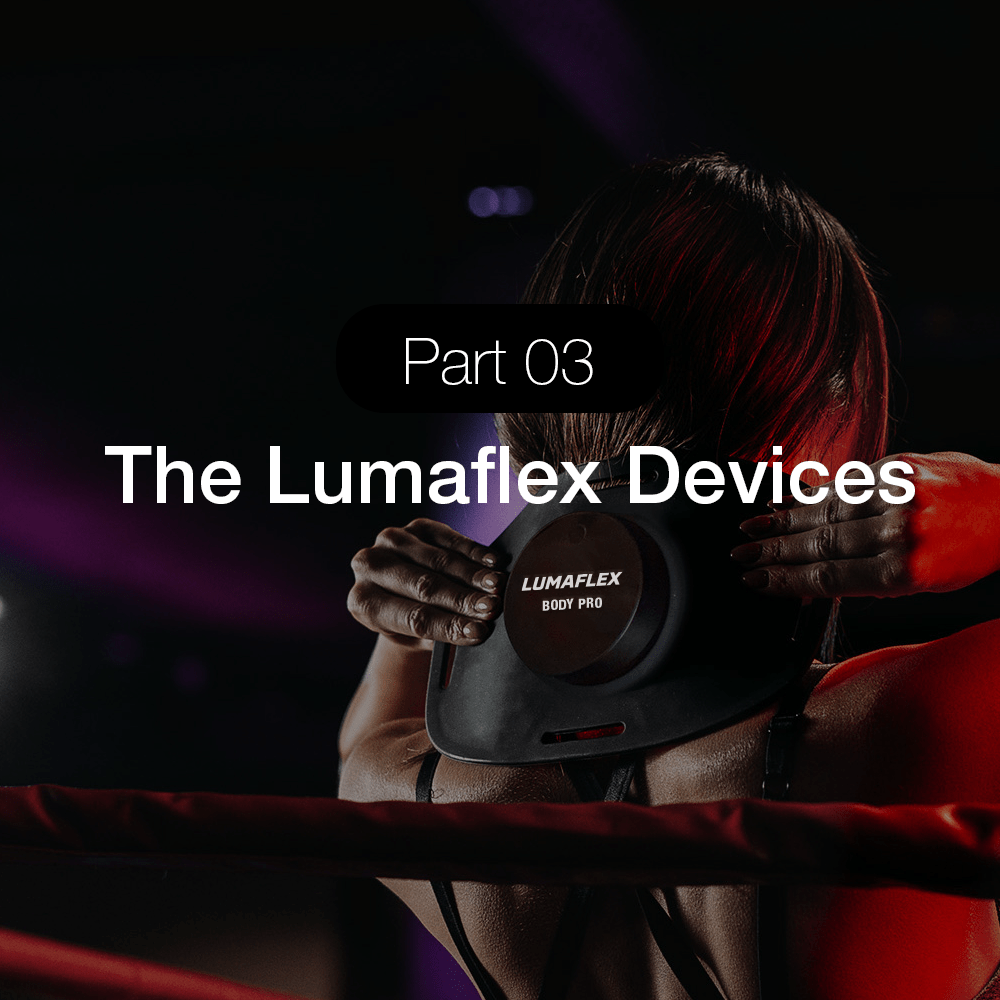
Portable and targeted systems such as Lumaflex are typically used in shorter, localized sessions, whereas full-body panels often involve longer exposure windows per session. Manufacturer guidance should always be treated as the baseline, with adjustments made based on individual response and goals.
| User Type | Recommended Frequency | Session Length |
| Beginner | 3 to 4 sessions/week | 5 to 10 minutes per area |
| Intermediate | 5 to 6 sessions/week | 10 to 20 minutes per area |
| Experienced / Active | Daily | 10 to 20 minutes per area |
| Maintenance | 2 to 3 sessions/week | 10 to 15 minutes per area |
How Long Should Each Session Be?
Red light therapy session length is primarily determined by treatment area, device intensity, and desired outcome. Most effective protocols fall within a 5 to 20 minute exposure window per target area, with differences driven by tissue depth and irradiance rather than a fixed universal duration.
The key principle is dose delivery: each session should provide enough energy to stimulate a biological response without exceeding the point of diminishing returns.

Face vs body treatment times
Facial skin responds well to shorter exposure times due to thinner tissue layers and higher sensitivity to light absorption in the epidermis and dermis.
- Face: 5–10 minutes per area is typically sufficient for skin-related outcomes such as tone, texture, and collagen support
- Body (muscles, joints, larger areas): 10–20 minutes per area is more common due to deeper tissue targets and higher energy requirements
Shorter, consistent sessions tend to outperform prolonged exposure in both cosmetic and recovery-focused applications.
Low vs high intensity devices
Session duration must be adjusted based on device output. Irradiance (power density) determines how quickly a therapeutic dose is delivered.
- Low-intensity devices: may require longer sessions to reach an effective dose threshold
- High-intensity devices: achieve therapeutic exposure in shorter time windows
- Clinical-grade systems: often deliver sufficient dose in fewer minutes due to higher irradiance output
Because of this, a 5-minute session on a high-output device may produce similar biological effects to a 15-minute session on a lower-output panel. Device specifications should always guide baseline timing.
General safe duration guidelines
Most users fall within a 5–20 minute per area range, which aligns with common research protocols and practical at-home use.
- 5–10 minutes: facial and superficial skin applications
- 10–20 minutes: muscles, joints, and deeper tissue targets
- Multi-area sessions: move between regions rather than extending exposure on a single point
Extending beyond 20 minutes per area does not typically increase benefit, as tissue response reaches a saturation point where additional light exposure yields diminishing returns rather than enhanced outcomes.
Best Practices for Red Light Therapy Protocols
Red light therapy outcomes are primarily determined by consistency of use and appropriate dosing, rather than precise timing windows or short-term intensity increases. Most protocols in the literature emphasize sustained application over weeks to months, where cumulative exposure drives measurable biological change.
Timing can influence convenience and specific use-case outcomes, but it is secondary to maintaining a repeatable routine within effective dose ranges.
Morning vs evening use
Red light therapy can be used either in the morning or evening, with no strong clinical requirement favoring one over the other. The choice is typically based on lifestyle and intended effect.
- Morning use: may support alertness, tissue priming before physical activity, and general readiness for exercise
- Evening use: may support post-activity recovery, muscle relaxation, and reduction of inflammation following daily strain
Across studies, the most consistent determinant of outcomes is regularity of application rather than time-of-day effects.
Pre-workout vs post-workout timing
Red light therapy is commonly applied around exercise in two distinct contexts, each supported by different outcome goals as proved by recent research reviews (Wiercioch et al., 2026).
- Pre-workout application: may reduce fatigue onset, improve muscular efficiency, and decrease exercise-induced damage when applied to target muscle groups before training
- Post-workout application: is associated with reduced delayed-onset muscle soreness (DOMS), improved recovery markers, and accelerated tissue repair processes
Many users combine both approaches, applying short sessions before and after training depending on workload and recovery needs.
Consistency vs intensity trade-offs
Long-term outcomes are more strongly correlated with consistent moderate use than with short periods of intensive application.
A steady schedule (for example, several sessions per week over multiple months) produces more reliable cumulative effects than daily high-volume use followed by discontinuation. This reflects the way photobiomodulation influences cellular processes gradually over time rather than through acute single-session changes.
Establishing a fixed routine—anchored to daily habits such as workouts, skincare, or evening recovery—tends to produce the most sustainable results and reduces variability in user outcomes.
Is Red Light Therapy Safe for Seniors?
Red light therapy is generally considered safe for older adults when used within standard exposure guidelines. It is already used in clinical and rehabilitation environments for age-related concerns such as joint discomfort, reduced mobility, slower wound healing, and skin changes associated with reduced collagen production.
Older tissue can still respond to photobiomodulation effectively, particularly when dosing is consistent and adjusted appropriately for sensitivity and medication use.
Benefits for older adults
Age-related biological changes, particularly in skin and musculoskeletal tissue, can make older adults relevant candidates for red light therapy protocols. Reduced collagen production, slower cellular repair, and increased inflammatory sensitivity are common factors that influence outcomes.
- Supports skin regeneration and collagen-related processes
- Commonly used in joint and mobility-related discomfort
- Applied in rehabilitation settings for muscle recovery and tissue repair
- May support wound healing processes in age-related skin fragility
Response tends to depend more on consistency of use than intensity of exposure.
Adjustments needed for sensitivity
Older adults may require more conservative starting parameters, particularly when introducing light-based therapies for the first time or when medications influence light sensitivity.
- Start with shorter sessions (approximately 5–8 minutes per area)
- Begin with lower frequency (around 3 sessions per week)
- Increase exposure gradually based on observed tolerance and response
- Monitor skin response, especially in the first 2–3 weeks of use
This approach helps establish tolerance while maintaining effective stimulation ranges.
Safety considerations for seniors
Red light therapy is generally well tolerated, but specific precautions apply depending on medical history and device use.
- Avoid direct application over implanted electronic devices (e.g., pacemakers)
- Exercise caution if using photosensitising medications
- Consult a physician for active skin conditions or complex medical profiles
- Avoid use over undiagnosed lesions or areas of concern
Outside of these considerations, red light therapy is widely regarded as safe for older adults and is already incorporated into many supportive care and rehabilitation protocols.
Is Red Light Therapy Safe During Pregnancy or Postpartum?
Current research does not show evidence that red light therapy at standard consumer or wellness intensities causes harm during pregnancy. The wavelengths used in photobiomodulation are non-ionising and are primarily absorbed by superficial tissues. Available evidence has not identified a mechanism suggesting fetal exposure at standard wellness intensities, although pregnancy-specific research remains limited.
That said, pregnancy-specific research remains limited, and most guidance is based on conservative safety principles rather than extensive clinical trial data.
What current evidence suggests
Available studies and mechanistic understanding indicate that red light therapy operates at surface and subdermal tissue levels, without deep systemic penetration. At typical device intensities, the energy is primarily absorbed by skin and superficial tissues rather than internal organs.
- No known association with adverse pregnancy outcomes in published literature
- Non-ionising light with no DNA-damaging mechanism
- Limited penetration depth under standard usage conditions
- Primarily local tissue effects rather than systemic physiological disruption
Because of these factors, many practitioners consider localized, non-abdominal use to be low risk, although definitive clinical guidance is still evolving.
Where caution is advised
Despite the absence of documented harm, caution is recommended due to the limited pregnancy-specific evidence base. Most conservative guidelines prioritize avoiding unnecessary exposure over precautionary risk assumptions.
- Avoid direct application over the abdomen during pregnancy unless medically advised
- Use on non-abdominal areas (face, arms, legs, back) is generally considered lower concern
- Consult a midwife or obstetrician before starting or continuing use during pregnancy
- Exercise additional caution during high-risk or medically complex pregnancies
In this context, decision-making is typically individualized rather than protocol-driven.
Postpartum use
After childbirth, red light therapy is increasingly used in recovery contexts, particularly for tissue repair, musculoskeletal strain, and skin changes associated with pregnancy.
- Commonly used for postpartum recovery and inflammation support
- May assist with joint and muscle discomfort following delivery
- Can support skin recovery and healing processes over time
For C-section recovery, red light therapy should only be introduced to the incision area after the wound has fully closed and sutures or staples have been removed. Earlier use may still be appropriate for non-surgical areas under general recovery protocols.
General postpartum use can typically resume within a few weeks, depending on individual healing progress and medical guidance.
Red Light Therapy After Surgery: When Can You Start?
General recovery timelines
Red light therapy can typically be introduced after surgery once initial wound healing has begun, but timing depends on procedure type and tissue depth. Minor procedures may allow use within a few days, while major surgeries often require a 2–4 week wait before treating the surgical area.
Typical timing ranges:
- Minor procedures: a few days post-op (provider-guided)
- Moderate procedures: 1–2 weeks
- Major surgery: 2–4 weeks near incision site
Clinical use is focused on supporting tissue repair, reducing inflammation, and improving scar outcomes once the wound is stable.
When to avoid use
Red light therapy should not be applied directly over open or unstable surgical sites. It is contraindicated during active infection or when surgical hardware exposure is present.
Avoid use in these cases:
- Open wounds or unsealed incisions
- Surgical drains or staples still in place
- Active infection at or near treatment site
- Unapproved use near implanted devices without clearance
Consultation guidance
When uncertainty exists, safest practice is to begin treatment away from the surgical site and expand gradually once healing is confirmed. Surgical teams or physiotherapists can provide protocol-specific clearance based on wound status and procedure type.
How to Build a Safe Red Light Therapy Routine
Beginner routine
A safe starting point is 3 sessions per week for the first 2–4 weeks, with short exposure times per area. This phase is about assessing tolerance and response rather than maximizing dose.
Baseline beginner protocol:
- Frequency: 3 sessions/week
- Duration: 5–10 minutes per target area
- Focus: 1–2 body areas per session
- Goal: observe response (pain, skin, sleep, recovery)
Early adaptation matters more than intensity in this phase.
Intermediate routine
After the initial adaptation period, most users can increase both frequency and coverage. This phase is where therapeutic consistency begins to matter more than experimentation.
Intermediate protocol (Weeks 5–12):
- Frequency: 5–6 sessions/week
- Duration: 10–15 minutes per area
- Focus: expand to additional body regions as needed
- Optional: integrate pre- or post-exercise use
At this stage, users typically establish predictable response patterns, making dosing more stable.
Weekly vs daily structure
Daily use becomes appropriate once tolerance and benefit are established, but it is not required for effectiveness. Consistency across weeks matters more than strict daily adherence.
Practical structure options:
- Daily use: suitable after week 5 if well tolerated
- Maintenance: 2–3 sessions/week after results stabilize
- Rotation strategy: alternate body regions (upper/lower split)
Rest days are optional and do not reduce effectiveness when overall weekly exposure remains consistent.
Frequently Asked Questions
Frequently asked questions (FAQs)
Can you use red light therapy every day?
Yes, daily use is safe for most people when session duration stays within recommended limits. Many clinical protocols for recovery, skin health, and joint pain use near-daily exposure without safety concerns.
What happens if you use it too long?
Exceeding an effective session duration typically reduces benefit rather than increasing risk. You may notice a temporary plateau in results or mild skin warmth that persists longer than usual. Reducing session length by a few minutes and continuing at a consistent frequency is usually sufficient to restore progress.
Is more red light therapy always better?
No. The biphasic dose response means there is an effective range, and going above it produces diminishing or neutral returns rather than amplified benefit. Consistent, moderate use outperforms infrequent intensive use in virtually all documented protocols.
Should you use it before or after exercise?
Both timings have supporting evidence. Pre-workout application is associated with improved performance and reduced muscle damage during training. Post-workout application accelerates recovery and reduces DOMS. If your primary goal is recovery, post-workout is likely more directly applicable. If performance is the priority, pre-workout application to the muscles being trained is worth testing.
How long before you see results?
Most users report noticeable changes within two to four weeks of consistent use, though this varies by goal. Pain and recovery benefits can emerge faster, sometimes within the first week. Skin-related benefits typically require four to twelve weeks of consistent application before visible changes are apparent. Results accumulate over time, which is why routine adherence matters more than any individual session.
Safe Use Comes Down to Dose, Not Intensity
Red light therapy is broadly safe when used within an appropriate dose range. Most risks people associate with it come from misunderstanding how dosing works, not from the technology itself.
Across all use cases—recovery, skin health, pain relief, or performance—the pattern is consistent:
benefits depend more on regular, moderate application than on longer or more frequent sessions.
Once users understand three variables—frequency, duration, and consistency—the protocol becomes straightforward and predictable. Everything else is adjustment based on individual response.
Turn Guidelines Into a Consistent Routine
Knowing the correct frequency and duration is only part of effective red light therapy use. The real difference comes from having a device that delivers consistent irradiance and fits naturally into a daily routine.
If you’re building a protocol for recovery, pain relief, or performance, choose a setup that allows precise, repeatable application across different body areas without overcomplication.
For users who want to apply these guidelines in practice, Lumaflex devices are designed for targeted, controlled use based on photobiomodulation dosing principles discussed in this guide.
References
Furczyńska, A. M., Kowalczyk, P., Bracichowicz, F., Gęsińska, A., Paszkiewicz, H., Nowak, K., Winogrodzki, I., Trzciński, B., Stryczek-Schlusche, A., & Gugała, O. (2025). RED LIGHT PROTOBIOMODULATION – THE WAY TO STAY YOUNG AND CURE DISEASE – A REVIEW OF THE LITERATURE. International Journal of Innovative Technologies in Social Science, 5(3(47)). https://doi.org/10.31435/ijitss.3(47).2025.3939
Griffin, J., Krolikowski, J. G., Kounga, K., Struve, J., Keszler, A., Lindemer, B., Bordas, M., Broeckel, G., Lohr, N. L., & Weihrauch, D. (2022). Red light mitigates the deteriorating placental extracellular matrix in late onset of preeclampsia and improves the trophoblast behavior. Journal of Pregnancy, 2022, 1–10. https://doi.org/10.1155/2022/3922368
Hurry, M. M., Lefta, S. H., Omran, D. G., & Ghaleb, R. A. (2022). Biphasic dose-response of low-level laser therapy on culture cells fibroblasts. AIP Conference Proceedings, 2547, 030015. https://doi.org/10.1063/5.0113072
Li, X., Fang, L., Guan, L., Zhang, J., Zheng, M., & Zhu, D. (2023). The effects of light therapy on depression and sleep in women during pregnancy or the postpartum period: A systematic review and meta‐analysis. Brain and Behavior, 13(12), e3339. https://doi.org/10.1002/brb3.3339
Sammons, T., & Shanks, S. (2022). Efficacy of red low-level laser for postoperative pain management: A review of literature. Journal of Perioperative Practice, 33(11), 350–357. https://doi.org/10.1177/17504589221124757
Wiercioch, E., Wieleba, M., Włodarczyk, F., Krupska, B., Zapalska, M., Winiarska, Z., Woźniak, W., Kulig, L., Malec, J., & Woszczek, M. (2026). The effects of photobiomodulation (Red light therapy) on delayed onset muscle soreness (DOMS) and muscle recovery in Adults: A Narrative review. Quality in Sport, 54, 70853. https://doi.org/10.12775/qs.2026.54.70853