Anti-Aging Benefits of Red Light Therapy: Reduce Wrinkles and Fine Lines
Red light therapy uses low-level wavelengths of light to penetrate the skin and treat gnarly signs of aging, such as fine lines and wrinkles.
This treatment turns on collagen production, a protein that keeps our skin full and young-looking. As years go by, collagen production gradually slows down, creating conditions where the skin is more likely to sag or wrinkle. Red light therapy helps ramp up the process. And its easy and non-invasive method sends many people running towards this very idea of the anti-aging benefits of red light therapy.
Table of Contents
Does Red Light Therapy Really Reduce Wrinkles? (⭐ NEW)
Short answer: yes — but gradually, and with consistent use.
Red light therapy doesn’t “freeze” muscles like Botox or resurface skin like lasers. Instead, it works at the cellular level, encouraging your skin to repair itself over time.
Here’s what research shows red light therapy may help with:
Stimulates collagen production (firmer, smoother skin)
Improves elasticity (skin looks less creased)
Supports healthy circulation (brighter, more even tone)
Reduces inflammation (so wrinkles appear softer and less pronounced)
Because it supports natural repair processes, results build slowly — most people notice:
subtle glow and smoothness first
fine lines softening next
deeper wrinkles improving last (with long-term use)
And importantly:
Red light therapy doesn’t replace dermatologic treatments — but it can be an excellent, non-invasive addition to a consistent skincare routine.
People who see the best results tend to:
use the device consistently
avoid overuse
pair treatments with moisturizing and sun protection
Red light therapy supports healthier, stronger skin — and that’s ultimately why it helps reduce the appearance of wrinkles over time.
Anti-Aging Benefits of Red Light Therapy

Reduction of Fine Lines and Wrinkles
Fine lines and wrinkles are some of the first signs of aging, and most of us have been on our toes to find effective ways to handle them. This is where one of the benefits of red light therapy comes in. Regular exposure to red light helps improve blood circulation through the skin, which delivers nutrients and oxygen essential to repair the skin. The skin looks plumper and smoother, and fine lines and wrinkles may diminish in appearance over some time.
Besides, since red light therapy reduces inflammation, it helps make the skin less prone to irritation, which can accentuate wrinkles.
Increasing Collagen Production
Collagen is essential for the look and texture of our skin and provides its very foundation. As we age, the collagen production line begins to go down, our skin starts to sag, and wrinkles start to form. That is where the benefits of red light therapy shine.
Red light therapy can stimulate the activities of skin cells known as fibroblasts, which are responsible for producing collagen. An increase in such activities leads to a natural increase in collagen production, leading to firmer and more elastic skin. Over time, this will translate into a visibly renewed appearance when your skin feels bouncier and healthier.

Skin Rejuvenation and Health Improvements
Besides fighting wrinkles and improving collagen, there are a fair number of benefits of red light therapy in maintaining healthy skin. Consistent treatment with RLT will improve the skin tone and texture while encouraging cell turnover and regeneration. It is like giving the skin this little nudge toward constantly shedding dead cells and making room for newer, healthier layers.
Other benefits of red light therapy to people with skin problems, like acne or eczema, because RLT decreases skin inflammation and redness. Still largely under research, many have reported that their skin conditions improve considerably after applying these light therapies, with their faces appearing healthier and more glowing.
In short, red light therapy is promising for younger-looking, healthy skin. Its ability to work at a cellular level, enhancing and rejuvenating the skin, makes it appealing to many who want to bring out their natural beauty without invasive procedures.
How Red Light Supports Collagen at a Cellular Level ⭐ NEW
Collagen is the protein that keeps skin firm, smooth, and elastic. As we age, our bodies naturally produce less of it. That’s where red light therapy can help.
When wavelengths in the 630–660 nm (red) and 810–880 nm (near-infrared) range reach the skin, they’re absorbed by tiny structures inside the cells called mitochondria. These are the “energy centers” responsible for cellular repair.
Here’s what research suggests happens next:
Boosted cellular energy (ATP production)
Cells receive more usable energy, allowing them to repair damage more efficiently.Increased fibroblast activity
Fibroblasts are the cells responsible for producing collagen and elastin. Red light helps stimulate their activity, supporting healthier, stronger skin.Improved circulation and nutrient delivery
Better blood flow means more oxygen and nutrients reach the skin, supporting ongoing rejuvenation.Support for inflammation balance
By calming inflammatory processes, red light may reduce stress on the skin — helping fine lines appear softer over time.
This isn’t an instant “tightening” treatment like fillers. Instead, it works gradually by supporting the skin’s own repair systems, making it a natural, non-invasive anti-aging option when used consistently.
Important note: Red light therapy supports skin function. It does not replace dermatologic treatment, and results vary depending on age, lifestyle, and skin condition.
Red Light Therapy Results: What to Expect Over Time ⭐ NEW
Consistency matters more than intensity with red light therapy. Most people see gradual (not overnight) changes as the skin responds, repairs, and rebuilds collagen over time.
Here’s what a realistic timeline looks like.
Week 1-2: Calmer, Healthier-Looking Skin
In the first couple of weeks, results are subtle and mostly related to skin behavior (not deep wrinkle changes yet).
You may notice:
Slight improvement in skin tone and brightness
Reduced skin redness or irritation
Skin feels softer and more hydrated
Makeup sits better, skin looks “fresher”
Early reduction in inflammation-related puffiness
What’s happening:
Red light begins stimulating mitochondria (your cells’ energy centers), helping skin cells function more efficiently and increasing circulation. This is the foundation for later collagen changes.
Stay consistent. Four to five sessions per week. Skipping early weeks delays results.
Week 3-4: Subtle Smoothing + Firmness Begins
By week three, changes become more visible, especially around thin-skinned areas like crow’s feet and smile lines.
You may notice:
Fine lines look slightly softer
Skin texture feels smoother
Tone appears more even
Fewer dull patches
Improved elasticity (skin “bounces back” better)
What’s happening:
Collagen and elastin production start increasing, and old, damaged cells are replaced more efficiently. These structural changes happen beneath the surface first, then show up visually.
Month 2-3+: Noticeable Anti-Aging Improvements
This is where most users see the most meaningful changes, especially with consistent use.
Typical improvements include:
Reduced depth and visibility of wrinkles
Firmer facial contours (jawline, cheeks, forehead)
More resilient, thicker skin
Fewer crease lines from sleep or facial movement
More youthful, even overall complexion
What’s happening:
Ongoing exposure supports collagen remodeling, a slow but powerful process. Skin becomes stronger and more capable of retaining hydration and repairing itself.
Important: Results compound. If you stop completely, benefits gradually fade as natural collagen declines again.
At-Home Devices for Red Light Therapy
Over the past few years, red light therapy devices have been changing to accommodate at-home devices now available for purchase. Such treatments are an asset in modern skincare because they are convenient, effective, and non-invasive.
LED Light Devices for Anti-Aging
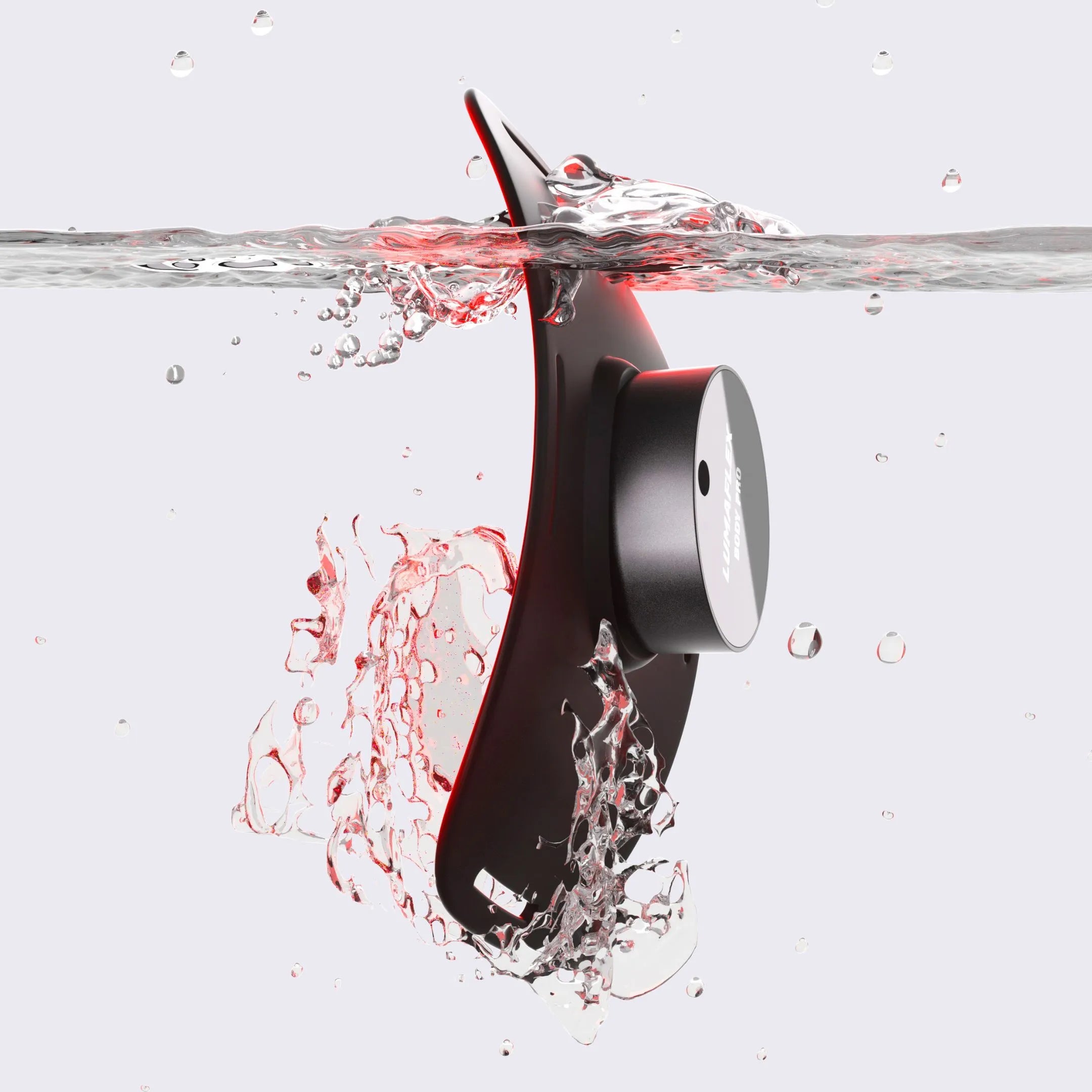
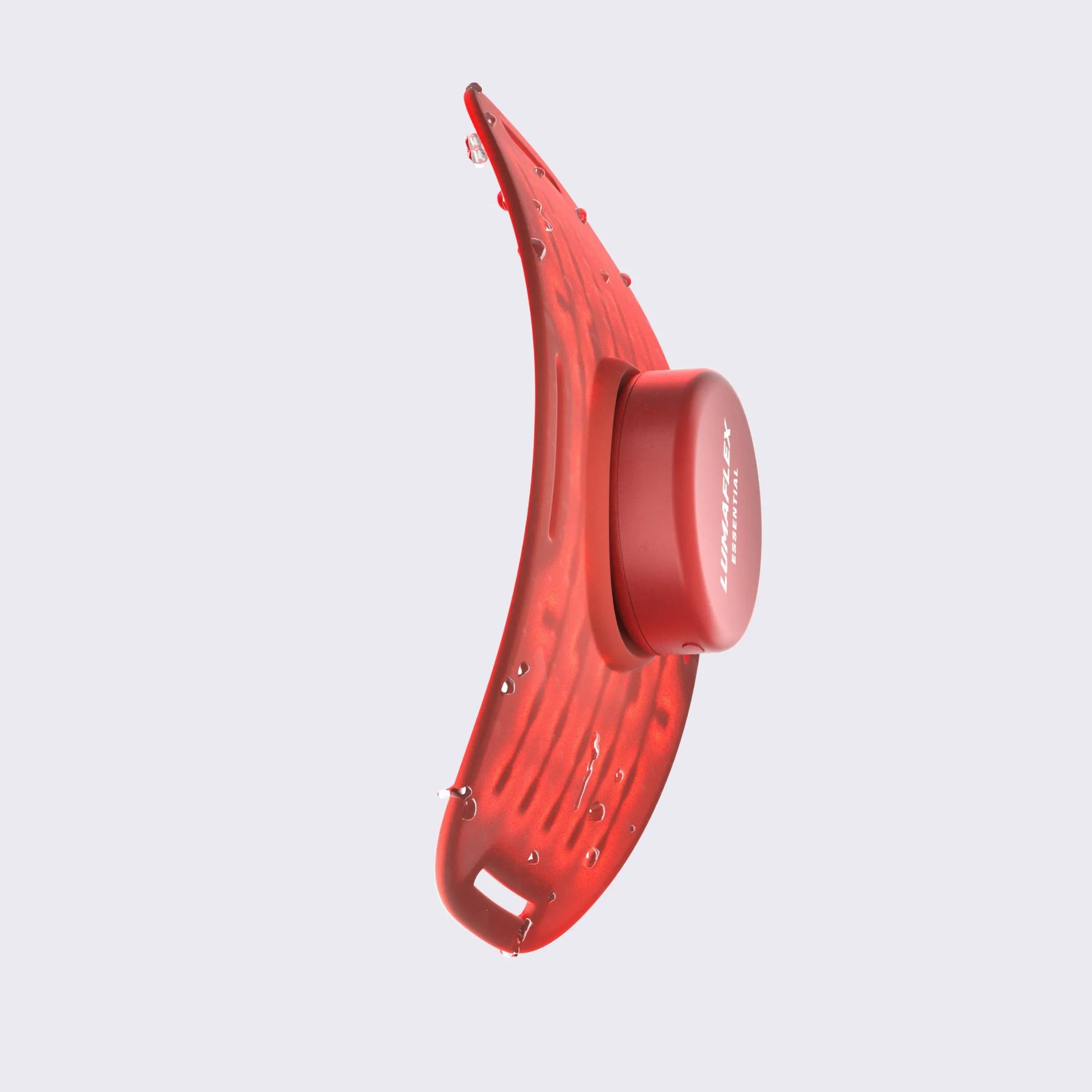
LED light devices like Lumaflex have now become a go-to for every beauty tool. Most of these appliances target fine lines, wrinkles, and skin rejuvenation through red and near-infrared light emission.
Ease of Use: Most LED light appliances are friendly and usually come with instructions to assist one in using them.
Effectiveness: Consistent use can stimulate collagen production, which helps change the skin's texture and tone.
Affordability: Ranging from very cheap to quite expensive, these devices can fit well within many people's budgets.

Infrared Light vs. Red Light
While infrared and red light fall into the same spectrum, they apply differently to skin health and anti-aging.
Skin penetration: Infrared light might pierce the skin layers deeper than red light does, making it more effective in muscle and joint problems and deeper skin problems.
Purpose: Red light is best for superficial skin conditions, like fine lines and wrinkles; thus, it is ideal for anti-aging.
What Wavelengths Are Best for Anti-Aging? ⭐ NEW
Not all light wavelengths deliver the same skin benefits. For anti-aging, research consistently points to two therapeutic ranges:
Red light: 620–660 nm
This range primarily targets the surface layers of the skin (epidermis and upper dermis). It helps:
stimulate collagen and elastin
improve circulation
reduce fine lines and early wrinkles
boost overall skin tone and glow
Near-infrared light: 810–880 nm
Near-infrared travels deeper beneath the skin’s surface, supporting:
cellular repair and regeneration
improved lymphatic drainage (helps reduce puffiness)
decreased inflammation
better healing of damaged or aging tissue
When used together, these wavelengths create a “stacked benefit” (surface-level rejuvenation plus deeper cellular support) which is why many clinical devices and premium at-home systems combine red and near-infrared.
Key takeaway: Look for devices that offer both red (around 630–660 nm) and near-infrared (around 810–880 nm) light for the most comprehensive anti-aging results.
Does Red Light Therapy Work as Other Light Therapies Do?
While applying light for skin treatments is common to all types of light therapies, red light therapy has a unique way of ensuring improvements to the skin surface and health.
Mechanism of Action: This goes into the skin to trigger cellular activity and energy production.
Focus Area: While some may focus on internal conditions or surface bacteria treatments, red light is strictly dedicated to improving the health and appearance of one's skin.
Long-Term Impact: It offers long-term effects when used consistently in a non-harmful way without harsh chemicals or invasive procedures.
Overall, red light therapy is a versatile skincare option and a working wonder. Whether starting with a simple LED device or going all the way with an advanced therapy mask, youthful and rejuvenated skin is only a light away.

Effects Beyond Skin Treatment
Red light therapy is not some one-trick pony but has wide-ranging impacts on the human body. This treatment does much more than just smoothen out fine lines and wrinkles; it has been known to:
Improve muscle recovery: Whether you are a dedicated gym rat or just someone who hits the treadmill occasionally, red light therapy might be what you need to shorten your muscle recovery time.
Reduce inflammation and pain: Many people find that red light therapy has helped reduce chronic pain and inflammation and is, hence, a noninvasive route for pain management.
Boosts circulation: Increased blood flow increases the oxygen and nutrients exposed to your body tissues. These, in turn, accelerate repair and improve health.
Practical Applications in Therapy
With so many benefits of red light therapy, it is no surprise to find its broader applicability in several therapy fields that are currently under study:
Physiotherapy: Red Light therapy speeds the healing process or reduces an injury's pain.
Dental field: A few dental practices use it for oral pain and inflammation reduction after procedures.
Mental health support: Due to its calming nature, more and more research is considering its effects on mood disorders.
Adding red light therapy to your life can change your skin condition and your general health, as it is a versatile tool for health enthusiasts. Whether healing the hustle and bustle or boosting one's beauty routine, illuminating therapies truly stand out as a holistic health hero.
Frequently Asked Questions About Red Light Therapy for Anti-Aging
Does red light therapy really work for wrinkles?
Yes. Consistent use has been shown to improve fine lines, wrinkles, and overall skin texture by boosting collagen production, supporting circulation, and reducing inflammation. Results are gradual and build over time.
How often should I use red light therapy for anti-aging?
Most dermatology-aligned protocols recommend 3–5 sessions per week for the first 8–12 weeks, then 2–3 sessions weekly for maintenance. Always follow your device’s guidelines.
When will I start seeing results?
Many people notice healthier-looking skin within 2–4 weeks. Visible wrinkle and firmness improvements usually appear around 8–12 weeks, with continued gains over several months.
Is red light therapy safe for all skin types?
Generally yes. Red and near-infrared wavelengths are non-invasive, non-UV, and well tolerated. People with photosensitivity, active infections, or who use light-sensitizing medications should check with a doctor first.
Can I combine red light therapy with skincare products?
Absolutely. Pairing red light with gentle moisturizers, ceramides, and hyaluronic acid can enhance results. Avoid harsh exfoliants or retinoids immediately before a session unless your dermatologist advises otherwise.
What wavelengths are best for anti-aging?
Most research supports red (around 630–660 nm) and near-infrared (around 800–880 nm) for collagen support, firmness, and skin recovery.
Will red light therapy replace Botox or fillers?
No. It works differently. Red light improves skin quality from within, while injectables target muscle movement or volume. Many people use them together under professional guidance.
Can I overdo red light therapy?
Yes. More is not better. Excess exposure may stall results. Stick to recommended times and distances for your device.
Is red light therapy painful?
Not at all. Sessions are gentle and produce a mild warmth — no downtime, peeling, or irritation.
Does red light help with more than wrinkles?
Yes. It may support wound healing, redness, mild acne, and overall skin resilience. Anti-aging is just one benefit.
The Impact of Red Light Therapy on Aging and Skin Health
Red light therapy is quite interesting and beneficial for anti-aging and skin health. It enhances the elasticity of the skin, making it strong enough to produce collagen and reducing fine lines and wrinkles. The treatment also supports wound healing and combats various skin disorders.
Either a professional or at-home device red light therapy routine can greatly benefit skincare routines. Remember, consistency helps fetch noticeable results. Add to that a healthy lifestyle, and the benefits increase manifold.
Finally, this addition can be the final key to healthier skin and radiance. Enjoy all the scientifically backed anti-aging benefits of red light therapy.