Can You Overdo Red Light Therapy?
Yes, you can overdo red light therapy—but more isn’t always better. Using it too frequently or for too long can reduce its effectiveness and, in some cases, lead to skin irritation.
The key is finding the right balance between enough exposure to see results and avoiding diminishing returns.
Here’s how often you should use red light therapy, what happens if you overdo it, and how to stay within safe limits.
Table of content
What is Red Light Therapy?
A non-surgical treatment known as red light therapy (RLT) applies specific wavelengths of light to stimulate the body's inherent healing processes. The energy of red and near-infrared light, which can penetrate the skin to a range of depths and exert a range of beneficial effects, is utilized in this treatment.

Types of Light Used (Red and Near-Infrared)
RLT primarily utilizes two types of light:
Red Light (around 600-660 nm): This wavelength is effective for surface-level treatments, helping to stimulate blood circulation and promote skin healing.
Near-infrared light (around 810-850 nm): This wavelength penetrates deeper and may assist in alleviating inflammation and pain in muscles and joints since it can penetrate deeper tissues.
Benefits of Red LED Light Therapy
Red LED light therapy has garnered significant attention for its wide-ranging benefits, from skin health to pain relief and mental well-being. This revolutionary treatment employs red and near-infrared light to stimulate cellular regeneration and healing. Below are some of its numerous advantages in greater detail:
Skin Health and Rejuvenation
Red LED light treatment stimulates the fibroblasts of the skin, which are responsible for collagen production. By retaining greater amounts of collagen, the firmness and elasticity of the skin are maintained, and the appearance is that of younger skin.
The therapy effectively reduces the visibility of wrinkles and fine lines by promoting cellular turnover and rejuvenation. Regular treatments can lead to smoother skin and reduced signs of aging.

Pain Relief and Inflammation Reduction
Red LED therapy is often employed to alleviate pain caused by joint conditions such as arthritis and muscle trauma. It promotes blood flow and reduces inflammation, helping to heal wounds and chronic pain syndromes faster.
Red light therapy benefits athletes by accelerating muscle recovery after intense exercise. It improves circulation and reduces muscular pain, enabling improved performance and a quicker return to exercise.
Psychological Benefits
Research suggests that red LED light therapy can positively impact mood and mental health. The exposure to specific wavelengths is thought to stimulate serotonin production, which can help alleviate symptoms of depression and anxiety.
Since red light therapy impacts melatonin production, it could also help improve sleep patterns. For individuals who experience insomnia or a night of restlessness, this can lead to a better quality and length of sleep.

Overview of Lumaflex and Its Offerings
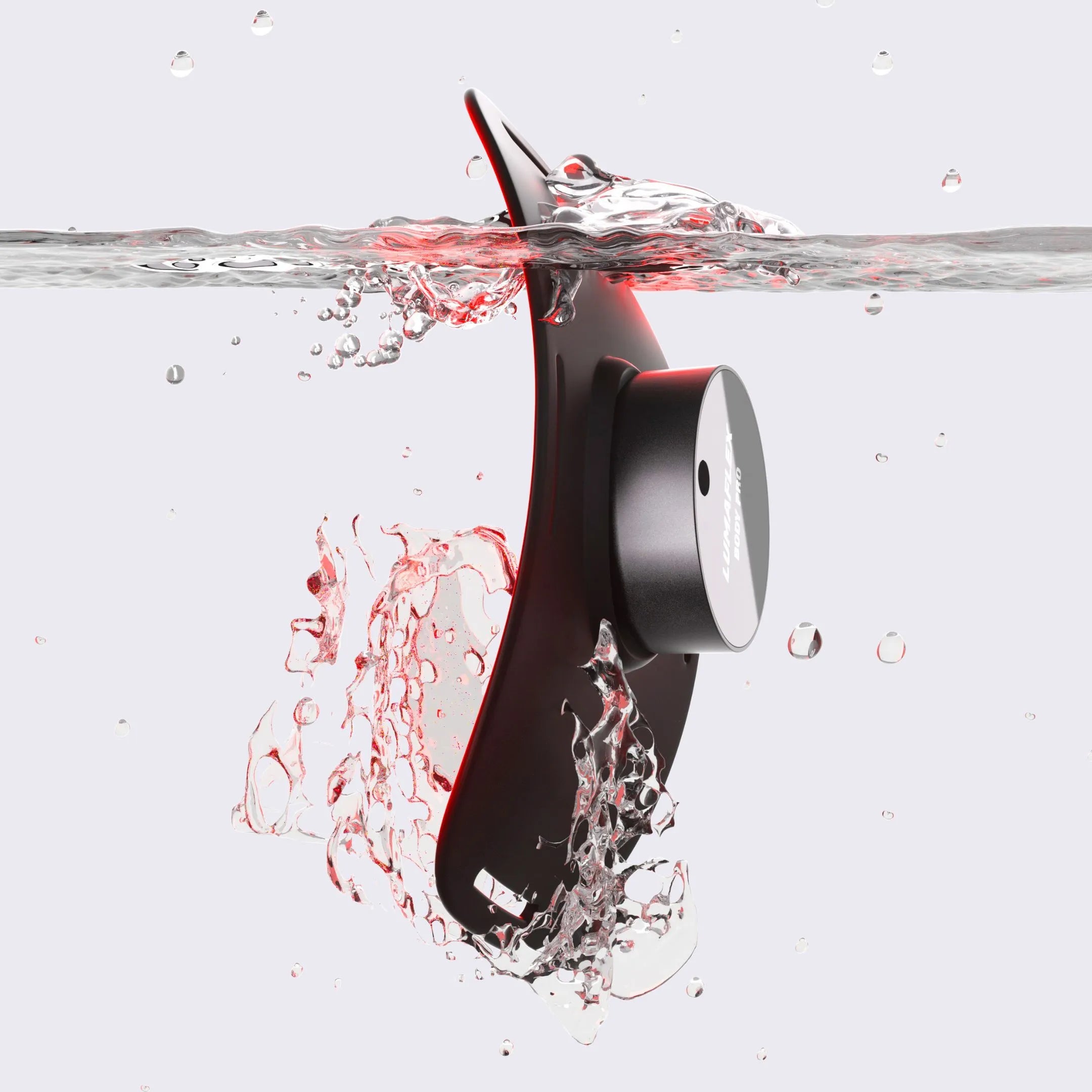
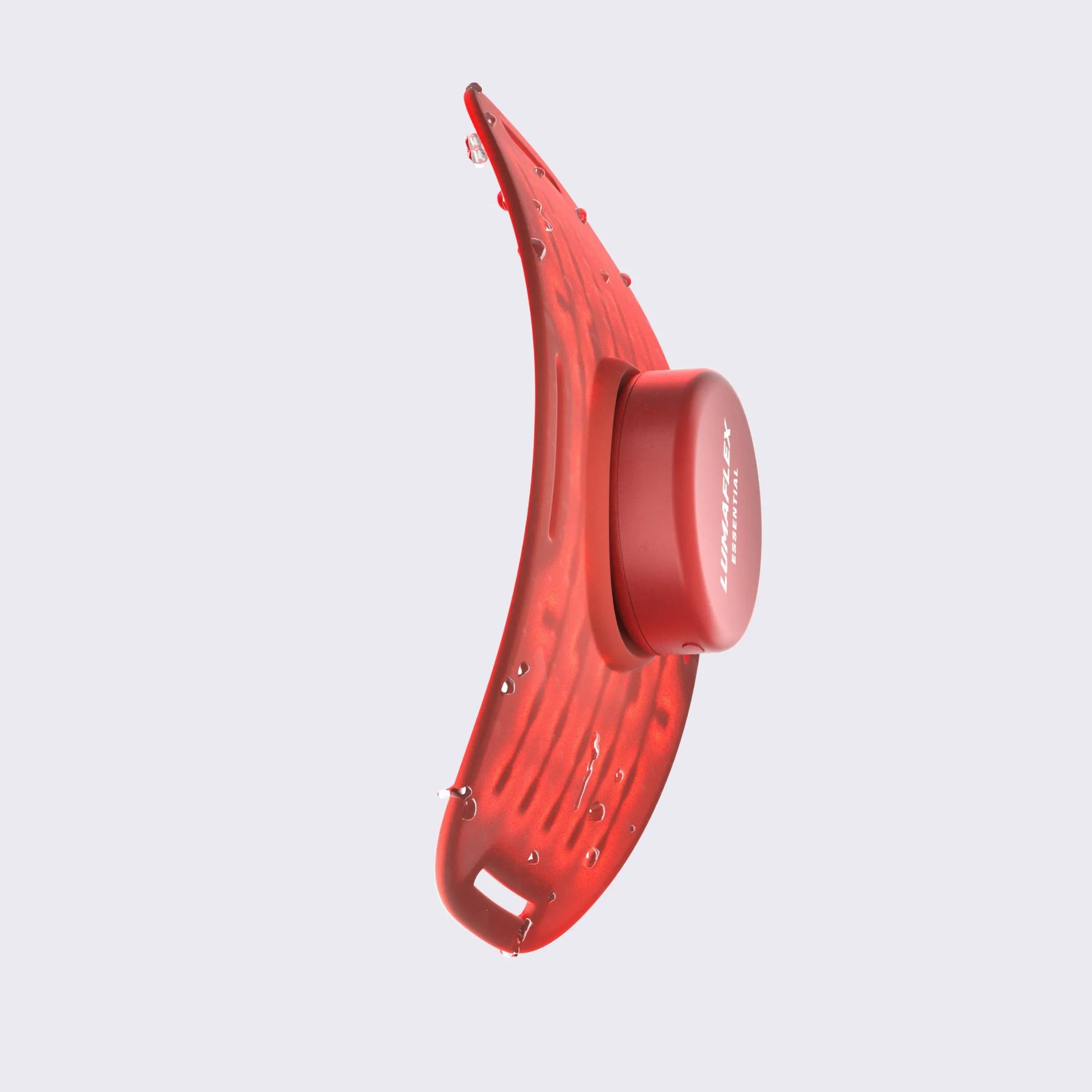
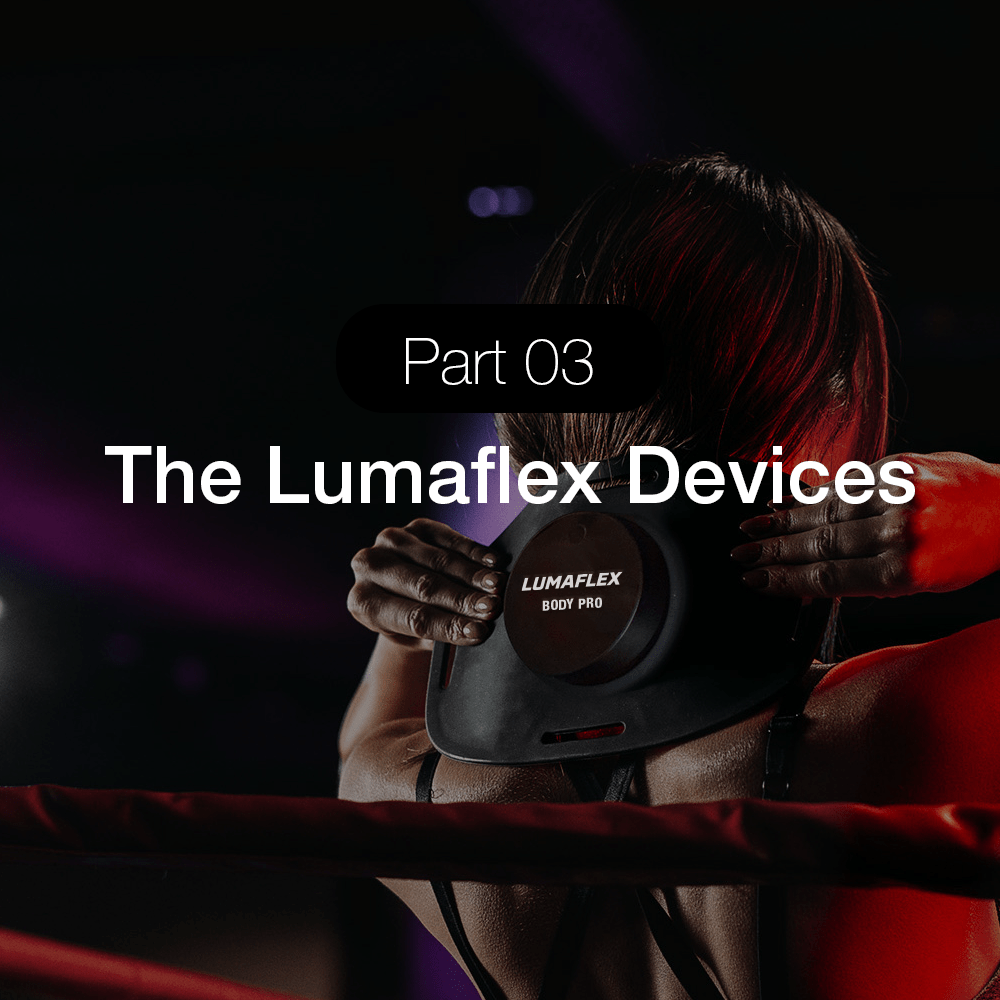
Lumaflex is a leading innovator in light therapy, providing a range of devices designed for at-home use. Their products combine cutting-edge technology with user-friendly design, making effective treatment accessible to everyone.
The efficiency, portability, and adaptability of Lumaflex products are their most distinctive features. Key features are:
- Portable Designs: Many devices are lightweight and easy to transport, allowing for convenient use at home or on the go.
- Red and Near-Infrared Light Options: Utilizing both types of light maximizes benefits for different conditions, from skin health to pain relief.

Can You Overdo Red Light Therapy?
Red light therapy (RLT) is widely praised for its numerous health benefits, but like any treatment, moderation is key. Many wonder if it's possible to overdo red light therapy and its implications. You need to know about excessive exposure and its potential effects.
Excessive exposure to red light therapy refers to using the therapy beyond the recommended duration or frequency. While RLT is typically safe and well-tolerated, overdoing it may diminish its benefits and cause adverse reactions.
Based on individual goals and skin sensitivity, most professionals recommend ten to thirty-minute treatment sessions two to five times weekly. With these guidelines, the body can effectively absorb and respond to light's curative aspects without overexposure.
What "Too Much" Red Light Therapy Actually Means
When people ask if they can overdo red light therapy, they are usually not asking whether it is dangerous in the traditional sense. Instead, they want to know whether using it too often, for too long, or at too high an intensity can reduce benefits or cause unwanted effects.
Red light therapy works by delivering a specific dose of light energy to tissues. Like exercise, the benefits depend on the right amount. Too little may not produce noticeable results, while too much can lead to diminishing returns or temporary discomfort.
Overdoing red light therapy most often refers to excessive session length, using it too frequently without rest days, or positioning the device too close to the skin for extended periods.
Potential Symptoms of Overexposure
Skin Irritation or Burning Sensations
Skin irritation is among the most common signs of overdoing red light therapy. Users may experience redness, sensitivity, or a burning sensation similar to a mild sunburn. If these symptoms occur, reducing exposure time and frequency is essential.
Other Physical Reactions Leading to Discomfort
Excessive use can lead to discomfort beyond skin issues, such as headaches or fatigue. Some individuals may also notice increased inflammation or pain in treated areas due to overstimulation of the tissues. If any of these reactions occur, it is advisable to take a break from therapy and consult a healthcare professional if symptoms persist.
How Much Red Light Therapy Is Too Much? (Duration, Frequency, Distance)
While red light therapy is considered low risk, using it beyond recommended guidelines does not necessarily increase results.
General at-home guidelines often fall within these ranges:
Session length: 5–20 minutes per treatment area
Frequency: Once daily or 3–5 times per week depending on the goal
Distance: Typically 6–12 inches from the skin unless otherwise specified by the device manufacturer
Using red light therapy twice a day is not always harmful, but it may be unnecessary for most people and can increase the likelihood of skin sensitivity or fatigue-like effects.
More is not always better. Consistency over time is usually more effective than long or overly frequent sessions.
Signs You May Be Overusing Red Light Therapy
Signs that you may be using red light therapy too often or for too long can include:
Temporary skin redness lasting longer than expected
A warming sensation that feels uncomfortable rather than mild
Increased skin sensitivity
Headaches or eye strain when used near the face
Plateaued results despite increasing session time
These effects are typically short-lived and resolve by reducing session length or frequency.

How to Safely Use Red Light Therapy
Red light therapy (RLT) can change your life if you add it to your wellness routine, but doing it right is necessary to receive the maximum benefits. Here's how to safely use RLT in your skincare or healing routine.
Recommended Duration and Frequency of Sessions
Guidelines Based on Skin Type and Concern
The duration and frequency of red light therapy sessions can vary based on individual skin types and specific concerns:
Sensitive Skin: Start with shorter sessions (around 5-10 minutes) to gauge how your skin reacts, with a frequency of 2-3 times per week.
Normal Skin: Standard recommendations often suggest 10-20 minute sessions, 3-5 times per week, depending on goals like anti-aging or skin rejuvenation.
Chronic Conditions or Inflammation: More intensive sessions (15–30 minutes) can benefit conditions such as acne or arthritis, with three to five sessions per week; however, sensitivity must be well controlled.
Safe Practices for Using Devices Like Lumaflex
When using devices such as Lumaflex, consider these safe practices:
Distance Matters: To avoid overheating the skin, maintain 6 to 12 inches from the treated area.
Monitor Skin Response: Observe how your skin reacts to treatments while and after, adjusting the frequency and duration if necessary.
Use Consistently: Schedule sessions regularly instead of sporadically using them for optimal benefits.
Importance of Following Manufacturer's Instructions
Specifics for Lumaflex and Other Devices
Each red light therapy device, including Lumaflex, comes with specific guidelines that users should follow:
To ensure safe and effective treatment, refer to the handbook for recommended session length, frequency, and distance.
Determine proper use according to the device's specifications, which can vary based on wavelength and intensity levels.
Consultation with Professionals for Personalized Advice
Before starting RLT, it's wise to consult with a skincare professional or healthcare provider:
They can provide personalized direction based on your skin type, medical history, and specific goals, which may make therapies more effective.
A doctor can also help determine any contraindications for safe use of a drug or condition.
Does Device Type Affect How Much Red Light Therapy is Too Much?
The risk of overdoing red light therapy can vary depending on the type of device being used.
Panels: Higher output devices may require shorter sessions and greater distance.
Mats and belts: Often lower intensity but used for longer durations.
Masks: Designed for facial skin and typically have strict built-in time limits.
Devices with higher power output do not require longer exposure. In many cases, shorter sessions are more effective.
Frequently Asked Questions About Red Light Therapy Overuse
Can you overdo red light therapy?
Yes, it is possible to overdo red light therapy if sessions are too long, too frequent, or used at intensities higher than recommended. While red light therapy is generally considered safe, more is not always better. Excessive use may lead to diminishing returns or mild side effects rather than faster results.
How much red light therpay is too much?
How much is “too much” depends on the device, wavelength, and treatment area. Most at-home red light therapy devices are designed for sessions lasting 10–20 minutes per area, used once daily or a few times per week. Using red light therapy multiple times per day or for extended periods without guidance may be unnecessary and counterproductive.
What are the signs you’re using red light therapy too often?
Common signs of overuse may include temporary skin redness, warmth, sensitivity, or fatigue in the treated area. These symptoms usually resolve with rest and reduced frequency. If discomfort persists, it’s best to pause use and consult a healthcare professional.
Can you use red light therapy twice a day?
Some people use red light therapy twice a day for short sessions, especially for targeted concerns like muscle recovery. However, daily or twice-daily use should stay within manufacturer guidelines. Longer or more frequent sessions do not necessarily improve results and may increase the risk of irritation.
How long should red light therapy sessions be?
Most devices recommend sessions between 10 and 20 minutes per treatment area. High-powered panels may require even less time. Following device-specific instructions is the safest way to avoid overexposure.
Is too much red light therapy harmful?
Red light therapy is non-ionizing and does not damage DNA like UV light. That said, excessive exposure can still stress tissues or cause temporary side effects. Moderation and consistency tend to produce better results than aggressive use.
Can red light therapy be used every day?
Yes, many people use red light therapy daily when sessions are short and properly spaced. Daily use is generally considered safe when following recommended duration and distance guidelines.
Should I take breaks from red light therapy?
Taking occasional breaks can be beneficial, especially if you’ve been using red light therapy consistently for several weeks. This allows your body to respond naturally and helps prevent overuse.
Conclusion: Navigating the World of Red Light Therapy
Red light therapy is a therapy that employs certain wavelengths of light to enhance skin health, reduce pain, enhance healing, and enhance mental health. It helps in muscle recovery, wrinkle reduction, and collagen stimulation. Overuse can cause skin irritation and hyperpigmentation. For safety, employ safe practices, observe sessions, and adhere to manufacturer's guidelines. You can get the best out of red light therapy and improve your health and well-being by exercising caution and care. Embrace this amazing healing and rejuvenating tool while always keeping your safety first.