Dana White Red Light Therapy: The Rise of RLT on Wellness
Dana White, president of the UFC, began publicly talking about red light therapy after incorporating it into a broader health overhaul that also included changes to diet, sleep, and cardiovascular training. He has described the therapy as a meaningful part of his daily recovery routine, citing improvements in energy, inflammation, and overall physical resilience. His visibility in combat sports — where recovery is a professional necessity, not a preference — gave red light therapy credibility with a wide athletic audience that was previously unfamiliar with it.
This article covers what red light therapy actually is, what the clinical evidence shows, and what Dana White's advocacy means for anyone considering it as part of their own recovery approach.
Table of Contents
Dana White Red Light Therapy
Throughout his career, Dana White has become one of our time's most popular sports personalities, catapulting the UFC to global prominence. In addition to his various feats in his career, White has found different therapies that have helped him improve his health. Of all the therapies he has gone through, his advocacy of red light therapy is unparalleled in transforming.
Red Light Therapy, or RLT, is a treatment that uses low wavelengths of red light on the body to enhance its healing and recovery. Its theory postulates that its mode of operation bases its argument on the notion that light can stir cellular function at some particular wavelengths, which has driven its popularity into the circles of wellness and recovery. Over the past years, RLT has gained popularity among athletes and the general health community because it presents a non-invasive approach to health improvements concerning the body and psyche.

Understanding Red Light Therapy
A comprehensive understanding of red light therapy is crucial for recognizing its importance in health and wellness. Its historical context, underlying mechanisms, and broader implications will illuminate its position in modern therapeutic practices.

Origins of Red Light Therapy
The idea of light being a healing force dates back to the Ancient People, when sunlight was regarded as healing. Nevertheless, further empirical investigations of therapeutic light began only in the 20th century.
The contemporary version of light therapy was developed in the 1960s when researchers found respiratory laser lighting and cellular activity. This finding received a positive reflection, and thus, further inquiry was conducted, proving several clinical applications.
Photobiomodulation
Red light therapy is grounded in photobiomodulation, which counters light energy particles whose energy is absorbed by cells to cause cell activation and biological activity.
Cellular Absorption of Light
When red light is transformed into the skin, it captures light and enters the mitochondria, which are the components responsible for cell energy production.
Impact on Mitochondria and ATP production
This effect enhances the mitochondrial processes; thus, augmented generation of adenosine triphosphate (AP), the cellular energy currency, occurs. Enhanced ATP production supports various bodily functions, including healing and inflammation reduction.
Applications of Red Light Therapy

Red light therapy has a range of uses that provide numerous health and rehabilitation benefits in each application.
Pain Relief and Inflammation Reduction
Various studies dealing with the efficiency of RLT in managing different conditions, including arthritis and muscle injuries, have succinctly documented pain relief and inflammation reduction.
Skin health improvements
Other RLT devices lighten and smoothen skin texture and refine fine lines, improving skin conditions like acne and psoriasis.
Muscle recovery and injury rehabilitation
Light therapy accelerates muscle and injury rehabilitation by enhancing natural body recovery processes; hence, many athletes depend on light therapy.
Mood enhancement and sleep improvement
Some studies have indicated that RLT can help improve mood and sleep quality, thus benefiting the mind.
Injury prevention
Numerous athletes incorporate Red Light Therapy (RLT) into their routines to mitigate the risk of injuries, maintain physical fitness, and enhance resilience against possible harm.
Enhanced performance
Red Light Therapy (RLT) helps athletes maximize their capabilities during training sessions and sustain a regular regimen, improving performance standards.
Restoration of physical and mental well-being
Athletes are turning to light therapy to enhance their physical and psychological well-being, aiming for a holistic approach to healing and clarity of mind.
Dana White Red Light Therapy Advocacy
Dana White red light therapy interest inspired many to try the technique. His testimonial reports show the existence of several health issues, which include uncontrolled levels of cholesterol and hypertension, among others. White eventually discovered the healing energy of Red Light Therapy, also known as Low-Level Light Therapy (LLLT) against injuries and inflammation, to boost muscle recovery, reduce inflammation, and improve cellular activity in his body.
White shares his journey on social media sites and includes helpful hints about simple changes he has made in his lifestyle. Dana White's comments show how red light therapy has impacted his recovery time, energy levels, and overall well-being. White's recommendations also led many fighters to adopt red light therapy for their recovery needs, therefore validating its efficacy. Sports recovery strategies promotion - he was the first to promote red light therapy in the MMA circuit and beyond, placing it alongside other recovery techniques.
Scientific Evidence Supporting Red Light Therapy
The clinical evidence for red light therapy — formally known as low-level laser therapy (LLLT) or photobiomodulation — is strongest in three areas relevant to athletic recovery and general wellness:
Pain and inflammation reduction: A 2009 meta-analysis published in The Lancet by Chow et al. reviewed 16 randomized controlled trials and found that LLLT significantly reduced neck pain in the short term compared to placebo, with effects lasting up to 22 weeks. Anti-inflammatory effects have been consistently documented across musculoskeletal conditions.
Muscle recovery and performance: Research published in Photomedicine and Laser Surgery has shown that LLLT applied before and after exercise can reduce markers of muscle damage, decrease delayed-onset muscle soreness (DOMS), and support faster return to full performance — outcomes directly relevant to combat sports athletes.
Cardiovascular and metabolic health: Emerging research on near-infrared light and nitric oxide release suggests a mechanism by which red light therapy may support circulation and vascular health — consistent with the cardiovascular improvements Dana White has described as part of his broader health transformation.
What the evidence does not confirm: Red light therapy is not a standalone cure for any condition. Its benefits are most reliable when used consistently as part of a broader recovery and health protocol — which is precisely how Dana White and most high-performance athletes use it.
How to Incorporate Red Light Therapy
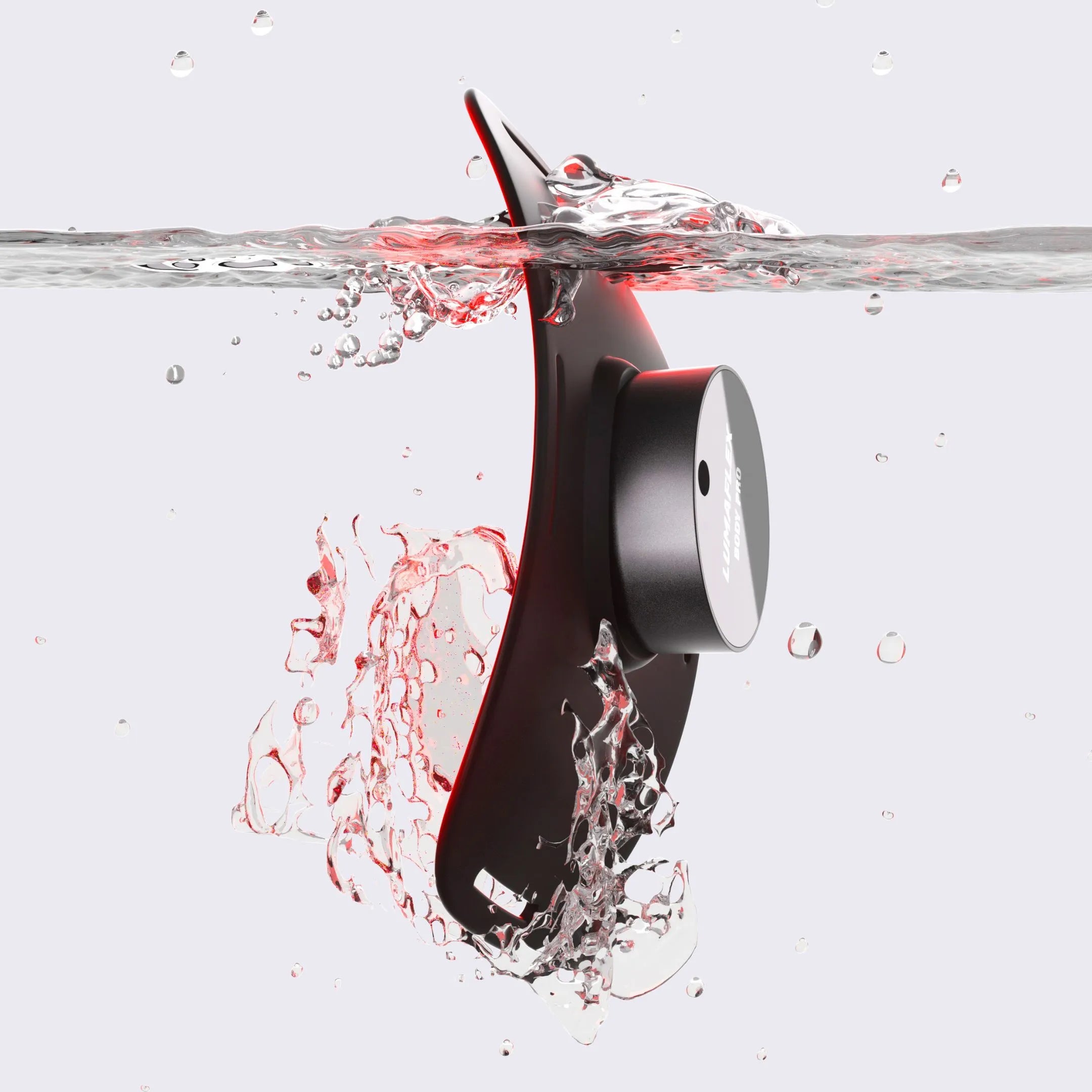
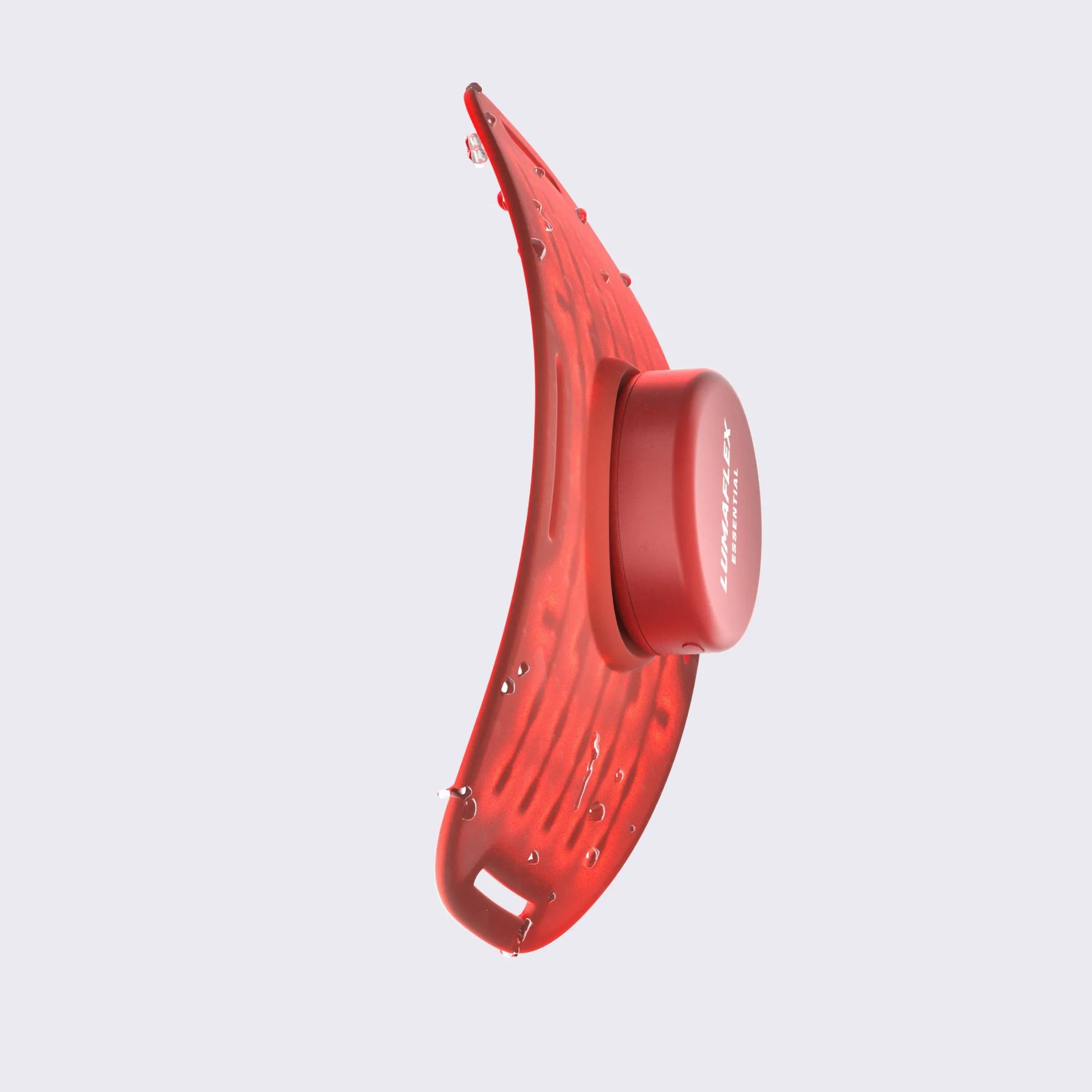
RLT devices come in various sizes, from small units held in one hand to larger panels used on the entire body in just one treatment. To help with your choice, consider the intended use and the amount of space dependent on personal preference.
The session lasts 10-20 minutes, depending on what you want and how effective that device is for you. You should use it every day or every other day to get the most from your session.
Frequently Asked Questions
Does Dana White actually use red light therapy?
Yes. Dana White has publicly discussed red light therapy as part of a broader health and recovery protocol. He introduced it into his routine alongside other lifestyle changes and has credited it with improvements in energy, recovery time, and overall physical health. His advocacy helped bring red light therapy to wider attention in the combat sports community.
What type of red light therapy does Dana White use?
White has referenced full-body red light therapy panels and near-infrared light exposure as part of his routine. He has discussed the Superhuman Protocol — a structured wellness approach that combines red light therapy with other recovery modalities — as the framework he follows.
What are the benefits of red light therapy for athletes?
The most well-documented benefits for athletes include reduced muscle soreness after training, faster tissue repair, decreased inflammation, and improved joint mobility. Research also supports improvements in pain levels and functional recovery from soft tissue injuries. Used consistently, it can reduce recovery time between training sessions.
How long does it take to see results from red light therapy?
Most people notice initial changes — reduced soreness, improved sleep, better energy — within two to four weeks of consistent daily use. More significant outcomes, such as changes in chronic pain or tissue recovery, typically develop over six to twelve weeks.
Is red light therapy safe to use every day?
Yes. Daily use is the standard protocol and is well-tolerated. There is no evidence of harm from daily sessions at appropriate durations (typically 10–20 minutes per area). Consistency is one of the most important factors in achieving meaningful results.
Can anyone use red light therapy, or is it only for athletes?
Red light therapy is used across a wide range of people and goals — from professional athletes focused on recovery, to people managing chronic pain, to those using it for skin health and general wellness. The devices vary in size and intensity; what works for a UFC fighter in a full recovery suite works equally in a smaller, portable form for everyday use.
Future of Red Light Therapy
Dana White Red Light Therapy is known for his leadership among fighters in the MMA on the path with a red light therapy story that greatly impacted health and recovery. The more scientific evidence mounts, the more red light therapy's benefits become evident in pain relief and better sports performance. On top of that change, we could not forget that red light therapy is a holistic approach, besides other modalities, and one's health and recovery would be significantly enhanced upon trying RLT.