PEMF vs Red Light Therapy: Differences, Benefits, and Which to Use (2026 Guide)

PEMF vs Red Light Therapy: What Each One Actually Does and When to Use Both
| Quick Answer |
| When comparing PEMF vs red light therapy, the short version is this: they work through completely different biological mechanisms and are best at different things. Red light therapy has a broader body of research covering skin health, muscle recovery, wound healing, and inflammation. PEMF has strong clinical evidence for bone healing and specific pain conditions. For most people, red light therapy is the stronger everyday starting point. PEMF is best used as a complement for specific goals. |
PEMF vs red light therapy often show up in the same wellness topics. Same price brackets, same recovery claims, sometimes sold by the same brands.
PEMF vs red light therapy is not a matter of branding or marketing overlap. These technologies act through different biological pathways. Red light therapy works through photobiomodulation within the mitochondria, while PEMF uses electromagnetic fields to influence cellular electrical activity. They produce different outcomes, draw on different bodies of research, and suit different goals.
One thing we've learned watching the recovery technology market evolve is that people often compare therapies before defining their goal. That usually leads to the wrong question. The better question is whether you're trying to improve recovery, heal a fracture, manage chronic pain, support skin health, or solve something else entirely. The technology comes second.
- PEMF vs Red Light Therapy: What Each One Actually Does and When to Use Both
- Two Technologies, Two Completely Different Mechanisms
- The Cases That Built Red Light Therapy's Reputation
- Where PEMF Still Holds a Unique Position
- PEMF vs Red Light Therapy: Side-by-Side
- Can You Use PEMF and Red Light Therapy Together?
- How to Choose
- Frequently asked questions (FAQs)
- Final Verdict
Two Technologies, Two Completely Different Mechanisms
Red light therapy and PEMF are often discussed together because they are used for recovery, pain, and healing. Their mechanisms are unrelated.
Red light therapy works through photon absorption. PEMF works through electromagnetic fields. One acts through a biochemical pathway involving the mitochondria. The other influences electrical activity at the cell membrane.
Red Light Therapy: The Biochemical Pathway

Red light therapy, also called photobiomodulation (PBM), works through photon absorption. Specific wavelengths of light, between 660 and 850 nanometers, penetrate tissue and get absorbed by cytochrome c oxidase, a protein inside your mitochondria.
Cytochrome c oxidase plays a central role in mitochondrial energy production. Photon absorption triggers a cascade of cellular responses associated with ATP production, oxidative stress regulation, and tissue repair.
Researcher Dr. Tiina Karu spent decades mapping this pathway. Photobiomodulation has been studied for decades across skin health, wound healing, muscle recovery, pain management, and inflammation. Early NASA research helped advance interest in photobiomodulation for wound healing and tissue repair. The pathway is reasonably well understood and has been studied across multiple tissue types.
| Wavelength matters more than most people realize: |
| Visible red light (630 to 660nm) works at the skin surface. Near-infrared light (800 to 1100nm) reaches muscle, joints, and connective tissue. A device covering both ranges handles both surface and deep-tissue goals. |
PEMF: The Electrical Pathway

PEMF therapy sends pulsed electromagnetic fields through tissue. Those fields interact with ion channels and the electrical potential across cell membranes. No heat. No light. A different entry point into cellular function entirely.
Cells do respond to electromagnetic input, and the research on specific applications backs this up. Interpretation becomes more difficult because PEMF outcomes depend heavily on device parameters. :
• Frequency (measured in Hz). A device pulsing at Schumann resonance frequencies, around 7.83 Hz, produces different effects than a clinical device operating at higher frequencies.
• Intensity (measured in Gauss or Tesla). Consumer mats and clinical devices are not in the same category.
• Waveform type (sinusoidal, sawtooth, square). Frequency, intensity, and waveform all influence treatment characteristics.
A $99 consumer PEMF mat and a $3,000 clinical-grade device do not deliver the same treatment. Most consumer devices do not publish specs that match the parameters used in the studies their marketing cites.
Red light therapy devices are more straightforward to evaluate. Wavelength (nm) and power density (mW/cm2) are measurable, publishable numbers you can compare directly against research protocols.
That transparency matters more than most buyers realize. A therapy can only be as good as the device delivering it. One reason red light therapy has gained traction outside clinical settings is that consumers can verify the specifications that influence performance. The same is not always true in PEMF, where critical parameters are often difficult to find or compare.
The Cases That Built Red Light Therapy's Reputation
Across everyday health and recovery goals, red light therapy has the broadest and most consistent body of evidence of the two technologies. These are its strongest applications.
Skin Health and Collagen Production
Visible red wavelengths, around 630 to 660nm, stimulate fibroblasts, the cells that produce collagen and elastin. Hundreds of randomized controlled trials have documented improvements in skin texture, tone, and wrinkle depth. Dermatology clinics treat it as a standard tool.
Muscle Recovery
Pre- and post-exercise photobiomodulation has a solid base in sports science. Elite teams use it. The findings are consistent: less delayed-onset muscle soreness, faster recovery between sessions, lower markers of exercise-induced inflammation.
Wound Healing
NASA's early photobiomodulation research centered on wound healing. That work has been replicated across clinical settings many times over. Near-infrared wavelengths accelerate tissue repair by boosting cellular energy production in damaged tissue. Clinical uses include post-surgical healing, diabetic wound care, and skin graft recovery.
Emerging Areas
Transcranial near-infrared application is generating research interest for cognitive function and neurological recovery. Sleep quality via the circadian light pathway is another growing area. Neither is as well-established as the applications above, but the biological rationale is sound and early data is encouraging.
This breadth of evidence is one reason red light therapy has become a common fixture in sports performance facilities, rehabilitation clinics, and increasingly, home recovery routines. Few recovery technologies have accumulated research across such a wide range of tissues and applications.
Where PEMF Still Holds a Unique Position
PEMF has genuine clinical applications. Accuracy about where its evidence is strongest requires being equally accurate about where it thins out.
Bone Healing and Density
PEMF's most validated application. The FDA cleared PEMF devices specifically for non-union fractures, cases where broken bone tissue fails to knit properly. People recovering from serious fractures or managing osteoporosis under clinical guidance have a real reason to consider PEMF here.
Pain Modulation
Clinical PEMF has produced results for arthritis and neuropathic pain in controlled settings. Most positive findings come from clinical-grade systems rather than consumer devices. High-intensity, calibrated devices under professional supervision generate outcomes that low-intensity consumer mats are unlikely to replicate.
Sleep
Some studies support PEMF's effect on circadian regulation, particularly at Schumann resonance frequencies. The research base is smaller than RLT's sleep-related findings, but the application is legitimate and worth considering for people with sleep issues that have not responded to other approaches.
| Device Quality Matters More Than Most Comparisons Acknowledge |
| Consumer PEMF mats often bear little resemblance to the clinical devices used in studies. Wavelength and power density in red light therapy are measurable and comparable. PEMF frequency, intensity, and waveform are rarely published clearly on consumer products. Know what you are buying. |
This is where many comparisons become misleading. Research findings are often quoted as though every device in a category produces the same result. In practice, treatment parameters matter. A well-designed device that closely matches research protocols is far more relevant than a generic device that happens to use the same technology.
PEMF vs Red Light Therapy: Side-by-Side

Evidence ratings below reflect the state of current research. Strong means multiple well-designed studies with consistent results. Moderate means real evidence with meaningful caveats. Limited means early or thin research in consumer contexts.
| Goal / Condition | Red Light Therapy | PEMF |
| Skin health / collagen | Strong. Hundreds of RCTs. Standard in dermatology. | Limited. Not a primary application. |
| Muscle recovery | Strong. Pre and post-exercise evidence. Sports medicine standard. | Moderate. Some findings, less consistent. |
| Wound healing | Strong. Extensive clinical literature. Used in wound care and tissue repair settings. | Moderate. Less research outside bone tissue. |
| Inflammation | Strong. Cytokine modulation well-documented. | Moderate. Mechanism less mapped in soft tissue. |
| Sleep quality | Emerging. Circadian light pathway research ongoing. | Moderate. Schumann resonance frequency data. |
| Bone healing | Limited. Not a primary application. | Strong. FDA-cleared for non-union fractures. |
| Chronic pain | Moderate. Neuropathy and joint pain data. | Moderate. Clinical settings. Device-dependent. |
| Device predictability | High. Wavelength and power density are verifiable specs. | Low. Consumer devices vary greatly from clinical devices. |
Can You Use PEMF and Red Light Therapy Together?
Yes. No known interference exists between the two. They work through different pathways, so combining them does not create a conflict. A more practical question is how the two fit into the same recovery routine.
Some practitioners suggest PEMF first to prime cellular ion channels, followed by red light therapy to deliver photons to cells that are already electrochemically primed. The rationale is plausible, although direct evidence remains limited. Direct research on combination protocols is still limited.
For most people building a recovery stack, the priority order is clear. Red light therapy is the foundation. It covers more goals, produces consistent results with regular use, and its device specs are easy to verify. PEMF fits well as a complement for anyone with bone density concerns, chronic pain managed under clinical guidance, or a persistent sleep issue.

A Note on Pulsed Light
One area where the line between these conversations occasionally blurs is pulsing.
PEMF relies on pulses by definition. Red light therapy can also be delivered in either continuous or pulsed modes. The two approaches are not equivalent, but they reflect a similar idea. Timing may influence how cells respond to stimulation.
Research into pulsed photobiomodulation is still evolving. Some studies suggest pulsed delivery may influence cellular response differently than continuous light, although the optimal settings likely depend on the tissue being treated and the goal of the session.
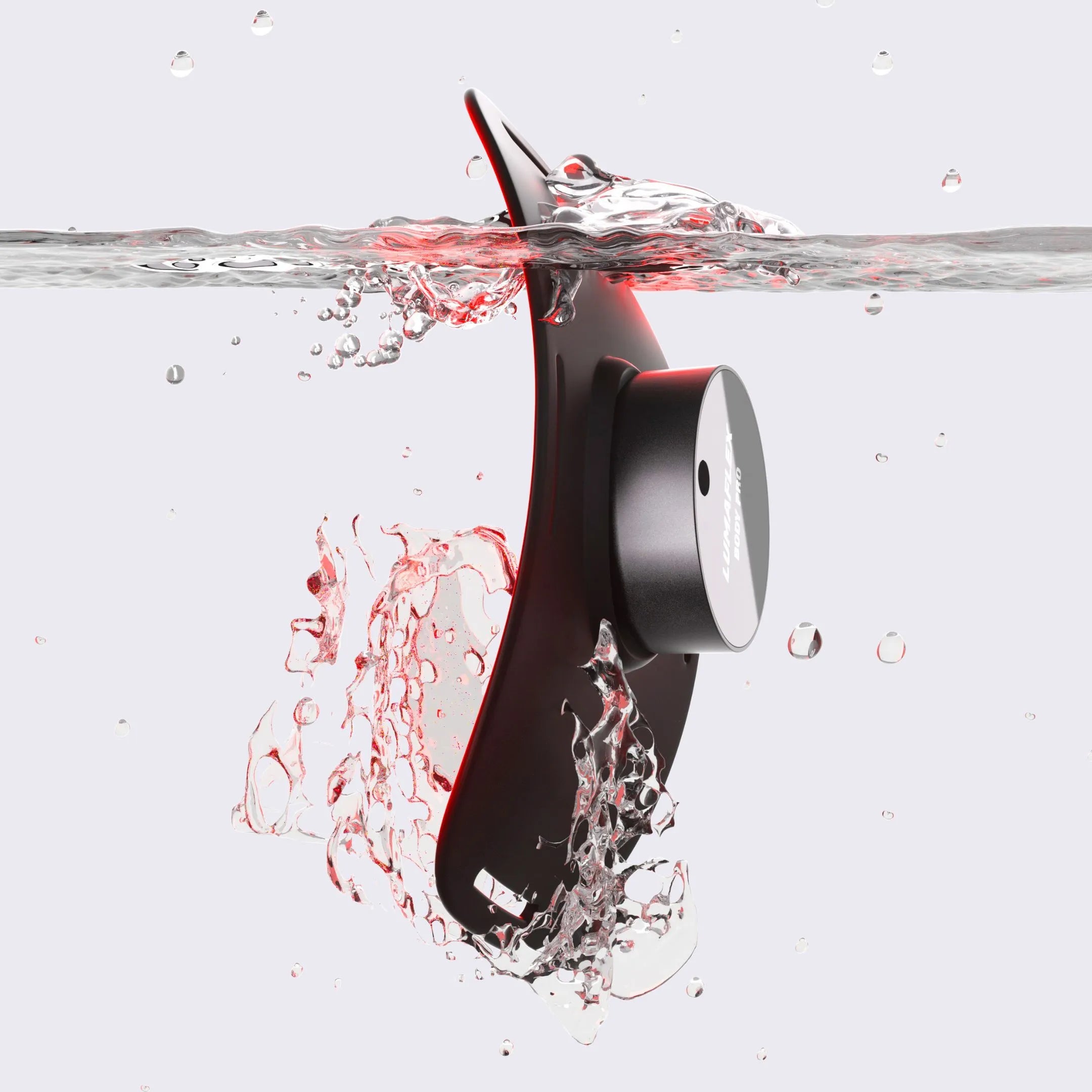
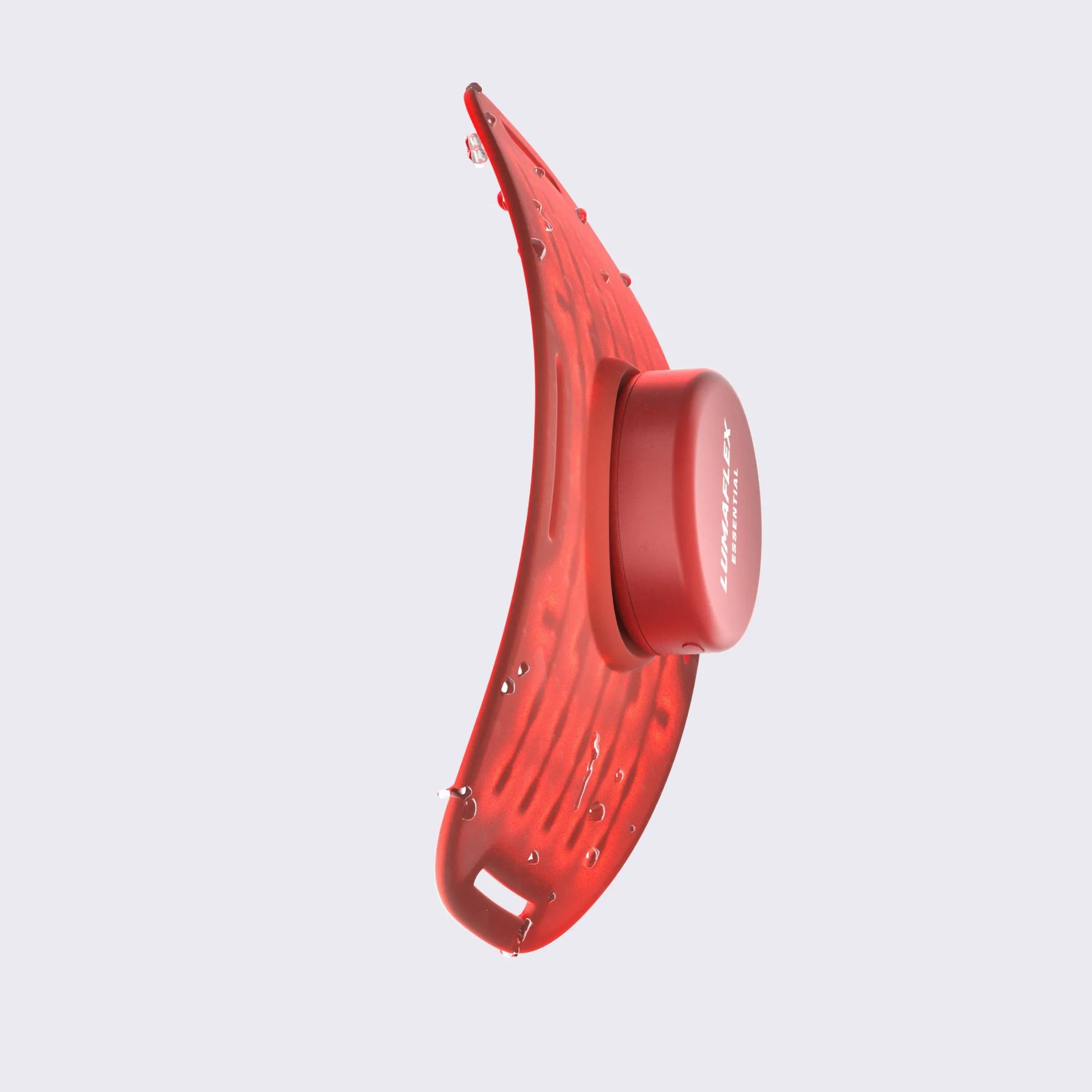
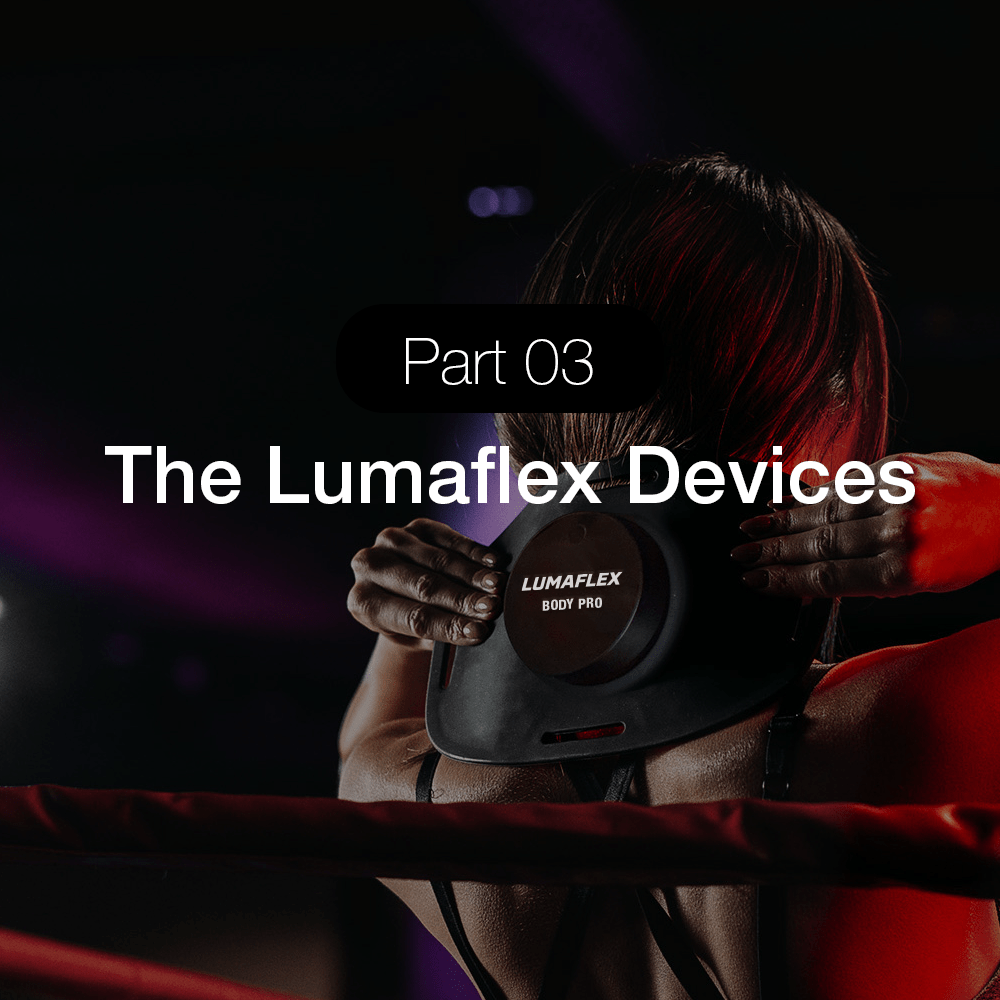
This is why some modern red light therapy devices, including the Lumaflex Essential Pro, allow users to select pulsed treatment modes rather than relying solely on continuous output.
How to Choose
The choice depends on the outcome you're trying to achieve.
Start with red light therapy for:
• Skin health, collagen production, or anti-aging. RLT leads this category by a wide margin.
• Muscle recovery and performance. Pre and post-exercise evidence is strong and consistent.
• Wound healing or post-surgical recovery. Near-infrared wavelengths are clinically validated for tissue repair.
• Inflammation management. Cytokine modulation research for RLT is broader than for PEMF.
• A daily wellness practice. RLT covers more goals with predictable, verifiable results.
Add PEMF for:
• Bone density support or fracture recovery. PEMF's FDA-cleared application and strongest clinical evidence.
• Chronic pain management under medical guidance, particularly arthritis or neuropathic conditions.
• Sleep support when other approaches have not worked.
Device specs to verify
For red light therapy: wavelength (630 to 660nm for surface, 800 to 850nm for deep tissue) and power density (mW/cm2). Both numbers should be clearly published. Both can be compared directly to study protocols.
For PEMF: frequency in Hz, intensity in Gauss or Tesla, and waveform type. A consumer device that does not publish these numbers is unlikely to match the parameters behind the studies its marketing references.
Frequently asked questions (FAQs)
What is the main difference between PEMF and red light therapy?
Red light therapy works through photon absorption in mitochondria, increasing cellular energy (ATP) and reducing oxidative stress. PEMF works through electromagnetic fields that interact with ion channels and cell membrane potential. One acts primarily through photobiomodulation. The other through electromagnetic stimulation. PEMF vs red light therapy is a genuine technological difference, not a branding distinction.
Can you use PEMF and red light therapy in the same session?
Yes. No negative interaction exists between the two. Most practitioners recommend PEMF first to prime cellular ion channels, followed by red light therapy. Direct research on PEMF vs red light therapy combination protocols is limited, but the two therapies operate through different mechanisms and do not interfere.
Does wavelength matter in red light therapy?
Wavelength is the most important spec to check. Visible red light (630 to 660nm) works at the skin surface and suits collagen production, skin repair, and wound healing. Near-infrared light (800 to 1100nm) penetrates into muscle and joint tissue and suits recovery, deep inflammation, and pain. A device covering both ranges handles both categories of application.
Are there risks or side effects?
Both technologies carry low risk when used correctly. Red light therapy should not point directly at unprotected eyes. PEMF is not recommended for people with implanted electronic devices such as pacemakers or cochlear implants, or during pregnancy. Neither replaces medical care for serious conditions.
Are there risks or side effects?
Both technologies carry low risk when used correctly. Red light therapy should not point directly at unprotected eyes. PEMF is not recommended for people with implanted electronic devices such as pacemakers or cochlear implants, or during pregnancy. Neither replaces medical care for serious conditions.
How long does it take to see results?
Red light therapy studies typically show measurable changes in skin and recovery markers within 4 to 8 weeks of consistent use. Muscle recovery effects can be felt session to session. PEMF for bone healing operates on clinical timelines set by a treating physician. Consumer PEMF results for pain and sleep vary widely by device and individual.
Final Verdict
PEMF and red light therapy are often compared, but they solve problems through different mechanisms.
For bone healing, PEMF has some of the strongest evidence. For skin health, muscle recovery, wound healing, and everyday recovery support, the evidence base for red light therapy is broader and more consistent.
For most people, red light therapy is the more practical starting point because it addresses a wider range of goals and its device specifications are easier to verify.
PEMF remains a useful complement, particularly in clinical contexts involving bone healing, chronic pain, and certain sleep-related applications.
The most important decision is not choosing a technology. It's choosing the one that aligns with the outcome you're trying to achieve.