Red Light Therapy for Combat Sports: Recovery Guide 2026

Train twice a day for eight weeks straight and the body starts sending signals. The morning grappling session leaves the shoulders torched. The afternoon striking session starts before those shoulders have had anything close to a full recovery. Repeat this across an entire fight camp and the cumulative damage isn't just soreness — it's a compression of wear that most conventional recovery tools weren't designed to handle at that pace.
Red light therapy for combat sports has moved steadily into the recovery protocols of fighters, wrestlers, boxers, and Muay Thai athletes over the last several years, and not because of wellness marketing. It moved in because fighters found it useful. This article isn't a general introduction to PBM. It's specifically for wrestlers, MMA fighters, boxers, and Muay Thai practitioners who want to understand how it applies to their training, their injuries, and the particular physiology of competing in a combat sport.
Quick Answer: Does Red Light Therapy Help Combat Sports Athletes?
Yes. Research suggests that red light therapy, also known as photobiomodulation (PBM), may help combat sports athletes recover between training sessions by supporting muscle recovery, reducing inflammation, promoting soft tissue healing, and improving sleep quality. The strongest evidence currently supports its role in post-exercise recovery and injury management, while emerging research suggests pre-training use may reduce exercise-induced muscle damage through a process known as muscular preconditioning.
For MMA fighters, boxers, wrestlers, and Muay Thai athletes training multiple times per day, red light therapy may help improve recovery consistency throughout training camps and competition preparation.
- 1. Quick Answer: Does Red Light Therapy Help Combat Sports Athletes?
- 2. Does Red Light Therapy Work for Combat Sports?
- 3. Why Combat Sports Recovery Is Different
- 4. What Red Light Therapy Does — Specifically for Combat Athletes
- 5. What the Evidence Says
- 6. Sport-by-Sport Breakdown
- 7. Red Light Therapy During a Fight Camp
- 8. The Weight Cut Window — An Underused Application
- 9. Protocol Basics for Combat Athletes
- 10. Why Device Type Matters in a Combat Sports Context
- 11. Frequently Asked Questions
- 12. Quick Reference: PBM by Discipline
- 13. Is Red Light Therapy Worth It for Combat Sports Athletes?
Does Red Light Therapy Work for Combat Sports?
The short answer is yes—with appropriate expectations.
Current research suggests that photobiomodulation may help combat athletes reduce muscle damage, manage inflammation, support soft tissue repair, and recover more effectively between training sessions. While combat-sport-specific randomized controlled trials remain limited, the existing evidence from sports science, military medicine, and photobiomodulation research aligns closely with the injury patterns and recovery demands seen in MMA, boxing, wrestling, and Muay Thai.
The key question is not whether red light therapy replaces sleep, nutrition, or smart programming. It does not. The more relevant question is whether it can help athletes maintain training quality across demanding fight camps and high-frequency training schedules. The current evidence suggests it can.
Why Combat Sports Recovery Is Different

Most recovery literature is written for athletes whose damage is reasonably predictable: a strength athlete's quads and hamstrings, a cyclist's legs, a swimmer's shoulders. Combat sports don't work that way.
A single hard training day in MMA might include a grappling session that loads the neck, hips, and rotator cuffs, a striking session that taxes the hands, forearms, and core, and optional strength and conditioning on top of both. Each session type produces a different category of damage — musculoskeletal impact from takedowns and clinch exchanges, neurological fatigue from live sparring, cutaneous injury from mat contact, and chronic repetitive stress on joints and connective tissue that accumulates quietly across months of training.
The timeline problem makes this worse. A fight camp compresses 8–12 weeks of intensified training into a fixed window. The standard 48–72-hour recovery model that works for general athletes doesn't fit. Fighters training 10–14 sessions per week can't afford to wait two days for DOMS to resolve before the next session starts.
The weight cut adds a third layer. Many combat athletes reduce caloric and fluid intake in the days before competition. Dehydration, glycogen depletion, and caloric restriction all impair cellular repair. Inflammation management becomes harder precisely when training load is at its peak. Sleep — where a significant portion of neurological recovery happens — typically suffers during the cut period.
This is the environment where recovery tools either earn their place or don't.
What Red Light Therapy Does — Specifically for Combat Athletes
Photobiomodulation, low-level laser therapy (LLLT), and photobiomodulation therapy (PBMT) all refer to the same intervention: the application of specific wavelengths of red and near-infrared light to tissue. The primary cellular mechanism involves cytochrome c oxidase, the terminal enzyme in the mitochondrial electron transport chain. When light photons interact with this enzyme, they increase ATP production and trigger downstream effects including reduced inflammation, enhanced tissue repair, and improved cellular metabolism.
For combat athletes, four of those downstream effects matter most.
Muscular Preconditioning Before Training
The most underused application of PBM in combat sports is applying it before training, not just after. Research cited in the NSCA Coach review by Gonzalez, Sanchez-Trinidad and Olmeda (2024, Vol. 11, No. 1) showed that PBM applied before intense exercise reduced creatine kinase (CK) activity — a biomarker of muscle damage — compared to exercise without PBM. Animal models demonstrated this effect, and human trials have since replicated it. This application has a specific clinical name: muscular preconditioning.
For a fighter running a morning grappling session and an afternoon striking session, using PBM before the afternoon session — when the body is already partially fatigued — is a concrete, actionable strategy. The preconditioning effect isn't about numbing the tissue or suppressing a healthy training response. It's about reducing the degree of damage that accumulates during a session that begins in a compromised state.
Post-Training Recovery and Reduced DOMS
The post-training application is better known but deserves specificity in a combat sports context. After sparring or live grappling, creatine kinase levels spike and inflammatory markers including IL-6 rise sharply. DOMS peaks 24–48 hours later. PBM applied post-training has been shown to modulate this inflammatory cascade — dampening the response before it becomes a limitation on the next session.
For a fight camp athlete training 10–14 sessions per week, compressing DOMS resolution from 48 hours to 24 hours isn't a marginal improvement. It's the difference between going into the next session functional or compromised.
Soft Tissue and Skin Injury Repair
Research published in the Defence Life Science Journal by Priyadarshi, Keshri and Gupta (2024, DOI: 10.14429/dlsj.9.19442) from the Defence Institute of Physiology and Allied Sciences (DRDO-DIPAS, Delhi) examined PBMT specifically as a non-invasive, drug-free approach to managing combat and traumatic soft tissue injuries. Their review found that PBMT promotes tissue repair, reduces pain, inflammation, and oxidative stress, and facilitates functional recovery in injury contexts involving real trauma and real tissue damage.
The overlap with combat sports is direct. Military combat injuries and sport combat injuries share the same underlying tissue biology: lacerations, abrasions, contusions, muscle bruising, and connective tissue damage. PBMT's role in stimulating collagen synthesis, activating fibroblasts, and promoting angiogenesis applies equally to the mat burn a wrestler picks up on a Tuesday and the shin contusion a Muay Thai fighter is managing through the third week of camp.
Sleep Quality and CNS Recovery
Sparring and live grappling impose neurological fatigue that is distinct from muscular fatigue. The Gonzalez et al. (2024) NSCA review references research showing that PBM improves sleep quality in athletes, drawing on Zhao et al. (2012) and related findings. For fighters, sleep is where neurological recovery from sparring actually occurs. Poor sleep during camp — common during the weight cut period specifically — compounds every other form of fatigue.
The evidence for PBM's effects on sleep quality is less robust than for its muscular outcomes, and that should be stated clearly. But the mechanistic link between improved mitochondrial function, reduced systemic inflammation, and sleep quality improvement is coherent, and the practical implication for fight camp athletes is worth taking seriously.
What the Evidence Says
PBMT for Combat and Traumatic Soft Tissue Injuries
Priyadarshi, Keshri and Gupta (2024), published in the Defence Life Science Journal (DOI: 10.14429/dlsj.9.19442) by researchers at DRDO's Defence Institute of Physiology and Allied Sciences in Delhi, reviewed PBMT as a non-invasive therapeutic approach for combat and traumatic soft tissue injuries. Their findings: PBMT promotes tissue repair, reduces pain, inflammation, and oxidative stress, and facilitates functional recovery. The review also highlighted dual and multi-wavelength PBMT as particularly effective, and noted an excellent safety profile across the intervention.
The context matters for a combat sports audience. This was not written for gym recovery. It was written for military medicine — for injuries with genuine complexity and real tissue trauma. That it supports the same intervention for the kind of damage combat sports athletes accumulate routinely is not a stretch. It is the same tissue biology.
Red Light Therapy in Strength and Conditioning
Gonzalez, Sanchez-Trinidad and Olmeda (2024), published in NSCA Coach (Vol. 11, No. 1), wrote specifically for strength and conditioning coaches. Their review established that PBM enhances sleep quality, improves skeletal muscle performance, increases the body's defense against muscle tissue damage, and that strength training combined with PBM may outperform strength training alone in certain outcomes.
The NSCA is the professional body for strength and conditioning coaches worldwide. Its publications carry the kind of institutional credibility that cuts through marketing noise — the same credibility that matters to experienced fighters and their coaches who have seen plenty of recovery products oversell and underdeliver.
The Preconditioning Effect: Creatine Kinase and Oxidative Stress
The mechanistic case for pre-exercise PBM is built primarily on its demonstrated ability to reduce CK activity and enhance the body's oxidative stress defenses before intense training loads are applied. The evidence base is strongest for single-joint, high-load exercise contexts, with positive findings extending to endurance metrics. Combat-sport-specific randomized controlled trials remain limited — that gap is worth acknowledging — but the underlying cellular mechanisms are consistent with the observed effects, and the practical extrapolation to twice-daily training is logical rather than speculative.
Published evidence from military sports science, strength and conditioning research, and photobiomodulation literature consistently shows that PBM reduces creatine kinase activity, modulates pro-inflammatory cytokines, supports wound healing, and improves sleep quality — outcomes directly relevant to the physiological demands of combat sports training.
Sport-by-Sport Breakdown

MMA — Managing a Full-Body Contact Load
MMA is physiologically unique. A full training day might combine a grappling session targeting takedown mechanics and positional control, a striking session, and optional strength work — each drawing on different energy systems and loading different tissue groups. The result is systemic damage rather than localized wear.
Practical focus areas: Full-body post-training sessions address the breadth of tissue damage typical of an MMA training day. The hip flexors, lats, and neck — chronically loaded through takedown defense, clinch exchanges, and sprawl mechanics — benefit from targeted NIR application (808–850nm range) for deep tissue penetration. Pre-session preconditioning before afternoon double sessions is where MMA athletes can extract the most underutilized value from the technology.
During fight camp, the portability question becomes practical rather than theoretical. A device that wraps directly around a shoulder or hip while the athlete reviews fight footage or does mobility work fits the actual texture of a fighter's day. A flat panel bolted to a wall does not.
Boxing — Hands, Face, and the Toll of Repetitive Impact
Boxing is routinely underestimated in terms of cumulative wear. The hands absorb enormous force across thousands of repetitions in training. Knuckle contusions, metacarpal stress, wrist and finger tendinopathy are not edge cases — they are the baseline experience of anyone who spars regularly. Orbital bruising that makes sparring impossible for three days, shoulder impingement from tens of thousands of punch repetitions, rotator cuff stress that fighters manage around rather than through: these are the realities of the sport.
Practical focus areas: The hands and forearms respond well to the 630–660nm wavelength range, which targets superficial tissue — relevant for knuckle and metacarpal contusions and tendon-level strain. Post-sparring facial swelling responds to the same superficial wavelength range applied carefully around the orbital area. The shoulder girdle and rotator cuff require NIR depth. Pre-sparring upper body preconditioning is a specific protocol worth building into the warm-up routine — treating it as a step in preparation rather than an add-on is the framing that leads to consistent use.
It doesn't ask the fighter to add complexity. It asks them to add 10–15 minutes to what they're already doing.
Wrestling — Shoulders, Neck, and Mat-Derived Skin Injuries
Wrestling may impose the highest peak mechanical load of any discipline covered here. The forces involved in takedowns, throws, scrambles, and sprawls are explosive and multidirectional. The neck is under constant stress in tie-ups and front headlocks. The AC joint and rotator cuff absorb enormous stress from underhook battles and defensive wrestling. The lower back takes repeated loading from hip extension mechanics in takedowns and sprawls. And the skin — unlike in boxing or MMA, where protective gear covers much of the contact surface — is in direct contact with the mat for the duration of every session.
Mat burns, abrasions, and contusions are effectively occupational hazards for competitive wrestlers. They are also, based on the Priyadarshi et al. (2024) review, precisely the kind of cutaneous and soft tissue injuries where PBMT's wound-healing mechanisms — collagen synthesis, fibroblast activation, angiogenesis — are most applicable. Early application matters: treating a mat burn within hours of occurrence is more effective than treating it 48 hours later.
Practical focus areas: The shoulder and rotator cuff require NIR penetration (808–850nm) given the depth of the tissue involved. The neck musculature, often neglected in recovery protocols despite being loaded in almost every wrestling position, benefits from targeted treatment. Skin injuries respond to the red wavelength range (630–660nm) applied as early as possible after occurrence. The lower back, loaded heavily through explosive hip mechanics, is one of the most consistently undertreated areas in wrestling recovery.
The wearable, conformable form factor of a device like Lumaflex is particularly relevant here. Treating a shoulder while maintaining enough mobility to stretch or do light movement work between sessions is a practical advantage — the athlete doesn't need to be stationary in front of a panel to recover.
Muay Thai — Shins, Knees, Elbows, and Chronic Conditioning Wear
Muay Thai presents a recovery challenge that the other disciplines don't quite replicate. Shin conditioning is not just an injury to be recovered from — it is a deliberate training adaptation. The progressive desensitization of the shin through repeated impact is a recognized part of Muay Thai development. The microtrauma is intentional. The adaptation is the point.
This creates a nuanced question for PBM application: the goal is not to eliminate the shin's response to impact, but to manage the inflammation that exceeds the adaptation stimulus and slows training without contributing to improvement. There is a threshold. Below it, the response builds the adaptation. Above it, the excess inflammation just delays the next session without adding anything useful. PBM supports appropriate recovery — it does not erase the conditioning process.
Practical focus areas: Shin recovery is the headline application. NIR wavelengths (808–850nm) penetrate to the periosteal level, where PBM's anti-inflammatory and angiogenic effects are most relevant for the kind of deep bone-level bruising that sits above the periosteum for weeks in active fighters. Knee stress from clinch mechanics and low kick blocking responds similarly to NIR depth. Elbow contusions — elbows are both weapons and impact surfaces in Muay Thai — and elbow bursitis respond well to targeted treatment. General lower body recovery, particularly the hip flexors, quads, and calves loaded heavily through kicking mechanics, benefits from post-session PBM.
The framing that works for Muay Thai athletes: PBM supports the shin conditioning process by managing excess inflammation, not by suppressing the adaptation.
Red Light Therapy During a Fight Camp
The fight camp is where PBM goes from a recovery option to a structured protocol. The physiological demands of an 8–12 week intensification block are different from off-season training, and the approach should reflect that.

Build Phase (Weeks 1–4)
Training volume and intensity are escalating, but the body still has reasonable recovery capacity. The risk of breakdown is present but manageable. PBM during the build phase functions primarily as a consistency tool — keeping cumulative inflammation from building into the kind of chronic limitation that forces training modifications later in camp.
Recommended frequency: 3–5 sessions per week, primarily post-training. Focus on the tissue groups most heavily loaded in that day's sessions. If the morning session was grappling-heavy, the shoulder, neck, and hip complex are the priority. If the afternoon was striking, the hands, forearms, and shoulder girdle take precedence.
Peak Load Phase (Weeks 5–8)
This is when the risk of breakdown is highest. Training intensity peaks, sparring is live and heavy, and the body is carrying significant accumulated stress from the first month of camp. Sleep may already be compromised. The window between sessions feels shorter than it did in week one.
PBM use during the peak load phase should be daily. The most effective approach splits it between pre-session preconditioning before the most demanding session of the day, and post-session recovery after sparring. Skipping sessions during this phase costs more than it saves.
Taper and Fight Week
Training volume drops during the taper, but the body is now managing fatigue accumulated across the entire peak phase rather than starting fresh. The physiological task is to maintain the adaptations while allowing the accumulated systemic stress to resolve before fight day.
PBM during the taper supports inflammation management, sleep quality, and tissue repair as the training load decreases. Fight week specifically presents one additional and often overlooked application: the post-weigh-in recovery window.
The Weight Cut Window — An Underused Application
The rapid weight loss period — typically 24–72 hours before weigh-in — involves deliberate dehydration, caloric restriction, and glycogen depletion. All three impair cellular recovery mechanisms. The body's capacity for tissue repair, inflammation management, and cellular energy production is compromised precisely when the athlete is asking the most of it.
The post-weigh-in window, usually 24 hours or less before the fight, is when athletes attempt to restore physiological function through rapid rehydration and refeeding.
PBM during this window is logistically simple. It does not require food, hydration, or physical exertion. It doesn't interfere with rehydration or refeeding.
This is an extrapolation from mechanism rather than a claim supported by weight-cutting-specific RCTs — and that should be stated plainly. But the logic is sound, the intervention is low-risk, and the practical fit is real. A fighter who has 20 hours between weigh-in and the walk to the cage and wants to optimize every passive recovery option available to them has a legitimate reason to include PBM in that window.
What PBM does not do is offset the damage of aggressive weight cutting. Athletes who cut significant weight are taking a physiological risk that no recovery tool resolves. But as one component of the post-weigh-in recovery process, PBM earns its place through simplicity, safety, and mechanistic coherence.
Protocol Basics for Combat Athletes
Pre-session (muscular preconditioning):
- Timing: 5–15 minutes before the session begins
- Duration: 10–15 minutes on the target muscle group(s)
- Focus: whichever muscle groups will be most heavily taxed in that session
Post-session (recovery):
- Timing: within 1–4 hours after training
- Duration: 10–20 minutes per treatment area
- Focus: highest-load areas, impact zones, injury-prone sites
During fight camp:
- Frequency: daily during peak load phase; 3–5 sessions per week during the build phase
- Prioritize consistency over session length — 15 minutes every day outperforms 30 minutes three times a week
Wavelength guidance:
- Red (630–660nm): surface tissue — skin injuries, abrasions, superficial bruising, knuckle and hand contusions
- NIR (800–850nm): deeper tissue — muscle, tendon, joint structures, shin periosteum, shoulder complex
- Combination devices covering both wavelengths simultaneously address both tissue depths in a single session
Related Recovery Resources
Want to go deeper into photobiomodulation and athletic recovery?
- Red Light Therapy Before and After Exercise
- Red Light Therapy for Muscle Recovery
- Near Infrared Light Therapy Benefits
- Red Light Therapy and Sleep Quality
- How Photobiomodulation Supports ATP Production
Why Device Type Matters in a Combat Sports Context
Combat athletes do not train in the same place every day. They train at their home gym, at a camp facility, in hotel rooms before fights, at affiliate gyms while traveling. They are not near stationary equipment for large portions of a fight camp. The portability question is not aesthetic — it is logistical.
A flat panel requires a wall outlet, a stand, and a stationary athlete. It cannot wrap around a shoulder, conform to a shin, or treat a lower back while the fighter is doing mobility work or reviewing footage. For athletes managing multiple injury sites simultaneously — which is the norm in camp, not the exception — repositioning quickly across body parts within a single session matters.
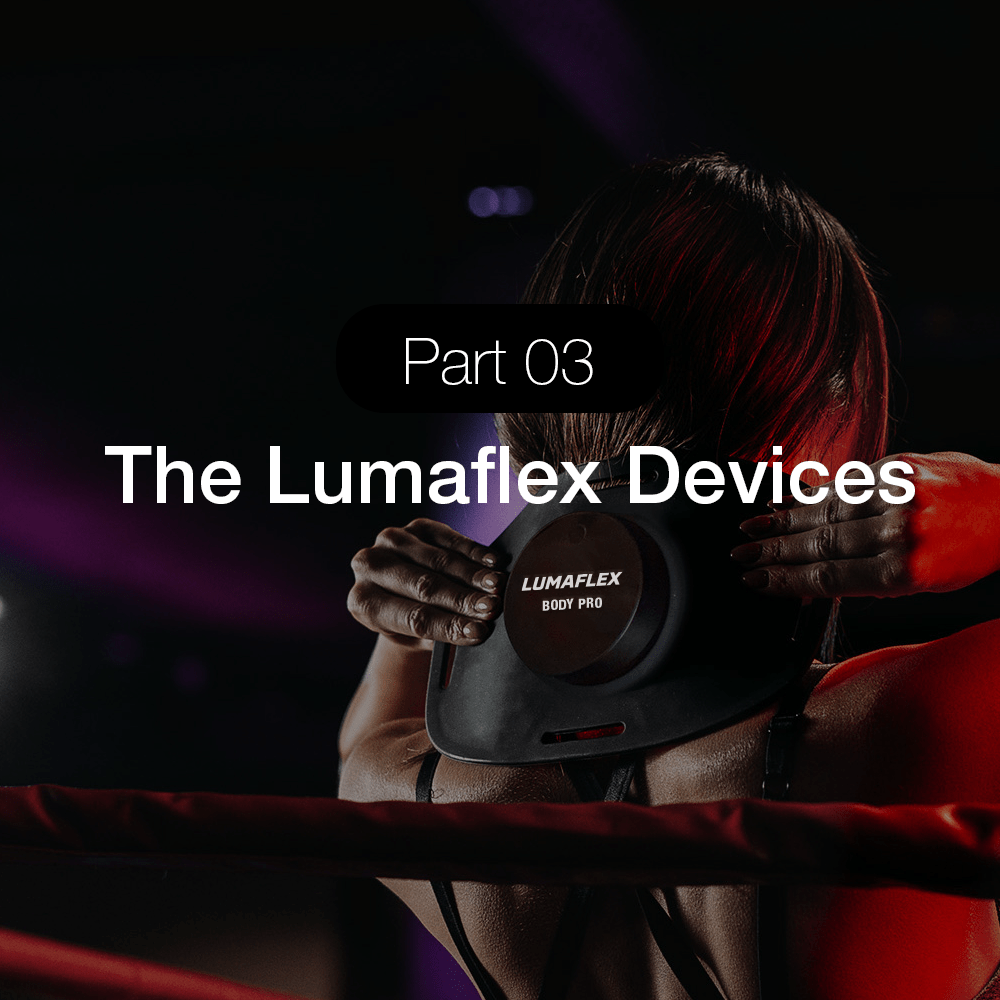
James de Lacey, a professional strength and conditioning coach with a published research background and a Masters in Sport and Exercise Science who works with combat sports athletes, tested the Lumaflex Body Pro through six weeks of heavy lifting and grappling sessions. His assessment: post-workout soreness resolved faster, the shoulder impingement that recurs from pressing work responded well to targeted sessions, and the device's usability for treating multiple injury sites without requiring the athlete to stay stationary was a real functional advantage. His overall conclusion on the device's core recovery value was positive, rooted in his own training experience rather than brand language.
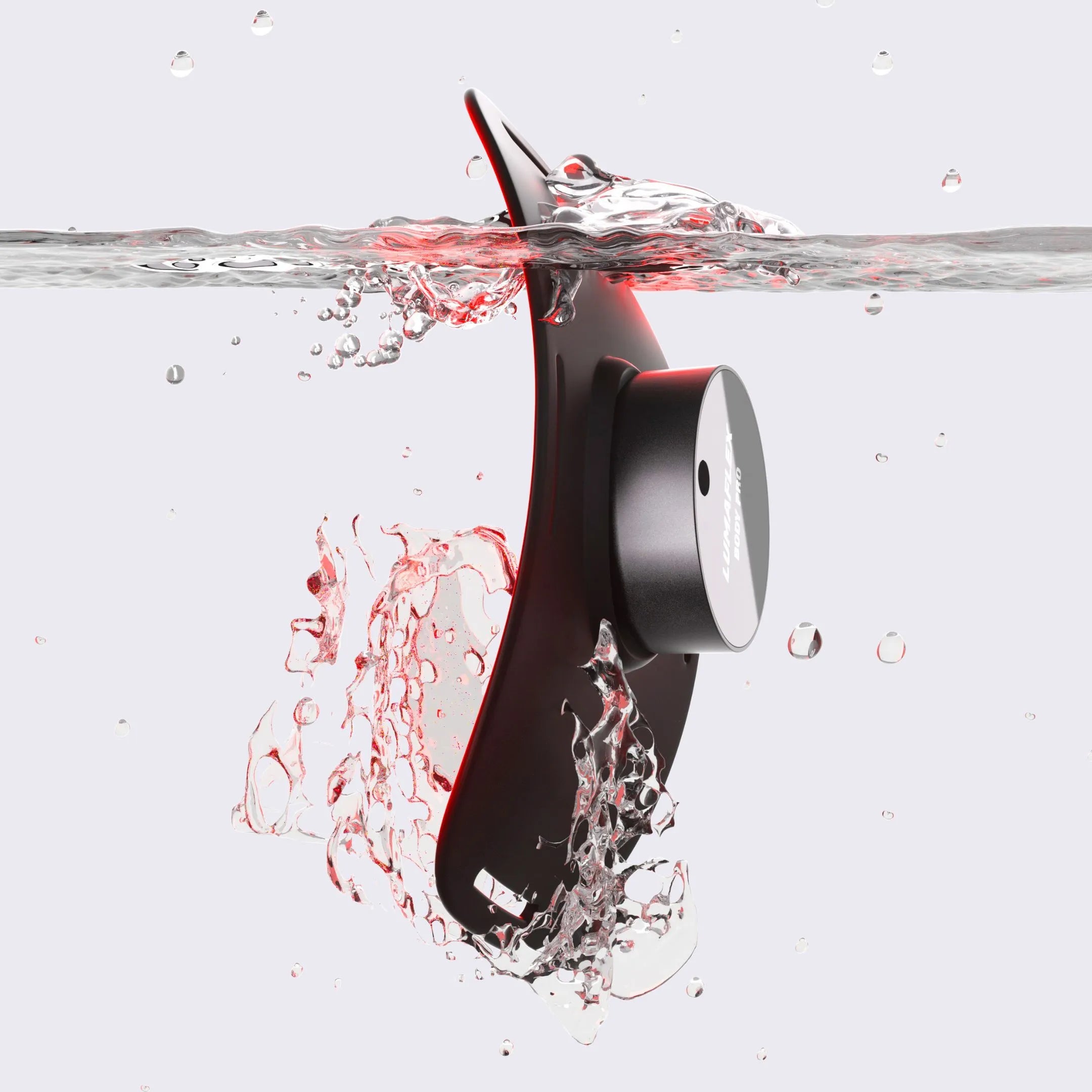
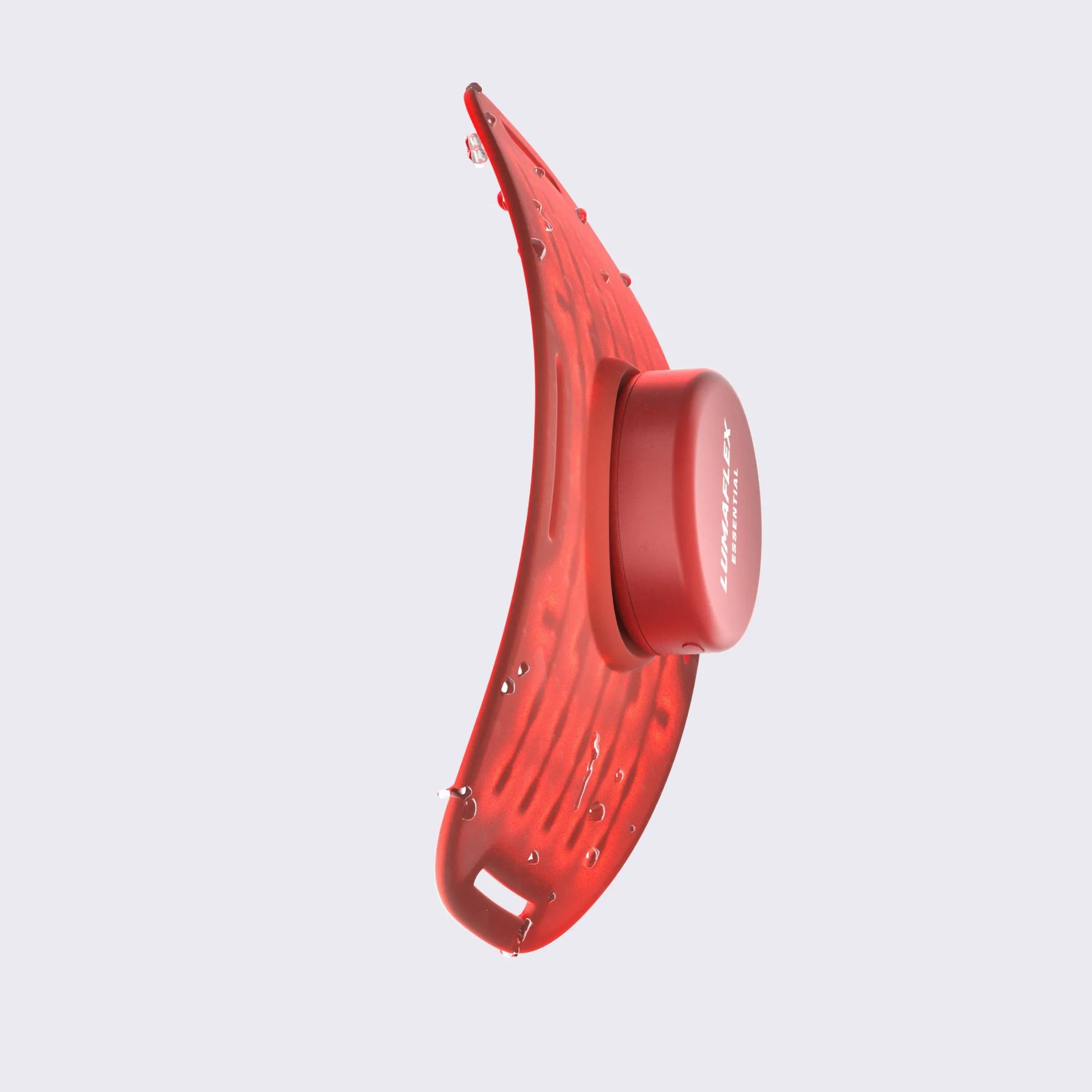
The Lumaflex Body Pro and Essential Pro are built around this constraint. FDA-cleared, IP67 waterproof, flexible enough to conform to the shoulder complex or wrap around a shin. The form factor isn't a design choice made for visual appeal — it's a design choice made for the environments where combat athletes actually train.
Frequently Asked Questions
Does red light therapy help with muscle soreness from sparring?
Yes, with appropriate expectations. PBM applied post-sparring reduces creatine kinase activity and modulates the inflammatory cascade — meaning the biological process that produces DOMS is dampened before it peaks. The soreness doesn't disappear, but the resolution timeline compresses. For athletes training multiple sessions per day, that compression is meaningful.
Should I use red light therapy before or after training?
Both, with different purposes. Pre-session application — muscular preconditioning — reduces the degree of muscle damage during the session. Post-session application supports recovery after the damage has occurred. During peak camp, using it before the most demanding session of the day and after sparring is the most effective combined protocol.
Can red light therapy help heal mat burns and abrasions faster?
The evidence supports it. Priyadarshi et al. (2024) reviewed PBMT for cutaneous and soft tissue injuries in a combat context, finding benefits for wound healing through collagen synthesis, fibroblast activation, and angiogenesis. Applying the device to mat burns and abrasions within hours of occurrence — rather than waiting — produces better outcomes than delayed treatment.
How often should a fighter use red light therapy during fight camp?
Daily during the peak load phase (weeks 5–8 of a standard camp). Three to five sessions per week during the build phase. Consistency matters more than session length — a shorter session every day outperforms a longer session three times a week.
What wavelength is best for shin recovery in Muay Thai?
NIR (808–850nm) for the primary treatment, targeting the deep tissue and periosteal level where shin bruising sits. Red wavelengths (630–660nm) for superficial skin abrasions on the shin surface. A dual-wavelength device addresses both simultaneously.
Can red light therapy help with the weight cut recovery window?
Mechanistically, yes — though combat-sport-specific research on this application doesn't yet exist. During the post-weigh-in window, PBM's support for mitochondrial function, inflammation reduction, and sleep quality are all relevant when the body is in a physiologically compromised state. It doesn't require food, water, or exertion. It fits a window where most other recovery tools are limited by the rehydration and refeeding process.
Is there evidence for red light therapy specifically in combat sports?
The most directly relevant evidence comes from Priyadarshi et al. (2024, Defence Life Science Journal), which reviewed PBMT for combat and traumatic soft tissue injuries — the category of damage that overlaps most closely with what combat sports athletes sustain. Gonzalez et al. (2024, NSCA Coach) provides the strength and conditioning framework. Combat-sport-specific RCTs remain limited, and acknowledging that gap is honest. The mechanistic chain and the injury-type overlap are solid.
Does red light therapy help with shoulder injuries from wrestling?
Wrestling shoulder injuries — AC joint stress, rotator cuff strain, chronic impingement — sit in the deep tissue range where NIR wavelengths (808–850nm) are most effective. The evidence for PBM on soft tissue and connective tissue recovery supports its application. It does not replace physiotherapy or medical assessment for structural injuries, but as a non-invasive adjunct to a management protocol, it fits.
Can red light therapy reduce hand and knuckle swelling from boxing training?
For superficial swelling from knuckle and metacarpal contusions, the 630–660nm wavelength range targets the tissue depth involved. PBM's anti-inflammatory effects at the tissue level are well-supported. Chronic tendinopathy in the hand and finger structures benefits from consistent application over time rather than single sessions.
How is red light therapy different from ice baths or compression recovery?
They operate through different mechanisms and address different phases of recovery. Cold therapy works primarily through vasoconstriction and pain gate modulation — effective for acute inflammation management, less targeted at cellular repair. Compression supports fluid movement and reduces swelling. PBM acts at the mitochondrial level, supporting ATP production and modulating the inflammatory cascade at a cellular rather than mechanical or thermal level. They are complementary rather than competitive. Most serious fight camp protocols include more than one modality; PBM fits alongside cold therapy and compression rather than replacing it.
Quick Reference: PBM by Discipline
MMA: Full-body coverage, daily in peak camp, pre-session for afternoon double sessions, NIR depth for hip flexors and neck.
Boxing: 630–660nm for hands and face (superficial), NIR for shoulder complex, pre-sparring upper body preconditioning.
Wrestling: NIR for shoulder and rotator cuff, 630–660nm for mat burns applied early, neck musculature post-training, lower back daily.
Muay Thai: NIR for shin and knee structures, 630–660nm for superficial shin abrasions, treat shins as a recovery aid for the adaptation process rather than a suppressor of it.
Is Red Light Therapy Worth It for Combat Sports Athletes?
Red light therapy for combat sports has moved steadily into the recovery protocols of fighters, wrestlers, boxers, and Muay Thai athletes over the last several years. Fighters routinely balance multiple daily training sessions, impact-related injuries, accumulated fatigue, and the physiological stress of competition preparation.
Current evidence suggests that red light therapy may help support muscle recovery, soft tissue repair, inflammation management, and sleep quality—outcomes that are directly relevant to MMA fighters, boxers, wrestlers, and Muay Thai athletes. The strongest evidence exists for recovery and tissue healing, while emerging research continues to explore its role in performance support and muscular preconditioning.
Red light therapy is not a replacement for proper sleep, nutrition, hydration, medical care, or intelligent training design. However, for athletes looking to improve recovery consistency throughout training camps and competitive seasons, it represents a practical and increasingly evidence-supported tool within a comprehensive recovery strategy.
[Explore the Lumaflex Body Pro and Essential Pro →]
For a deeper look at the clinical evidence supporting photobiomodulation, visit the [Lumaflex Clinical Trials database] or explore the [Lumaflex Academy] to build a structured protocol for your training.
Published by the Lumaflex Team. Reference studies: Priyadarshi, Keshri & Gupta (2024) — Defence Life Science Journal, DOI: 10.14429/dlsj.9.19442; Gonzalez, Sanchez-Trinidad & Olmeda (2024) — NSCA Coach, Vol. 11, No. 1.