Red Light Therapy for Injuries: Evidence, Protocol & Results
Red light therapy for injuries. Red light therapy can meaningfully support injury recovery. Research on low-level laser therapy (LLLT) — the clinical term for this modality — consistently shows it can reduce pain, accelerate tissue repair, and improve function in musculoskeletal injuries including sprains, strains, tendinopathy, and post-surgical recovery. It is not a standalone treatment, but the evidence supports real benefits when used consistently alongside proper rehabilitation.
The mechanism is well understood: specific wavelengths of red and near-infrared light penetrate tissue and stimulate mitochondria to produce more adenosine triphosphate (ATP), the energy currency of cellular repair. This supports collagen synthesis, moderates the inflammatory response, and increases blood flow to tissue that — particularly in tendons — is already poorly vascularized and slow to heal.
Table of Contents
The Science of Red Light Therapy for Injuries: Harnessing the Power of Light for Healing
Red light therapy involves the application of low-level wavelengths of red or near-infrared light. Research into the mechanisms of action of this phototherapy provides evidence of its profound influence on cellular physiology, primarily by stimulating the mitochondria—the energy-producing structures within human cells. Upon absorption of this red light, it enhances the cell's ability to produce adenosine triphosphate, a molecule highly essential in energizing cellular activities.
Increased production of ATP directly impacts inflammation and tissue regeneration. Immediately after an injury, there will be inflammation, a natural response to injury, but this chronic inflammation can delay recovery. Studies have shown that using Red Light Therapy for injuries can help modulate inflammatory responses and decrease oxidative stress, accelerating the repairing process of damaged tissues. It dramatically improves blood circulation, helps synthesize collagen, and enhances quick recovery from injuries by promoting better health of the tissues.

Lumaflex: Tailored Red Light Therapy for Injuries Solutions for Athletes
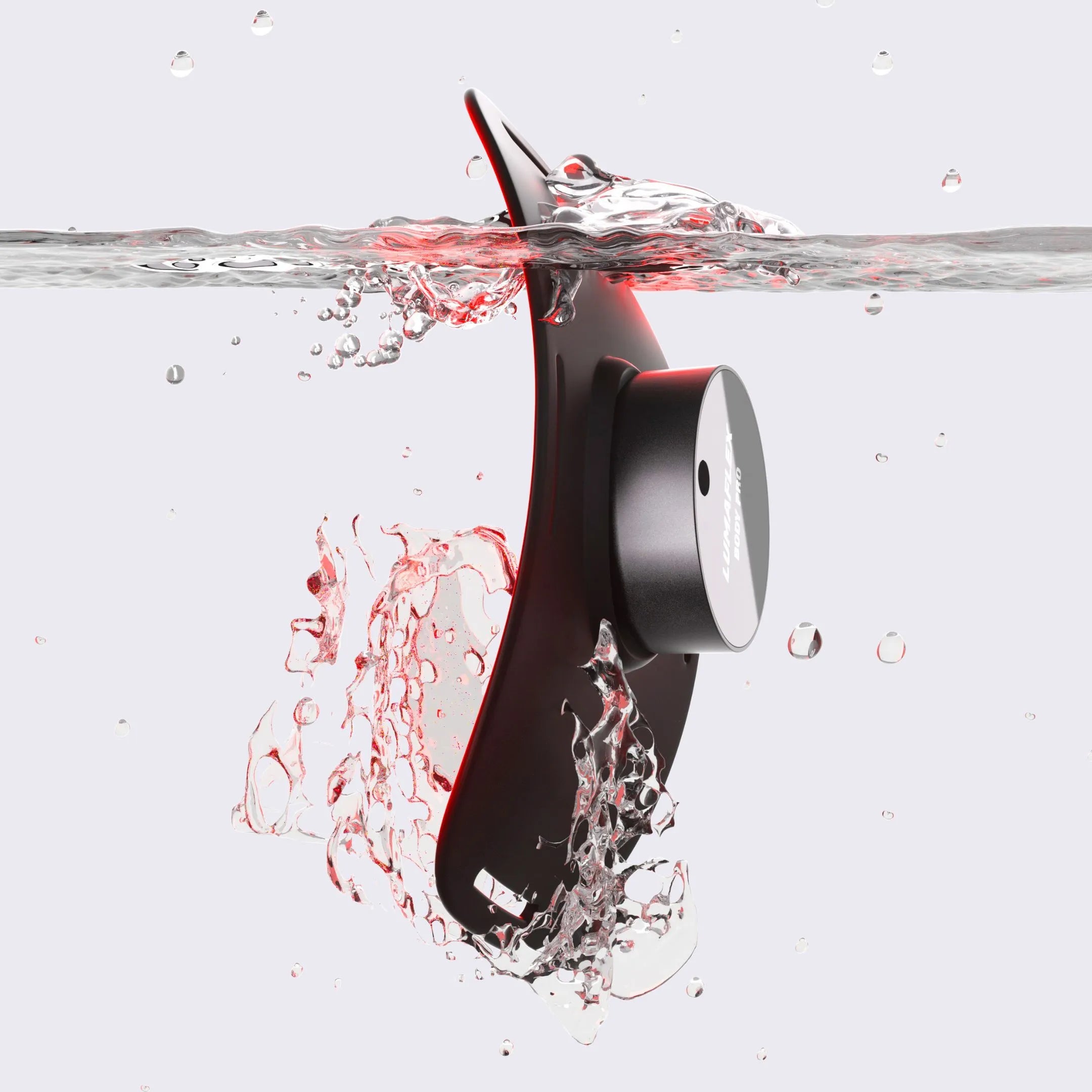
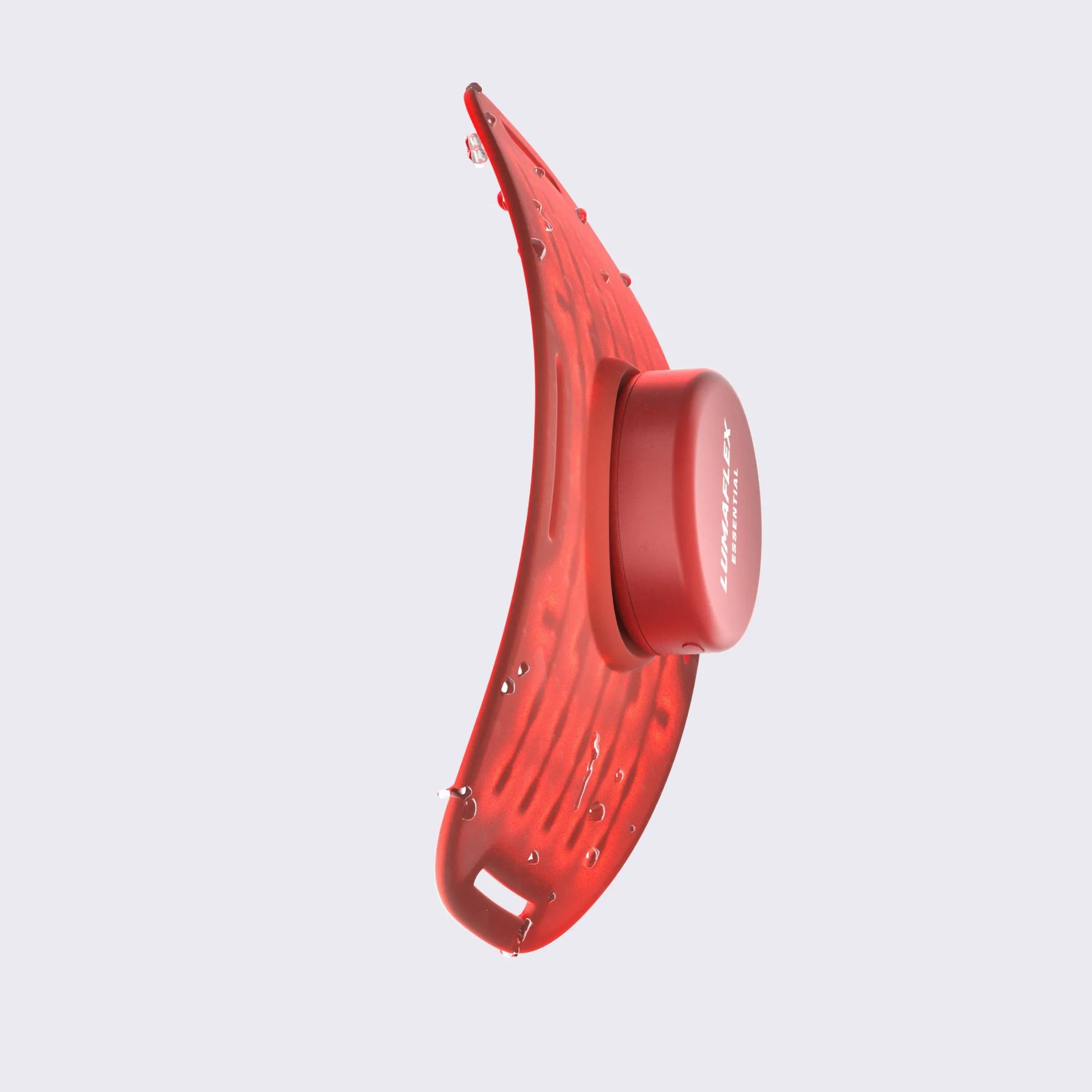
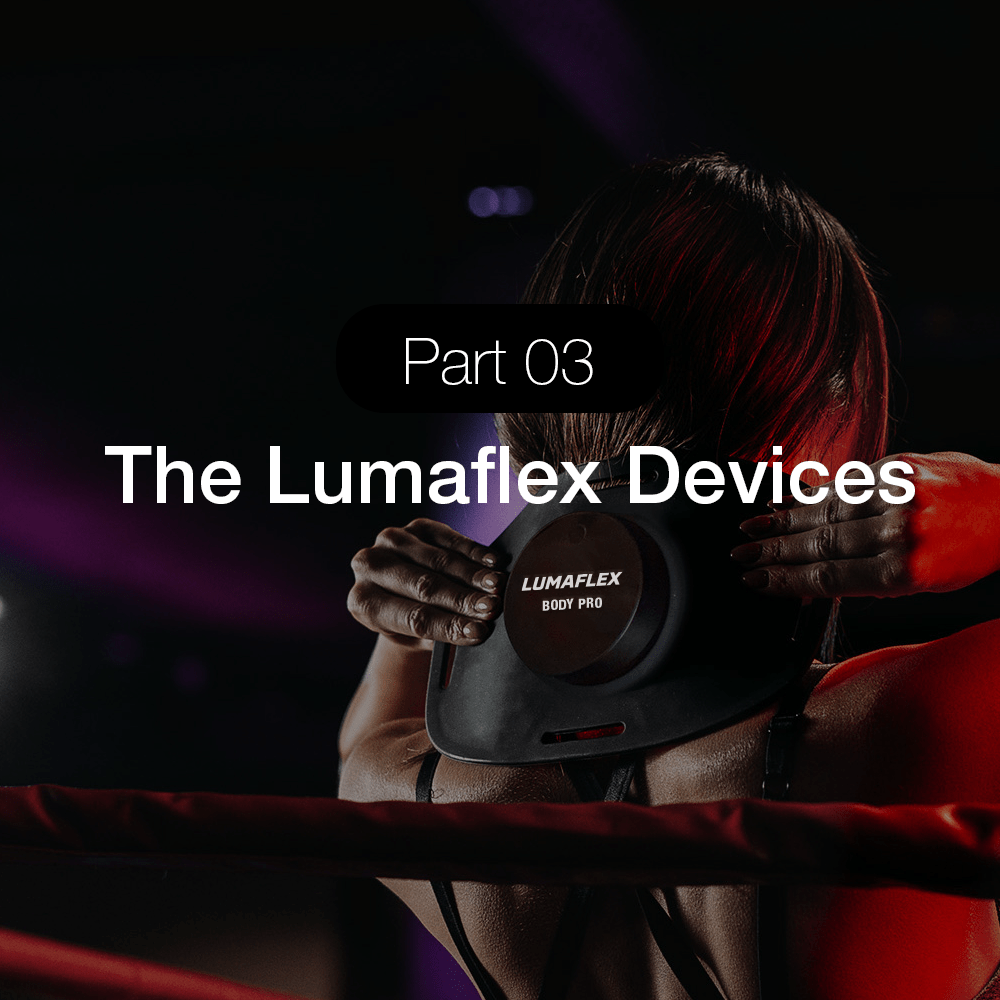
Out of the sea of existing devices, two top-of-the-art devices designed to treat athletes are the Lumaflex Body Pro and the Lumaflex Essential. These provide variable settings so users can easily create treatment programs using red light therapy for injuries and individual needs. The Lumaflex Body Pro also provides a large treatment surface area that would be perfect for more extensive areas but still enables red light therapy for injuries.
The Lumaflex Body Pro is much more compact and user-friendly than a unit tailored for treatments done in a mobile setting, and it is waterproof. The Lumaflex Body Pro and the Lumaflex Essential are fitted with light-emitting diodes that penetrate deep into the skin to provide light therapy to the cells.
These will help athletes in various ways: after training, to reduce muscle soreness and stiffness; during rehabilitation, to enhance the healing process; or even preemptively, to have an edge in their sport. The Lumaflex devices will, therefore, enable athletes to tinker with those parts of their bodies that may give them problems, thus hastening recovery and staying competitive.
Case Studies and Research: Evidence for Red Light Therapy in Sports Medicine
Several peer-reviewed studies support the use of LLLT for musculoskeletal injury recovery:
Tumilty et al. (2010) — Photomedicine and Laser Surgery reviewed 25 randomized controlled trials on LLLT for tendinopathy and found consistent evidence of pain reduction and improved function, particularly in Achilles tendinopathy and lateral epicondylitis (tennis elbow). The review concluded that LLLT is a clinically meaningful adjunct to rehabilitation when applied at the correct dose and wavelength.
Lam (2007) — Photomedicine and Laser Surgery conducted a randomized controlled trial with 39 participants diagnosed with lateral epicondylitis. The LLLT group reported significantly reduced pain and improved grip function compared to the control group, with improvements appearing within two to six weeks of consistent treatment.
Enwemeka et al. (2004) — Photomedicine and Laser Surgery reviewed the broader evidence for LLLT in wound and soft tissue repair, finding that light therapy can accelerate collagen synthesis and tissue tensile strength in injured tendons and ligaments — supporting its use in the recovery phase following sprains and strains.
What the evidence does and does not confirm: Studies consistently show that LLLT can reduce pain and support functional recovery in soft tissue injuries. Results vary depending on wavelength, dose, and injury type. It works best as a complement to structured rehabilitation — not as a replacement for loading and physical therapy, which are what actually rebuild tissue strength over time.
Optimizing Your Recovery: Integrating Red Light Therapy into Your Routine
To enhance recovery with Lumaflex, athletes should make red light therapy for injuries a crucial part of their recovery plan. Here are some valuable tips to add to your routine.
1. Be Consistent: Athletes who want to maximize the advantages of Red Light Therapy for injuries need to stick with it and be consistent. They should add sessions to their daily routine focusing on specific injuries or areas that need extra care.
2. Pick the Right Time: You can use red light therapy for injuries right after training to get the most out of it, stopping soreness and swelling before the workout starts. Some athletes use Red Light Therapy before training to warm up better and do well overall, and some use it while training as well.
3. Combine with Other Methods: Red Light Therapy for injuries should be used along with the usual recovery methods, such as physiotherapy, massage, and enough rest. This creates a complete plan to cover all bases for recovery.
4. Follow Guidelines: Every Lumaflex device has its own usage instructions. Players should learn these rules to get the best results in Red Light Therapy for injuries and avoid wasting time on treatments that do not work.
5. Track Progress: How long it takes to recover, how much it hurts, how your body reacts, and how you feel overall show how well Red Light Therapy for injuries is working for you. This means you might need to make some changes along the way.
How to Use Red Light Therapy for Injuries: Protocol Guide
Getting results from red light therapy requires more than consistency — it requires applying the right wavelength to the right area at the right time. Here is what the research and clinical use supports for injury recovery.
Wavelengths
- 630–660 nm (red light): Best for more superficial injuries — skin-level wounds, surface muscle soreness, and tendon insertion points close to the skin.
- 810–850 nm (near-infrared): Penetrates deeper into muscle, tendon, and joint tissue. This range is most relevant for the majority of sports injuries including sprains, strains, and tendinopathy.
- For most injury recovery, a device that delivers both wavelengths simultaneously provides the most complete treatment.
Session length and frequency
- Duration: 10–20 minutes per session on the target area
- Frequency: Daily during active recovery is appropriate; 4–5 sessions per week during maintenance
- Acute injuries (first 72 hours): use caution — avoid applying heat-generating devices directly to acutely inflamed tissue. Red light therapy does not generate heat, but confirm with your physiotherapist when to begin.
Timing relative to exercise
- Post-exercise is the most common protocol: apply after training to support tissue repair while the body's natural recovery processes are already active.
- Some athletes use red light therapy before training on chronically injured areas to improve circulation and reduce stiffness prior to loading.
Placement
- Cover the full area of injury, not just the most painful point. For tendon injuries, this includes the tendon body, its insertion point, and the surrounding muscle belly.
- For larger areas (hamstring, quadriceps, lower back), a device with a wide treatment surface reduces session time and improves coverage consistency.
Frequently Asked Questions
Does red light therapy help injuries heal faster?
Yes, within limits. Research shows it can reduce pain, support tissue repair, and improve function — particularly for tendon and soft tissue injuries. It works best as part of a broader recovery plan that includes rehabilitation and progressive loading. It should not replace physiotherapy.
How long does red light therapy take to work on an injury?
Most people notice meaningful changes within two to four weeks of consistent daily use. Acute soft tissue injuries typically respond faster than chronic tendinopathy, which can take eight to twelve weeks to fully recover regardless of treatment method.
What wavelength is best for injury recovery?
Near-infrared light in the 810–850 nm range penetrates deepest and is most effective for muscle and tendon injuries. Red light in the 630–660 nm range works well for surface-level tissue. Devices that combine both wavelengths provide the broadest coverage for sports injury recovery.
Can I use red light therapy every day on an injury?
Yes. Daily use during active recovery is generally appropriate. There is no evidence that daily use causes harm, and consistency is one of the key factors in achieving results. Follow the session length guidance for your specific device.
Is red light therapy better before or after exercise?
Post-exercise is the most commonly recommended timing for injury recovery — it supports tissue repair after the injury site has been under load. Pre-exercise use is sometimes used for chronic stiffness or to warm up a previously injured area, but post-exercise is the priority for healing.
Does red light therapy work for tendon injuries specifically?
Yes. Tendinopathy is one of the most studied applications of LLLT. Tendons have poor blood supply and heal slowly; red light therapy can improve local circulation and stimulate collagen production, both of which directly address the underlying mechanism of tendon injury.
The Future of Injury Recovery: A Brighter Outlook with Red Light Therapy
Science is still discovering the vast potential of red light therapy for injuries of athletes. Devices like Lumaflex help in recovery and assist an athlete in regaining confidence and staying competitive. The benefits of red light therapy for injuries in sports medicine are hard to deny, and the opportunities are mind-blowing. The accessibility improvement via technological innovations and the continuation of research to corroborate current understanding and possibly broaden the application of red light therapy across diverse therapeutic settings presents significant potential. Red Light Therapy for injuries may emerge as a pivotal strategy for athletes seeking to enhance performance outcomes in recovery and general physical fitness levels.
References
- Tumilty, S., Munn, J., McDonough, S., Hurley, D. A., Basford, J. R., & Baxter, G. D. (2010). Low level laser treatment of tendinopathy: A systematic review with meta-analysis. Photomedicine and Laser Surgery, 28(1), 3–16. https://doi.org/10.1089/pho.2008.2470
- Lam, L. K. Y. (2007). A randomized controlled trial of low level laser therapy for tennis elbow. Photomedicine and Laser Surgery, 25(2), 65–69. https://doi.org/10.1089/pho.2006.2047
- Enwemeka, C. S., Parker, J. C., Dowdy, D. S., Harkness, E. E., Sanford, L. E., & Woodruff, L. D. (2004). The efficacy of low-power lasers in tissue repair and pain control. Photomedicine and Laser Surgery, 22(4), 323–329. https://doi.org/10.1089/1549541041797832