Red Light Therapy for Bruises: Speedy Healing Solution
Red light therapy may help bruises heal faster by supporting reduced inflammation and improved circulation. While individual results vary, many people find bruises fade quicker when RLT is used consistently and correctly. Bruises are not pleasing to the eye and are painful, but now, with a new treatment involving red light, you may see your bruises disappear sooner. Red light therapy is now the latest non-invasive remedy for all sorts of bruising. Discuss how red light therapy for bruises can provide a speedy healing solution.
Table of content
The Science Behind Red Light Therapy for Bruises
Bruises are increasingly being treated with red light therapy, which uses light to facilitate the body's healing process.

Increasing Blood Flow and Reducing Inflammation
When there is a bruise, the region covered by the skin experiences less blood and inflammation. Red light therapy for bruises helps fully utilize body healing.
Red light can be absorbed deep into the skin. It triggers a series of events in cells. This includes:
- More ATP, which provides cells with energy and makes them work better.
- Blood flow is better, bringing necessary nutrients to the hurt area.
- The swelling decreases by controlling the inflammation.
Red light therapy for bruises accelerates healing, making bruises less painful and shorter-lived.
The science behind red light therapy for bruises shows how powerful our healing is. It helps people use it wisely in their recovery process.
Red Light Therapy for Bruises
Red light therapy is commonly used to support the body’s natural bruise-healing process by improving circulation and encouraging cellular activity in the affected area. While it does not eliminate bruises overnight, consistent use may help the skin recover more efficiently and comfortably.
Supporting Cellular Repair After Impact
Bruises form when small blood vessels break beneath the skin. Red light therapy works at the cellular level by stimulating mitochondrial activity, which may support tissue repair in the surrounding area. This process can help damaged cells recover more efficiently as the bruise heals.
Encouraging Healthy Blood Flow and Oxygen Delivery
Improved circulation is one of the key mechanisms behind red light therapy. By increasing localized blood flow, red light may help the body reabsorb trapped blood more effectively, which can contribute to faster visual improvement over time.
Helping Reduce Inflammation and Tenderness
Inflammation often contributes to soreness and discoloration after an injury. Red light therapy is frequently used to support the body’s natural inflammatory response, which may help reduce tenderness and swelling associated with bruises.
Supporting Natural Bruise Color Fading
As bruises heal, they typically change color as hemoglobin breaks down and is reabsorbed. By supporting circulation and tissue recovery, red light therapy may help this process progress more smoothly, leading to a more gradual and even fade in appearance.
Red Light Therapy for Bruises
Red light therapy supports bruise healing at different stages. While results vary depending on severity, location, and individual response, here’s a general timeline:
0–24 Hours: Gentle circulation support begins. Red light helps reduce initial inflammation and promotes oxygen delivery to damaged tissues.
Day 2–4: Inflammation continues to decrease. Bruise color may start fading, and tenderness often reduces.
Day 5–7+: Continued tissue repair. Bruise coloration gradually normalizes, swelling subsides, and pain diminishes.
Week 2+: Long-term recovery. Skin and underlying tissues strengthen, and bruises typically resolve completely.
Signs you may notice improvement:
Reduced pain or tenderness
Decreased swelling
Fading of purple or blue discoloration
Improved skin elasticity and comfort
Red light therapy accelerates the natural healing process, helping bruises resolve faster than the body would on its own.
Choosing the Right Red Light Therapy for Bruises Device

Choosing a proper red light device for bruises is important. Not every light device is the same, and it will make all the difference for your treatment. Let's consider what one should look for when selecting the best red light therapy device to assist in bruise recovery.
Factors to Consider When Choosing a Device
It is not easy to find a suitable device for red light therapy. You would not be very drastic if you pointed out some crucial points. Here are the significant things that you must look at in this case:
Power Output: Power output definitely affects the general intensity of red light therapy. Better treatment usually has a greater power output, but comfort must be considered.
Coverage Area: The size of a bruise would require an appropriate device coverage area. Large devices are ideal for big bruises, and small devices are perfectly suitable for slight bruises.
Portability: This should be one of the features if you rarely stay in one place. It would be too convenient to treat bruises with a handheld or even a wearable device.
Ease of use: A device that is very easy to use certainly goes a long way. Thus, choose one with easy instructions and easy-to-use controls. That way, you can easily fit red light therapy into your busy schedule.
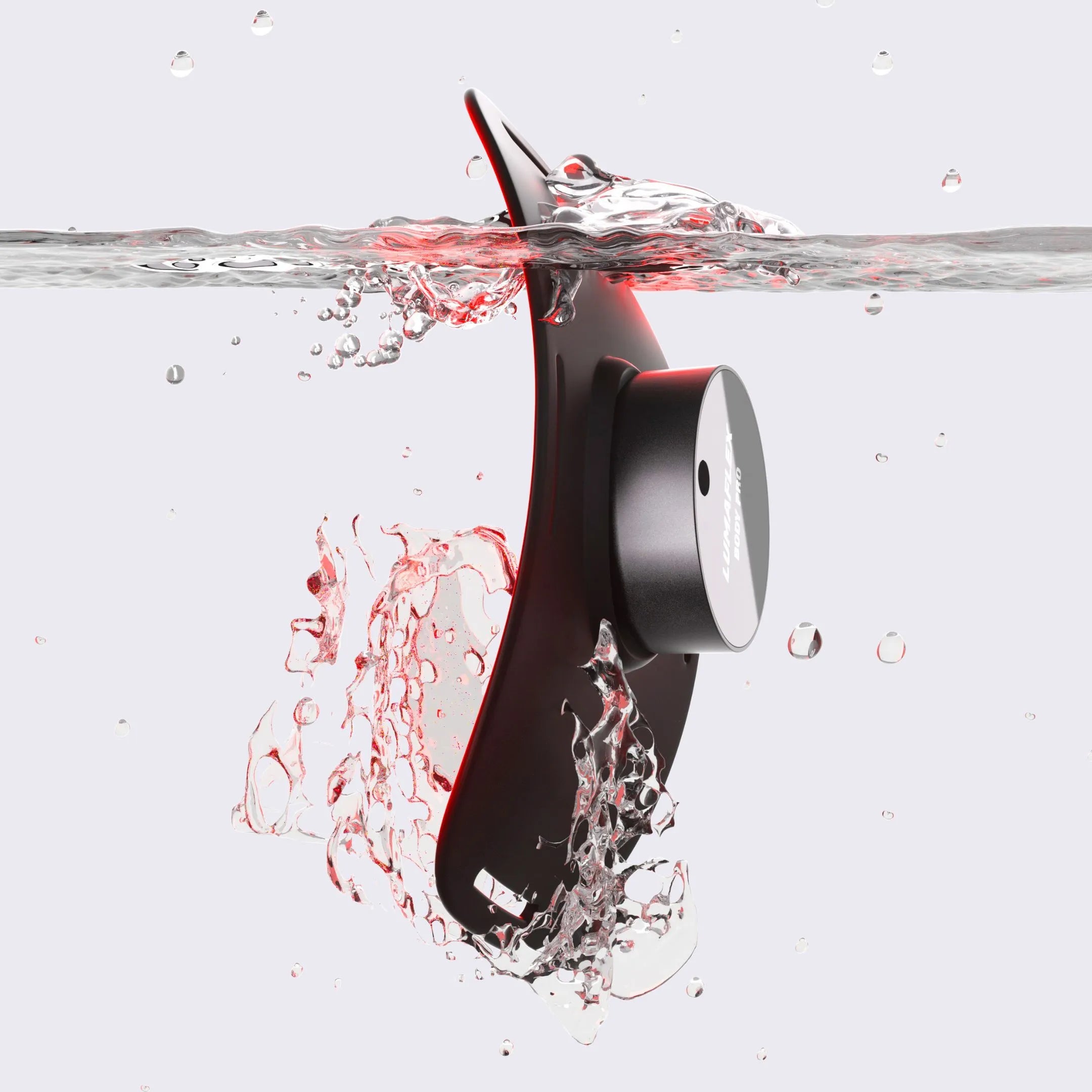
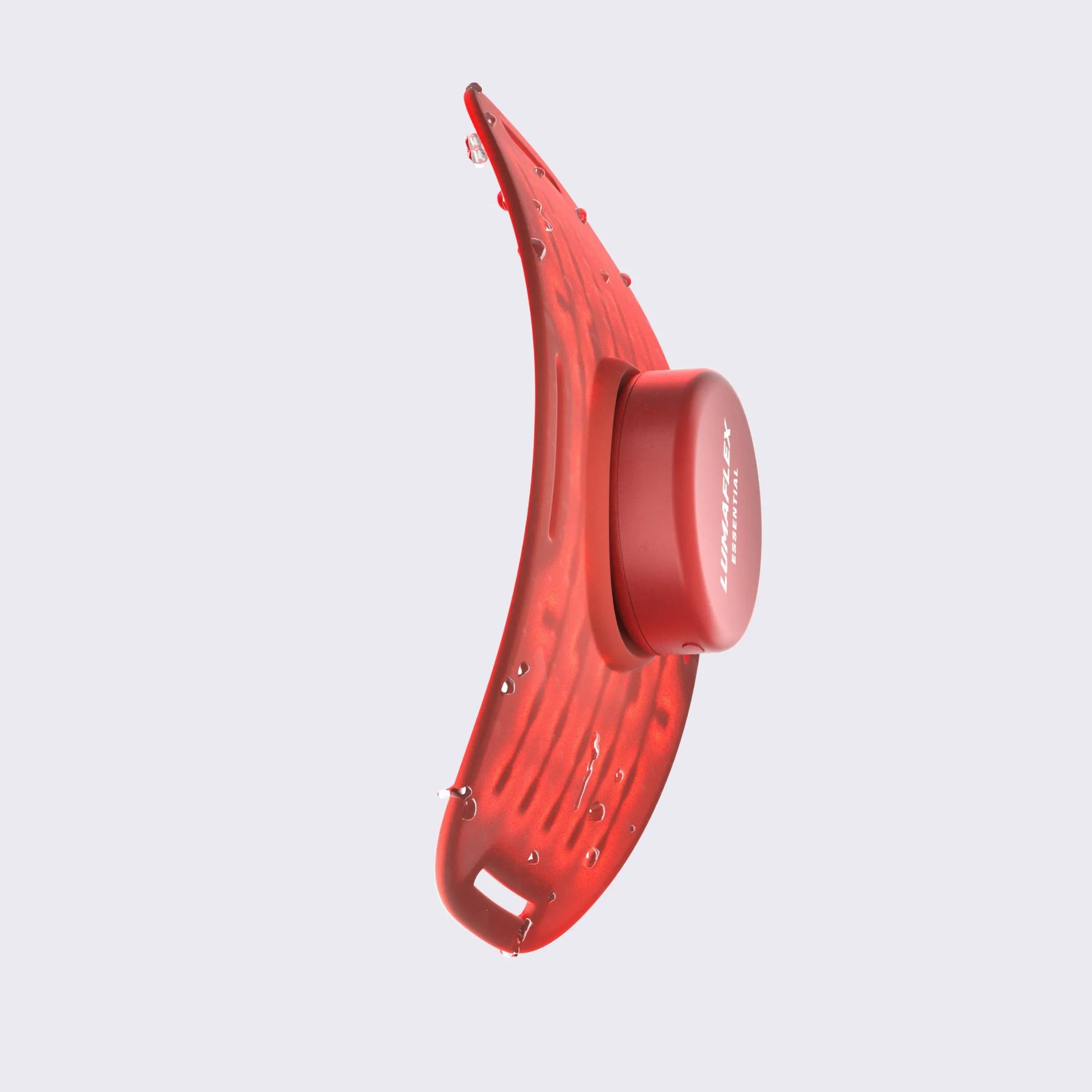
Brand reputation: Take a company known for its quality, such as Lumaflex. Reputation is only achieved by customers' continued satisfaction with good product quality.
If you consider all these factors, you'll be sure to find the best red light therapy for bruises device to help you recover from this bruise as soon as possible.
Using Red Light Therapy for Bruises Treatment
Red light therapy aids in eliminating pesky bruises by employing light to accelerate healing and dim the marks. Here is how to incorporate it into your treatment process.
Proper Application Techniques
To fully utilize red light therapy, follow these steps:
- Clean the affected area and dry it before proceeding
- Position the Lumaflex machine at about 6 to 12 inches above the bruise
- Leave the bruise under the light for 10 to 20 minutes.
- Administer: Do this 1-2 times daily, as your doctor advises.
- Consistency is vital. Better take on this schedule for best effects.
Achieving Optimal Results with Red Light Therapy for Bruises
Some suggestions for optimal benefits:
- Combine with other treatments: Use treatment with either ice or a compression wrap with red light therapy.
- Monitor your healing: See how your bruise changes over time.
- Consult an expert: Consult a doctor or physician if you have any concerns
With these tips and red light therapy, you will heal from bruising much more efficiently and be able to feel well again sooner.
Red Light Therapy vs. Other Bruise Treatments
Red light therapy is a new way to treat bruises. It is compared with other ordinary treatments to determine its effectiveness and safety.
Comparing the Effectiveness of Red Light Therapy for Bruises
Red light therapy helps bruises heal faster. It increases blood flow, cuts down on swelling, and allows bruises to heal up to twice as fast.
Ice packs and over-the-counter drugs can help ease the situation a little. However, it has nothing on red light therapy regarding speed.
Lumaflex is one of the best devices for red light therapy. It provides focused and steady light, which makes it even more effective when treating bruises.
Assessing the Safety of Red Light therapy for Bruises
Red light therapy is safe and painless. Side effects are very minimal.
There are also other dangerous prescription drugs. Self-medication may provoke unfavorable side effects, such as nausea or allergic reactions.
Ice packs or compressions may be applied safely. Still, they are inconvenient and may be painful when misused.
Red light therapy is a good remedy for bruises since it has shown effectiveness and safety.
Incorporating Red Light Therapy for Bruises into Your Recovery Plan
Treating bruises well requires applying an entire regime. Red light treatment heals faster and decreases swelling. It couples very well with other therapies to enhance healing.
For you to integrate red light treatment in the healing process, follow these steps:
- Rest and Elevate - Rest and elevate the area to aid circulation and reduce swelling.
- Apply Cold Therapy - Cold packs or ice alleviate pain and swelling.
- Use Red Light Therapy—Use a device, such as a Lumaflex red light therapy, to aid in the quicker healing of cells.
- Maintain Anti-Inflammatory Measures - Adopt anti-inflammatory supplements or meds as your doctor prescribes.
- Gradually introduce movement - Stretch and exercise the area as it heals to regain strength and mobility.
Adding red light therapy for bruises to an effective program creates a powerful recovery plan. It allows you to return to your active life faster and hassle-free.
So, imagine a soothing environment pictured in a scene where a person is lying comfortably on a treatment table, softly illuminated by red light therapy panels. Focus on a visibly bruised arm to be targeted by red light treatment, and surround it with colors and natural elements for a healing atmosphere.
Consistency is the key to red light therapy. Stick to the schedule, be patient, and reap the rewards gradually. With a proper recovery plan, you'll heal well and return to being your best self.
Frequently Asked Questions About Red Light Therapy for Bruises
How does red light therapy help bruises heal faster?
Red light stimulates cellular repair, increases blood flow, and reduces inflammation. This accelerates the natural healing process of bruised tissues.
Can red light therapy reduce bruise discoloration?
Yes. By improving circulation and promoting tissue repair, red light therapy can help bruises fade faster, reducing purple or blue hues.
How long does it take for bruises to improve with red light therapy?
Results vary, but many users notice reduced pain and swelling within 24–48 hours. Visible fading often occurs within 5–7 days.
Can I use red light therapy on all types of bruises?
Red light therapy is generally safe for mild to moderate bruises. Avoid broken skin or severe contusions without consulting a healthcare professional.
How often should I use red light therapy on a bruise?
Most people see benefits with daily sessions of 10–20 minutes, depending on the device and bruise severity.
Is red light therapy safe for sensitive areas like under the eyes or near joints?
Yes, when used according to manufacturer guidelines. Always avoid direct eye exposure and start with shorter sessions for sensitive areas.
Can red light therapy replace ice or traditional bruise treatments?
No. Red light therapy is a complementary method. You can combine it with traditional care like gentle compression or rest for best results.
Precautions and Side Effects of Red Light Therapy for Bruises
Red light therapy for bruises is typically very safe and very popular. Of course, as with all treatments, there are precautions and possible side effects. Lumaflex designed this red light therapy device with safety in mind. Nevertheless, users must exercise caution when using it.
Photosensitivity-the skin is hypersensitive to light. Discuss Lupus and other porphyrias with the doctor before seeking artificial exposure. Medications, too, sometimes cause photochemistry in the skin; those on certain medications should monitor responses.
You must follow carefully what the manufacturer has instructed regarding red light therapy. Overexposure may often lead to mild side effects such as redness or warmth. So, it would be best, to begin with short sessions and then increase them gradually as the skin becomes accustomed to it.