Can Red Light Therapy Help HYROX Recovery?

Red light therapy may help with some measures of muscle soreness and muscle-performance recovery, but current research does not show that it improves HYROX race times or running performance. For HYROX athletes, photobiomodulation (PBM) is best viewed as an optional recovery adjunct—not a replacement for structured training, sleep, nutrition, hydration or load management.
A hard HYROX session does not end when the clock stops. The next challenge is being recovered enough to train well again. HYROX combines eight 1 km runs with eight functional stations, including the SkiErg, sled push, sled pull, burpee broad jumps, rowing, farmers carry, sandbag lunges and wall balls.
That repeated pattern creates a practical recovery question: could PBM help an athlete manage some soreness or regain muscle performance between demanding sessions? The evidence is promising in places, but it is not HYROX-specific proof.
- 1. Does red light therapy help with HYROX recovery?
- 2. Why is HYROX so demanding on recovery?
- 3. What is photobiomodulation, and how does red light therapy work?
- 4. Can red light therapy reduce muscle soreness after training?
- 5. Does red light therapy improve athletic performance?
- 6. Is HYROX different from a running race?
- 7. Can red light therapy help between HYROX training sessions?
- 8. Should you use red light therapy before or after HYROX training?
- 9. Is whole-body red light therapy better for HYROX athletes?
- 10. Where does LumaFlex fit into HYROX recovery?
- 11. What can a HYROX athlete reasonably expect from red light therapy?
- 12. Is red light therapy safe to use while training for HYROX?
- 13. People Also Ask: Red Light Therapy and HYROX
- 14. Where Red Light Therapy Fits in HYROX Training
- 15. References
Does red light therapy help with HYROX recovery?
PBM has been studied in exercise and recovery, and some findings are encouraging. At the same time, the studies use different devices, wavelengths, doses, treatment locations, timings and exercise protocols. Results from an isolated muscle test do not automatically translate into a faster HYROX race.
The most credible way to think about PBM is as a possible adjunct to recovery, not as a replacement for programming, sleep, nutrition, hydration or sensible load management. As of this review, the evidence identified here does not include a clinical trial showing that a LumaFlex device changes HYROX race outcomes.
Why is HYROX so demanding on recovery?
HYROX asks the body to repeat a demanding pattern: produce force under fatigue, transition quickly, and then run again. A training week may combine intervals, compromised running, heavy lower-body strength work, sled practice, lunges, carries and high-repetition conditioning.
That combination can create several overlapping sources of fatigue. Running adds impact and repeated contractions. Sled work and carries demand force production. Lunges, burpees and wall balls add lower-body loading while the athlete is already tired. Hard sessions may also produce exercise-induced muscle damage, with soreness that becomes more noticeable in the hours after training and can affect the next workout.

For that reason, recovery is not separate from performance preparation. It is part of the training cycle:
| Training cycle | The athlete’s practical question |
| Hard session | Did I create the intended training stimulus? |
| Fatigue and soreness | What is limiting my next session? |
| Recovery | What supports a safe return to quality training? |
| Next session | Can I execute the work rather than simply survive it? |
| Adaptation | Did the full week move me forward? |
The question for PBM is therefore not “Does red light make me an athlete?” It is: Could it make some aspects of the recovery stage easier?
What is photobiomodulation, and how does red light therapy work?
Photobiomodulation uses red and/or near-infrared light directed at tissue. The research literature describes proposed biological effects involving cellular energy production, oxidative stress, blood flow and tissue responses. These mechanisms are scientifically interesting, but a mechanism is not the same as a guaranteed outcome on the race floor.
In practical terms, PBM is a light-based intervention that may be applied to a specific body area before or after exercise. Its effect depends on the details of the protocol, including wavelength, irradiance, energy dose, treatment area, timing and the characteristics of the device.
“Red light therapy” is not one standardized intervention, and a result from one protocol cannot automatically be applied to every device or every athlete.
Can red light therapy reduce muscle soreness after training?
A 2025 systematic review and meta-analysis examined PBM alongside other recovery modalities in healthy adults. Across 19 studies involving 672 participants, the authors reported low-certainty evidence that PBM applied before exercise reduced muscle soreness. They also concluded that PBM applied before exercise increased muscle performance at 24 hours after exercise-induced muscle damage.
A separate 2025 systematic review focused specifically on delayed-onset muscle soreness, or DOMS. Four studies provided sufficient data for quantitative synthesis. The analysis found statistically significant reductions in soreness at 72 and 96 hours, and improvements in muscle strength at 24 and 48 hours. However, the review included only a small quantitative evidence base, and the protocols varied in wavelength, treatment points and application details.
The sensible interpretation is not that PBM eliminates DOMS. It is this:
There is a plausible recovery signal, but the evidence is not strong or consistent enough to treat red light therapy as a guaranteed solution for post-training soreness.
A reduction in soreness in a controlled study may be meaningful, but it does not prove that the athlete will run faster, lift more, or recover in time for every demanding session.
Does red light therapy improve athletic performance?
Some earlier reviews and controlled exercise studies have reported improvements in selected performance measures, including muscular endurance or time to exhaustion in particular exercise modes. Those findings are part of why PBM has attracted attention in sport.
But the evidence becomes less convincing when the outcome is running performance. A 2024 meta-analysis of 12 randomized controlled trials found no significant benefit of PBM for running performance measured by time trials or time to exhaustion. The authors also found no clear effect whether PBM was used alone or alongside training, and no dose-response effect in their analysis.
That is directly relevant to HYROX because running represents half of the repeated race sequence. The research does not establish that applying PBM will improve a HYROX athlete’s running pace, 1 km splits, VO2 max or race time.
A careful summary is therefore:
PBM may influence some measures of muscular recovery or endurance in certain settings, but current evidence does not establish that it improves running performance.

Is HYROX different from a running race?
It would also be a mistake to treat HYROX as a standard running study with a few exercises added. The race combines running with functional stations in a fixed, repeated sequence.
A study on cycling time to exhaustion does not tell us what happens when an athlete runs after a sled push. A study measuring isolated knee-extension strength does not tell us what happens during wall balls at the end of a race. A soreness study does not tell us whether an athlete’s pacing, transitions or race-day decision-making will improve.
This is the central evidence gap: there is no sound basis for claiming that red light therapy improves HYROX race times. Findings from unrelated exercise protocols may help explain why PBM is being investigated, but they cannot be presented as HYROX-specific proof.
Can red light therapy help between HYROX training sessions?
An athlete may not need PBM to make today’s workout faster. The more interesting possibility is whether reducing some soreness or supporting the return of muscle performance could help the athlete approach the next session feeling better prepared.
Training consistency still depends primarily on the fundamentals: an appropriate program, adequate sleep, sufficient nutrition, hydration, rest and load management. If an optional recovery modality is used, it should support those foundations rather than compete with them.

The hierarchy is straightforward:
| Priority | What it means in practice |
| Training programming | Progress load, intensity and volume deliberately. |
| Sleep | Treat sleep as part of the training plan, not an afterthought. |
| Nutrition and hydration | Support the work and the recovery demands it creates. |
| Rest and load management | Adjust training when fatigue or pain is accumulating. |
| Rehabilitation | Get appropriate assessment for persistent or significant symptoms. |
| Optional modalities | Consider PBM as an adjunct, with realistic expectations. |
Should you use red light therapy before or after HYROX training?
Timing is one of the first questions athletes ask, but the research does not support a universal “best time” rule for every device.
The 2025 Canez review reported a soreness benefit when PBM was applied before exercise. The DOMS review by Tsou and colleagues examined PBM applied after DOMS was induced and reported improvements at selected time points, but only a subset of studies contributed to the pooled analysis.
Protocols also differ by wavelength, dose, irradiated muscle, device, treatment duration and exercise model. As a result, timing should follow the instructions and evidence relevant to the specific device rather than a generic internet protocol.
For a HYROX training block, the most defensible framing is:
•Before training: a research-supported area of interest, particularly for protocols that investigate soreness or performance after exercise.
•After training: commonly considered for recovery, but outcomes remain protocol-specific and variable.
•On race day: do not assume that PBM guarantees better performance. Race-day use should be familiar, comfortable and consistent with the device instructions—not an experiment made under pressure.
Is whole-body red light therapy better for HYROX athletes?
Another important distinction is the difference between localized PBM and whole-body PBM. A device applied to a particular muscle group is not equivalent to a claim that whole-body light exposure improves recovery throughout the body.
A 2025 systematic review of whole-body PBM identified only five studies among 193 screened, representing 105 physically active participants. Two studies reported better sleep-related outcomes, but none reported benefits for exercise performance or fatigue biomarkers. The review concluded that whole-body PBM may improve sleep quality, while evidence for exercise recovery and performance was not established.
That means the following statements should not be treated as interchangeable:
| Evidence statement | What it does not prove |
| Localized PBM has been studied for muscle soreness and recovery. | That whole-body PBM improves HYROX recovery. |
| Some protocols report changes in selected performance measures. | That a particular device improves race times. |
| Some whole-body studies report sleep-related findings. | That better sleep automatically produces better HYROX performance. |
Where does LumaFlex fit into HYROX recovery?
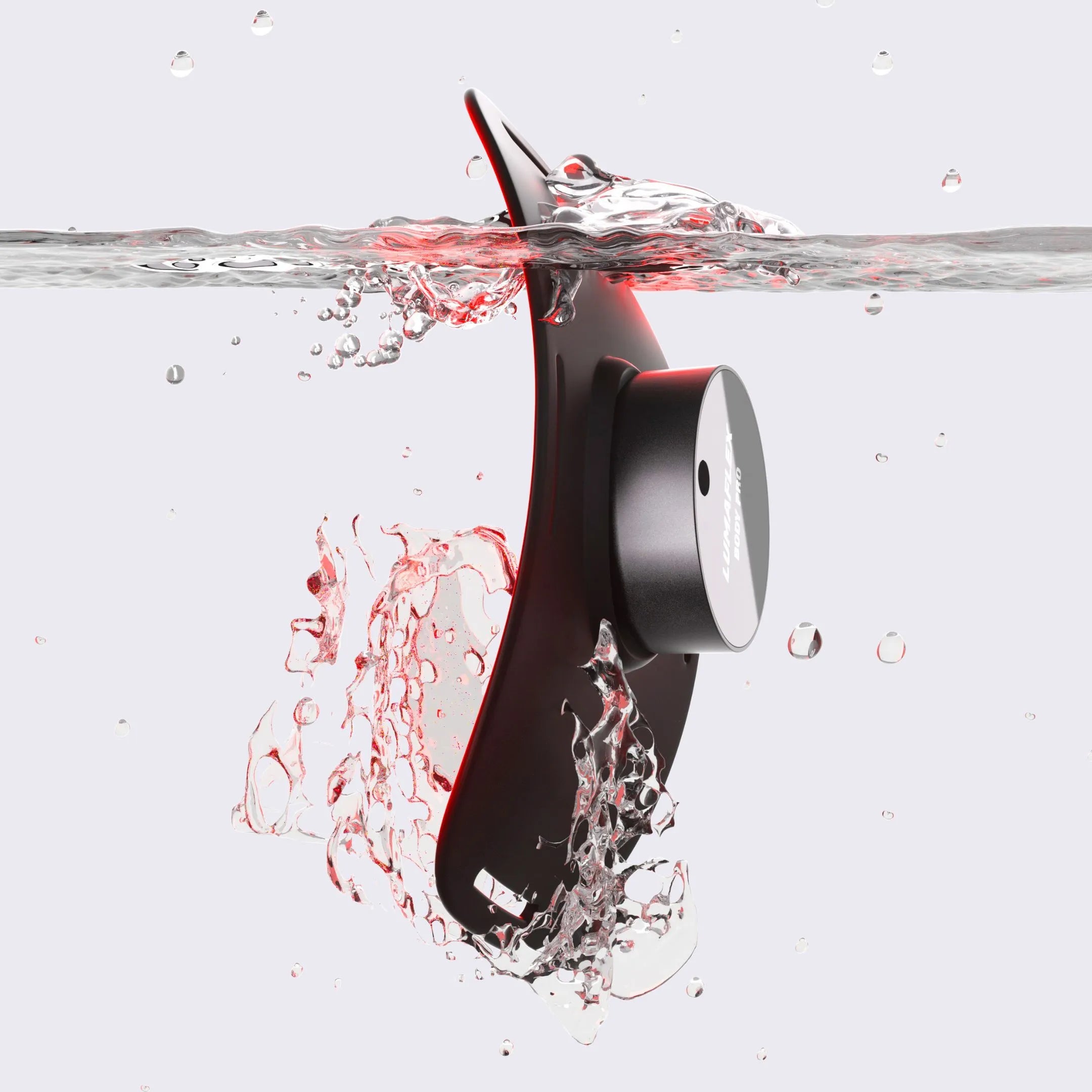
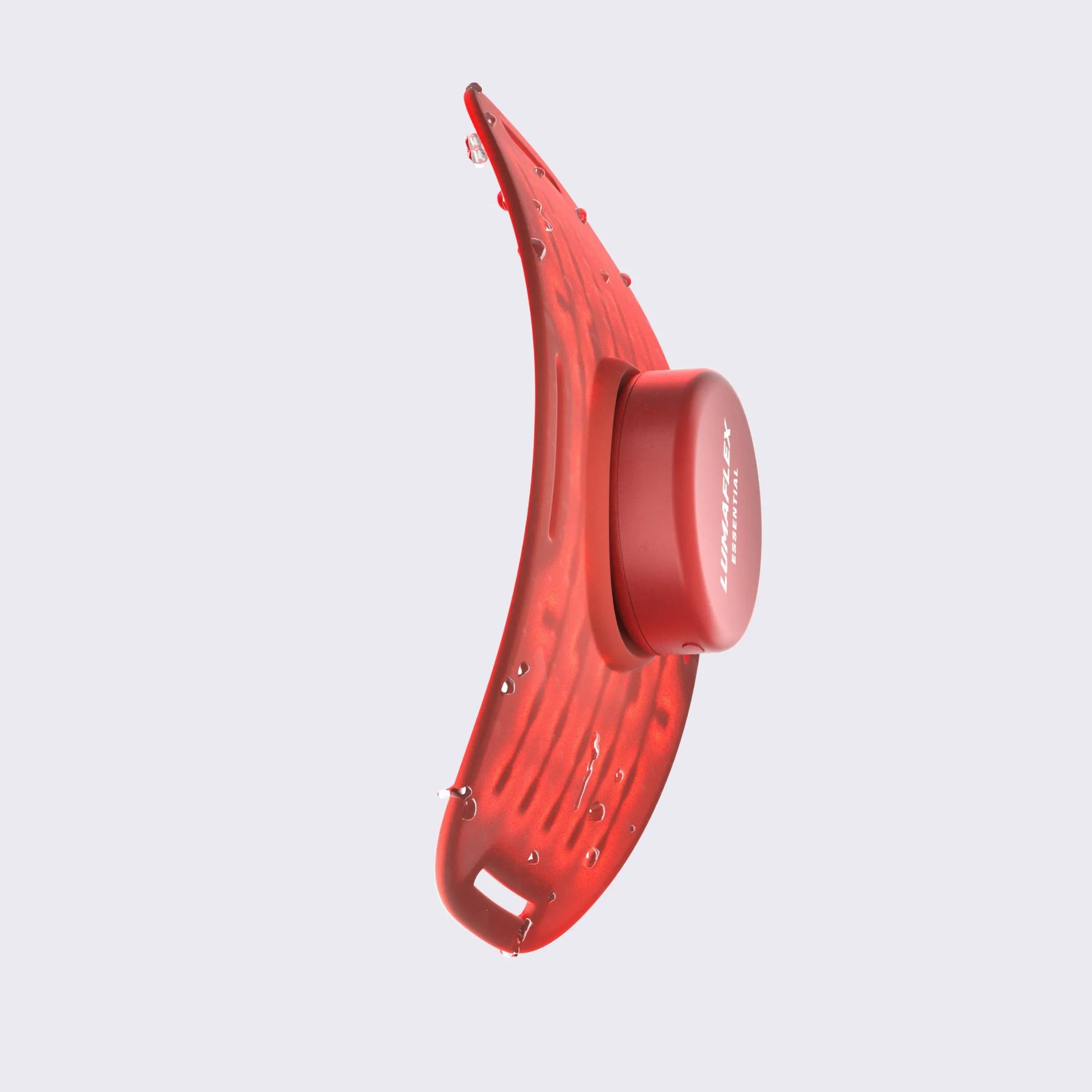
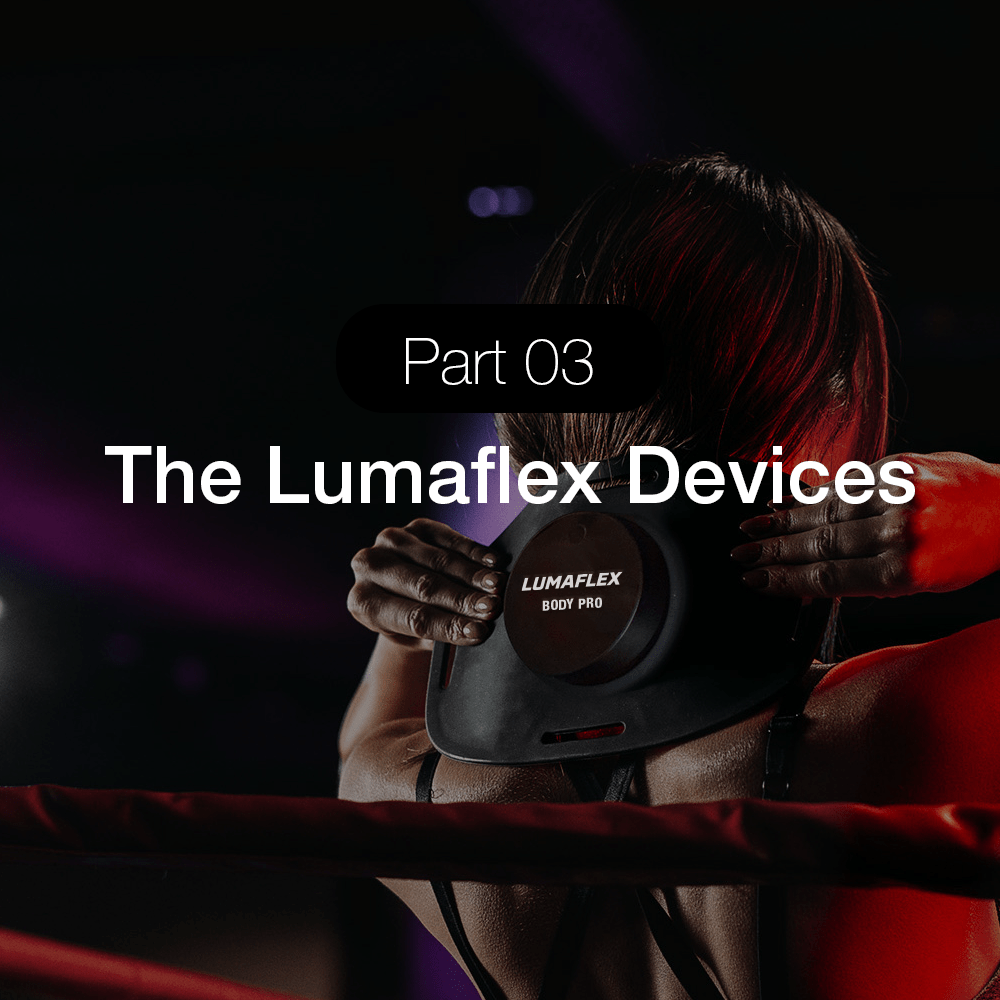
If you are already following a structured HYROX plan, sleeping adequately, eating and hydrating well, a portable PBM device may be one additional recovery tool worth exploring. Lumaflex’s Body Pro Kit is designed for portable, targeted use rather than as a substitute for the fundamentals of training and recovery.

Lumaflex lists the Body Pro Kit as using 630 nm red light and 850 nm near-infrared light. The published specifications list red irradiance of 45 mW/cm², near-infrared irradiance of 30 mW/cm², and total output of 75 mW/cm². Lumaflex also lists the device as app-controlled, IP67 waterproof and supplied with a spare battery.
Those specifications describe the device; they do not, by themselves, prove a specific HYROX outcome. Treatment duration, placement and frequency should be based on the current Lumaflex instructions and any device-specific evidence. The Body Pro Kit may be considered for practical, targeted use around areas that receive repeated training load, but it should not be used to mask pain that may indicate an injury. Lumaflex’s current product labeling and user manual should take precedence over this article.
What can a HYROX athlete reasonably expect from red light therapy?
The most useful way to communicate the evidence is by confidence level.
| Level of confidence | Reasonable interpretation |
| Some support | PBM may reduce certain measures of exercise-related muscle soreness and may support recovery of muscle performance in some settings. |
| Plausible, but not HYROX-proven | An athlete may find it useful as part of a broader recovery routine between demanding sessions. This is a practical inference, not a demonstrated HYROX outcome. |
| Not established | PBM has not been shown here to improve HYROX race times, running performance, VO2 max, strength, injury prevention or the ability to train harder without consequences. |
The goal is calibration, not cynicism. A recovery tool does not need to make you faster immediately to be worth investigating. But it should earn its place through realistic expectations and careful observation—not through promises the research cannot support.
Is red light therapy safe to use while training for HYROX?
Follow the device’s instructions and do not assume that more light, more time or more frequent treatment is automatically better. Use eye protection when required by the device guidance, and avoid looking directly into bright LEDs.
Do not use PBM to push through sharp, persistent or worsening pain. Soreness after training and pain from an injury are not the same thing. Seek assessment for significant or persistent symptoms, and follow medical advice if you have a relevant condition or take medication that may affect whether PBM is appropriate.
People Also Ask: Red Light Therapy and HYROX
Does red light therapy help with HYROX recovery?
It may help with some measures of muscle soreness or muscle-performance recovery in certain research settings, but there is not enough evidence to conclude that it improves HYROX recovery or race performance specifically.
Can red light therapy reduce muscle soreness after HYROX training?
Research reviews have reported reductions in soreness at selected time points, including findings for DOMS. The evidence is limited and protocol-dependent, so it is more accurate to say PBM may reduce some soreness than to say it eliminates DOMS.
Should I use red light therapy before or after HYROX training?
Both timings have been studied. One recent meta-analysis found a soreness benefit when PBM was applied before exercise, while other research has examined post-exercise use. Because protocols vary, follow the instructions for the specific device and avoid assuming that one timing rule applies universally.
Does red light therapy improve running performance?
A 2024 meta-analysis of 12 randomized controlled trials found no significant improvement in running performance measured by time trial or time to exhaustion. Current evidence does not support promising faster HYROX running splits.
Can red light therapy improve athletic performance?
Some studies report benefits for selected exercise outcomes, but results vary by exercise mode and protocol. Evidence for running is not convincing, and there is no direct basis for claiming improved HYROX times.
Can I use red light therapy every day while training for HYROX?
Do not create a daily schedule solely from general fitness advice. Use the device according to its current instructions and consider your overall training load. If you are dealing with persistent pain, unusual fatigue or a suspected injury, seek professional guidance rather than increasing recovery-tool use.
Is whole-body red light therapy better for athletes?
Not on the current evidence. A 2025 review found no established benefits of whole-body PBM for exercise performance or recovery biomarkers, although some studies reported possible sleep-related effects.
Where Red Light Therapy Fits in HYROX Training
Red light therapy is more interesting as a potential recovery tool than as a proven performance enhancer for HYROX.
The research offers a reason to remain curious: some PBM protocols have been associated with less soreness or better recovery of muscle performance. But the research also sets clear boundaries. There is no strong evidence that PBM improves HYROX race times, and a running-performance meta-analysis found no significant benefit.
Use the fundamentals first. Then, if a portable PBM device fits your routine, treat it as an optional adjunct and judge it by realistic standards. The objective is not to replace the work. It is to support a training process that is already built on sound programming, recovery and consistency.
Medical review note: This draft is educational content, not medical advice. It should be reviewed by a qualified clinician and by LumaFlex’s regulatory/medical reviewer before publication. Product claims should be checked against the current device labeling and user manual.
References
[1] HYROX — The Fitness Race
[2] Canez et al. Effects of photobiomodulation, intermittent pneumatic compression and neuromuscular electrical stimulation on muscle recovery: Systematic review with meta-analysis. Journal of Bodywork & Movement Therapies. 2025.
[3] Tsou et al. Effects of Photomodulation Therapy for Delayed Onset Muscle Soreness: A Systematic Review and Meta-Analysis. Journal of Functional Morphology and Kinesiology. 2025.
[4] Do Nascimento et al. A Meta-Analysis of Randomized Controlled Trials on the Effects of Photobiomodulation Therapy on Running Performance. International Journal of Exercise Science. 2024.
[6] LumaFlex — The Body Pro Kit product page and published specifications.