Red Light Therapy for Tennis Elbow: Study-Backed Guide

Red light therapy for tennis elbow has become a solid option for easing pain without putting more strain on the joint. Research on low-level laser therapy (LLLT) suggests it can support tendon healing and help calm pain signals, particularly when used alongside structured rehab. It is not a standalone treatment, but the evidence points to meaningful benefits when applied consistently as part of a full recovery plan.
- 1. What Is Tennis Elbow (Lateral Epicondylitis)?
- 2. Why Tennis Elbow Is Difficult to Heal
- 3. What Does Research Say About Red Light Therapy for Tennis Elbow?
- 4. How Red Light Therapy May Help Tennis Elbow
- 5. Practical Guide — Using Red Light Therapy for Tennis Elbow
- 6. Can Red Light Therapy Replace Physiotherapy?
- 7. How Long Does It Take to Recover?
- 8. Returning to Sport After Tennis Elbow
- 9. Key Takeaways on Red Light Therapy for Tennis Elbow
- 10. Frequently asked questions (FAQs)
- 11. References
What Is Tennis Elbow (Lateral Epicondylitis)?
Tennis elbow occurs when the extensor tendon becomes inflamed due to repeated stress to its attachment point on the lateral epicondyle of the elbow joint. Tennis elbow typically develops gradually and not suddenly. While it can be seen in tennis, it is also commonly found in golfers, weight lifters, and office workers.
Why It’s Not Actually “Inflammation”
“Tennis elbow” is typically referred to as “tendinitis,” but this is incorrect, as the condition is not caused by inflammation, although the suffix does imply this. Tendinosis is a more suitable term for this ailment, as it denotes wear and tear of the tendon over time. Continuous stress leads to damage in the collagen, and repair is unable to occur because the tissue heals slowly due to poor blood supply.

Symptoms and Functional Limitations
The first thing most people notice with tennis elbow is the nagging pain on the outside of the elbow, especially when gripping or lifting. Even small things like holding a coffee cup, turning a doorknob, or twisting motions like opening a jar can start to feel off. Sometimes the discomfort travels down the forearm, too. In some cases, it can overlap with issues like wrist pain, which is covered in more detail in this guide on red light therapy for wrist pain.
Grip strength usually drops, making both workouts and everyday tasks harder, and if you ignore it early on, it tends to stick around longer than you’d expect.
Why Tennis Elbow Is Difficult to Heal
Tennis elbow is typically persistent due to several factors that work together. First, tendons are not well supplied by blood circulation, which means that healing is delayed in comparison with other body parts. Secondly, there is repeated strain placed on tendons on a daily basis, as a result of various actions like holding onto or lifting something. Finally, collagen remodeling is a process which takes time.
Acute vs Chronic Tennis Elbow
Acute tennis elbow is normally brought about by an increase in activity. It is painful, but not severe, and it is at this stage where little wear and tear of the ligament has occurred. It will heal with enough rest and treatment.
Chronic tennis elbow is another story altogether. It is developed over a period of time, resulting in structural changes to the affected area. There is disorganization of collagen, which leads to pain, even during basic actions. Pain alone cannot be considered to be the reason for this type of problem.
What Does Research Say About Red Light Therapy for Tennis Elbow?
Research on red light therapy for tennis elbow has been around for a while, usually under terms like photobiomodulation or LLLT. Results are not identical across studies, but there is a consistent signal: it may help reduce pain and improve function, especially in tendon-related conditions like this.
(2007 — Photomedicine and Laser Surgery)
There’s an older randomized study from 2007 in Photomedicine and Laser Surgery by Liz Kit Yin Lam that looked at this in 39 people with tennis elbow. The group using low-level laser therapy reported less pain and better function compared to the control group. What’s interesting is that treating the tendon insertion seemed to make everyday movements feel easier and improved grip, which lines up with how this tends to help in practice when used consistently.
(2008 — Journal of Hand Therapy)
There’s also a 2008 study in the Journal of Hand Therapy by Ö. Öken looked at this more closely in 58 people with tennis elbow. It was a randomized controlled trial, and the group using LLLT saw better improvements in pain and grip strength compared to brace and ultrasound treatments. The changes showed up in both VAS scores and functional tasks, especially anything involving gripping or forearm use.
(2009 —SPIE Newsroom)
Earlier work from 2009 by Ying-Ying Huang, published in SPIE Newsroom, looked at how low-level laser therapy interacts with tendon injuries, including tennis elbow. It helped lay some of the groundwork for how we understand this today. The idea is pretty straightforward: LLLT may support repair by boosting cellular activity and increasing ATP production, which gives tendon tissue more energy to heal.
What the Evidence Does and Does Not Confirm
The findings suggest that the conclusion is the same. The red light therapy can be of great value in decreasing pain and helping a patient move around again when combined with rehabilitation techniques.
However, the problem is inconsistency. All these studies are old and do not have the same approaches and methodology, so no particular standard has been found yet. Nonetheless, it might prove helpful in treatment.
How Red Light Therapy May Help Tennis Elbow
Red light therapy for tennis elbow works by targeting what is happening inside the tendon, not just the pain. Since this is more about tissue breakdown than inflammation, the focus is on supporting repair, boosting energy at a cellular level, and helping the tendon recover properly.
Collagen Synthesis and Tendon Remodeling
Tendons that suffer from tennis elbow gradually begin degenerating their collagen, making them weak. In using red light therapy, one can activate fibroblasts in the affected tendons, and thus enhance the remodelling of the tendons. Instead of pain management, the purpose of the use of the red light therapy will be to regenerate the tendons.
Anti-Inflammatory Effects in Chronic Tendinopathy
Despite being a degenerative condition, tennis elbow has some form of inflammation at the cellular level that occurs even during chronic cases. The red light treatment for this condition could work through cytokine modulation, meaning it could aid in balancing the inflammatory process rather than stopping it.
If you want a clearer picture of how that works, we break it down in more detail in our guide on red light therapy for inflammation and why it’s not just about reducing it completely.
Mitochondrial ATP Production in Tendon Cells
There have been many studies conducted on the impact of light therapy using red and near infrared lights. This includes its effect on the mitochondria within the body. The body absorbs this light and produces additional amounts of ATP, which provides the cells with their energy. In this way, it helps to assist in protein production and cellular repair, particularly when cells have trouble repairing themselves.
This is similar to how red light therapy is used for muscle recovery, where improving cellular energy helps tissue repair and performance.
Pain Modulation (Peripheral and Central Mechanisms)
Pain with tennis elbow is not just coming from the tendon. It is also about how your body reads those signals. Red light therapy may help calm things down at the source by making local pain receptors less sensitive. There is also some indication that it can affect how pain is processed more centrally, so it does not feel as intense. That combination can make it a lot easier to move and actually stick with rehab.
Improved Blood Flow to Poorly Vascularized Tissue
Because tendons do not receive much blood supply initially, it makes sense that tendons take such a long time to heal. The benefits of red light therapy include the enhancement of blood flow to the region. This means there will be a higher amount of oxygen and nutrients reaching the affected area while eliminating wastes more effectively.
Grip Strength and Functional Recovery
The goal with tennis elbow isn’t just getting out of pain; it’s being able to use your arm normally again. Some LLLT studies show improvements in grip strength and everyday function, which is what actually matters day to day. As pain settles and the tendon handles load better, getting back to training or regular tasks becomes more realistic.
When you put it all together, red light therapy makes more sense as a support tool. It can help things along, but it’s not something that replaces proper rehab. Progress still comes from gradually loading the tendon and sticking with the process, not from a quick fix.
Practical Guide — Using Red Light Therapy for Tennis Elbow
Using red light therapy for tennis elbow is not complicated, but doing it right matters. The goal is to cover the full tendon area, stay consistent, and pair it with proper rehab so the tendon can actually recover, not just feel better temporarily.

Wavelengths
- 630–660 nm: works best for more superficial areas like the tendon insertion at the lateral epicondyle
- 810–850 nm: reaches deeper into the extensor tendon pathway and forearm tissue
- Most effective setups combine both to cover surface and depth
If you want a deeper breakdown of how different wavelengths work, our red light therapy wavelength guide goes into more detail.
Application Zones
Focus on the full chain, not just one sore spot:
- Lateral epicondyle (outer elbow)
- Extensor tendon pathway along the forearm
- Forearm muscle belly that supports grip and load
Session Protocol
- Duration: 15–25 minutes per session
- Frequency:
Timing Relative to Activity
Red light therapy is most effective when done post-exercise, once the tendon has been under load, and you wish to promote healing. It should not be used immediately prior to strenuous exercise, particularly if you are going to be stressing the same area again.
Combining with Rehab Exercises
This is where most of the progress actually comes from.
- Eccentric loading: helps rebuild tendon strength over time
- Mobility work: keeps the joint and surrounding tissue moving well
Red light therapy can support the process, but it doesn’t replace this part.
What Lumaflex Body Pro Teaches About Elbow Recovery Protocols
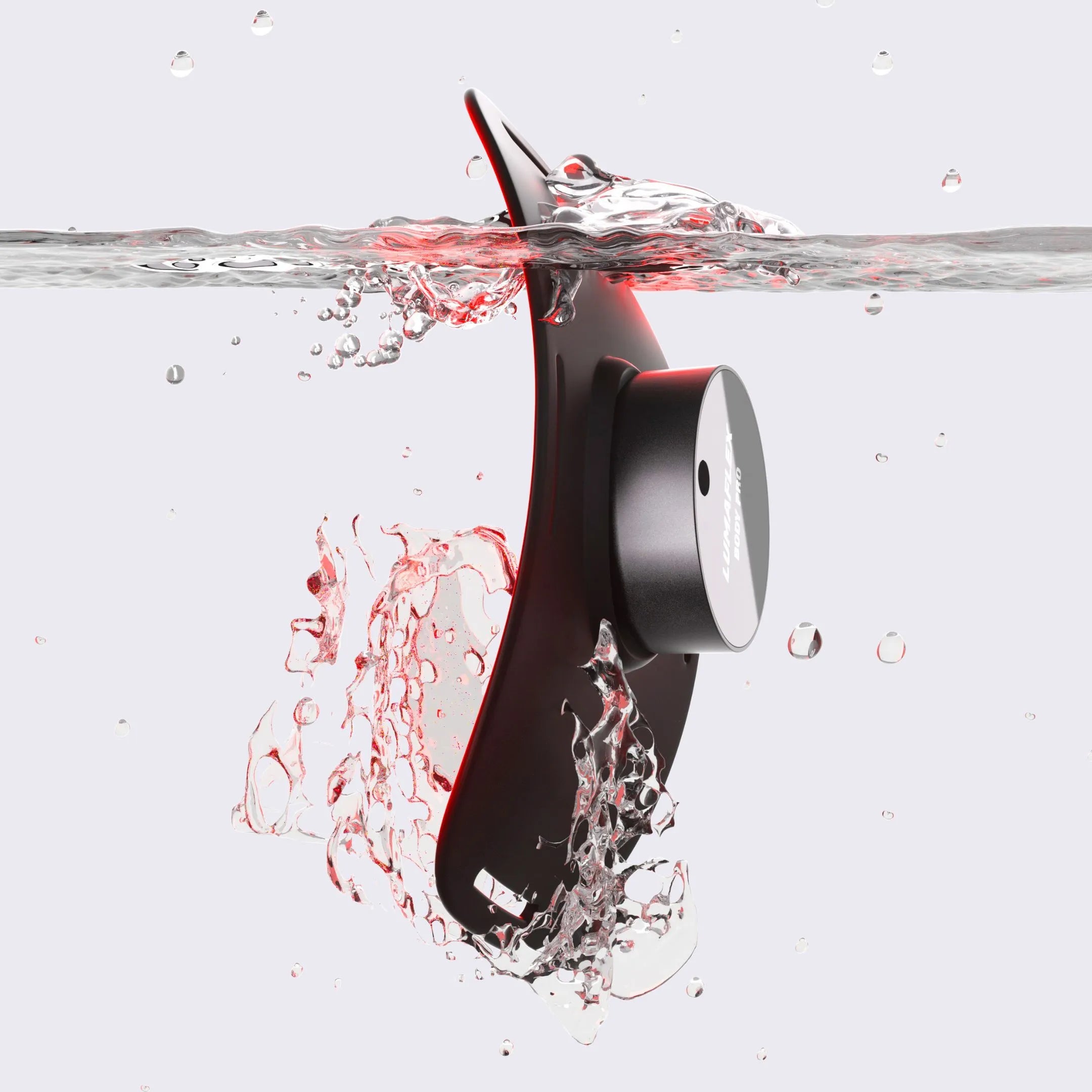
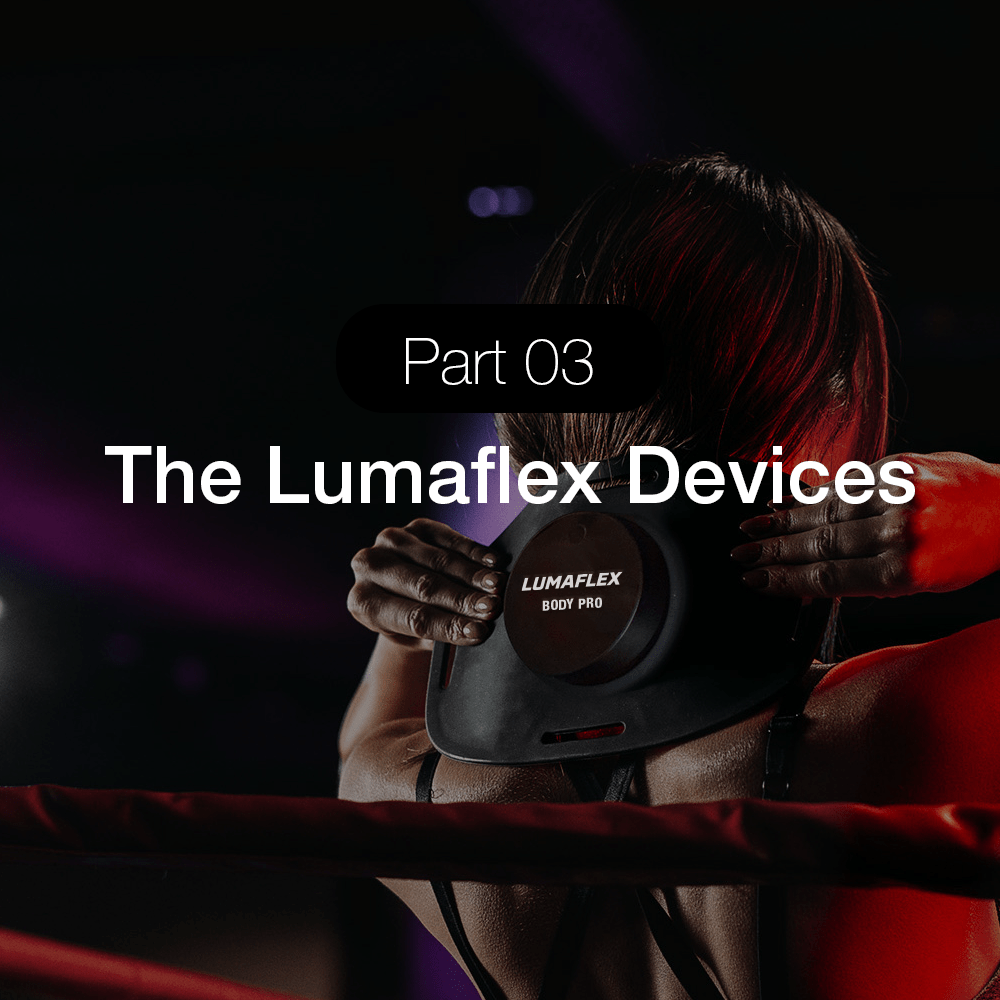
Tennis elbow cannot be treated with just one point of pain. Tennis elbow includes multiple tendons and muscles that are attached to the outer portion of the elbow and forearm. The Lumaflex Body Pro is designed on this concept as well, providing uniform light compression to all tendons.
This helps in maintaining consistency, covering the entire region, and incorporating treatment into your exercise regime. In case of athletes facing chronic problems with their elbow joints, such a device facilitates a better system, where constant and precise stimulation is provided.
If you want to see how this approach is supported in practice, the Lumaflex clinical trials go into more detail on outcomes and protocols.
Can Red Light Therapy Replace Physiotherapy?
No, the use of red light therapy is not an alternative to physiotherapy in treating tennis elbow. Red light therapy is a supplementary treatment method that can aid in pain relief and healing of the affected tendons but cannot build up strength or load handling capacity.
This can be done along with rehabilitation and physical therapy. The exercises target the tendon to build its strength and tolerance again. Manual therapy may also assist with movement and take pressure off the region.
When you combine these, things tend to progress better. Red light therapy can make rehab more manageable, while physiotherapy addresses the underlying issue. That combination is what usually leads to more consistent, long-term recovery.
How Long Does It Take to Recover?
Recovery period depends on when the condition was diagnosed and compliance with treatment procedures.
- Mild cases: around 4–6 weeks
It usually responds well to rest, proper rehabilitation, and additional methods such as red light therapy. - Chronic cases: around 8–12+ weeks
The healing process requires more time due to deep damage of the tendons and collagen formation.
It is worth mentioning that during the rehabilitation, it is important not only to alleviate symptoms but also to restore the ability to use the tendon actively.
Returning to Sport After Tennis Elbow

Getting back to sport after tennis elbow is not just about pain going away. It is about whether the tendon can handle load again. Coming back too early is one of the main reasons symptoms return.
- Gradual loading: ease back into sport-specific movements instead of jumping straight into full intensity
- Grip strength: your affected side should be close to the other before pushing harder
- Pain-free movement: mild discomfort can happen, but sharp or increasing pain means you need to scale back
Sticking with rehab while returning to sport matters. Tools like red light therapy can help manage pain, but rebuilding strength and tolerance is what keeps tennis elbow from coming back.
Key Takeaways on Red Light Therapy for Tennis Elbow
- Photobiomodulation can be effective in tendon regeneration for tennis elbow due to collagen restructuring and cellular energy
- Studies show positive outcomes in pain reduction and functionality, especially when combined with LLLT with physical therapy
- It should be used within a comprehensive treatment protocol, not in isolation
- Persistence pays off: tendons heal slowly, with outcomes improving over weeks
Does red light therapy help tennis elbow?
Yes, it can be useful. According to research, it has the potential to lower pain and enhance functioning if you are engaging in appropriate rehabilitation and progressive loading alongside it. However, by itself, it is inadequate.
How long before results?
Most individuals begin to experience noticeable results within two to six weeks. This varies depending on the level of severity of the condition and your consistency with your rehabilitation program.
What wavelength is best?
The combination appears to be ideal. The red wavelength (630-660 nm) penetrates more superficial tissues, whereas near-infrared (810-850 nm) penetrates deeper into the tendon and muscle.
Can it fix chronic tennis elbow?
It can help with pain and support recovery, but chronic cases still need consistent rehab. The tendon has to rebuild strength over time, and that doesn’t happen without proper loading.
Can I use it daily?
Yes, particularly when you have just started out. Daily usage is normally okay as long as you keep to your sessions' recommended lengths.
Is it better than physiotherapy?
No. It works alongside physiotherapy, not instead of it. Rehab is what actually rebuilds the tendon, while red light therapy helps support the process.
References
Lam, L. K. Y. (2007). A randomized controlled trial of low level laser therapy for tennis elbow. Photomedicine and Laser Surgery, 25(2), 65–69. https://doi.org/10.1089/pho.2006.2047
Öken, Ö., Kahraman, Y., Ayhan, F., Canpolat, S., Yorgancioglu, Z. R., & Öken, Ö. F. (2008). The short-term efficacy of laser, brace, and ultrasound treatment in lateral epicondylitis. Journal of Hand Therapy, 21(1), 63–68. https://theralase.com/wp-content/uploads/2019/08/chiro-abstract5-2.pdf
Simunovic, Z., Trobonjaca, T., & Trobonjaca, Z. (1998). Treatment of medial and lateral epicondylitis — tennis and golfer's elbow — with low level laser therapy. Journal of Clinical Laser Medicine and Surgery, 16(3), 145–151. https://doi.org/10.1089/clm.1998.16.145
Svernlöv, B., & Adolfsson, L. (2001). Extensor muscles rehabilitation in lateral epicondylitis. Scandinavian Journal of Medicine and Science in Sports, 11(1), 40–47. https://doi.org/10.1080/02844310500491492
Tumilty, S., Munn, J., McDonough, S., Hurley, D. A., Basford, J. R., & Baxter, G. D. (2010). Low level laser treatment of tendinopathy: A systematic review with meta-analysis. Photomedicine and Laser Surgery, 28(1), 3–16 https://doi.org/10.1089/pho.2008.2470