Red Light Therapy for Stomach Fat: Does It Really Reduce Belly Fat?

Red Light Therapy for Stomach Fat: What the Research Says and What It Doesn't
Red light therapy for stomach fat usually comes up after people have already tried the basics: diet changes, core work, cardio, and still find the abdominal area unusually resistant.
That frustration isn’t a discipline issue. It’s biology, and it matters for understanding whether red light therapy has any real role here.
This article focuses specifically on the abdomen, not fat loss in general. Most explanations treat fat as uniform. It isn’t, and that difference changes how you interpret the evidence.
We’ll look at the mechanism, what clinical studies actually show when the abdomen is the target area, what red light therapy can’t reach, and how abdominal protocols are structured in practice.
- 1. Red Light Therapy for Stomach Fat: What the Research Says and What It Doesn't
- 2. Why the Stomach Is a Harder Target Than the Rest of Your Body
- 3. How Red Light Therapy Interacts With Fat Cells
- 4. What the Abdominal-Specific Research Actually Shows
- 5. Does It Work Without Diet and Exercise? A Realistic Answer
- 6. How to Use Red Light Therapy on Your Stomach
- 7. What to Expect and When
- 8. Frequently asked questions (FAQs)
- 9. A Note on Where This Fits
- 10. References
Why the Stomach Is a Harder Target Than the Rest of Your Body
There’s a reason people can lose weight elsewhere but still feel their midsection hasn’t changed much. The abdomen isn’t a single type of fat. There are two, and they behave differently.
Subcutaneous Fat vs. Visceral Fat: They're Not the Same Problem
Subcutaneous fat sits directly beneath the skin. It’s the layer you can pinch. It’s also the layer most associated with visible abdominal fullness and shape changes.
Visceral fat is located deeper inside, behind the abdominal wall, and surrounds the organs in the body. This type of fat cannot be seen externally, nor can it be measured; however, it does have metabolic effects on the body.
Both have a reaction to different stimuli as well. Subcutaneous fat reacts to local stimuli whereas visceral fat responds to systemic stimuli such as regular exercise, adequate sleep, and reduced stress levels.

Why Belly Fat Has Its Own Hormonal Logic
Abdominal fat tissue have a high density of alpha-adrenergic receptors, which inhibit lipolysis, compared to beta-adrenergic receptors that favor lipolysis. This alone makes the region less responsive to mobilization.
Cortisol reinforces the pattern. Chronically elevated levels tend to favor fat storage in the abdominal region, particularly viscerally. Insulin resistance often compounds the effect, making the midsection less metabolically flexible over time.
What This Means for Any Fat-Reduction Approach, Including Red Light Therapy
Red light treatment is mainly effective on subcutaneous tissue, which is the tissue under the skin and not the visceral fat. This is a major constraint because superficial light does not penetrate into the visceral compartment.
Where red light therapy becomes relevant is in the subcutaneous layer itself, where a growing body of clinical research has observed changes in fat cell behavior and waist circumference over time. That’s the part worth examining next.
How Red Light Therapy Interacts With Fat Cells
The mechanism behind red light therapy is often simplified as “light melts fat,” but that isn’t accurate and creates unrealistic expectations.
Red and near-infrared wavelengths, typically 630–660nm and 830–850nm, penetrate skin and interact with mitochondrial structures in underlying tissue. The main chromophore involved is cytochrome c oxidase, part of the electron transport chain.
When stimulated, mitochondrial activity shifts. ATP production increases, and cellular signaling related to oxidative balance changes. This is the basis of photobiomodulation: light influencing cellular function in a wavelength- and dose-dependent way. Device output and tissue penetration determine how much of this effect actually occurs..
What Happens Inside an Adipocyte During Red Light Therapy
In adipose tissue, the response is more specific. Fat cells (adipocytes) release stored triglycerides, breaking them into free fatty acids and glycerol, which then exit the cell through transient changes in membrane permeability.
The adipocyte remains intact but reduced in size. It does not die or get removed.
This is different from cryolipolysis, where fat cells are destroyed. Red light therapy instead promotes mobilization of stored lipids without cell death.
The Lipolysis Pathway and Why It Matters for the Abdomen
The core process involved is lipolysis, the breakdown of stored triglycerides into usable energy substrates. Red and near-infrared light appear to support this process in the tissue they reach, primarily subcutaneous fat beneath the skin.
Penetration depth depends on wavelength. Red light (630–660nm) affects more superficial layers, while near-infrared (830–850nm) can reach several centimeters under optimal conditions. In the abdomen, where subcutaneous fat thickness varies significantly, dual-wavelength devices provide broader coverage than red-only systems.
What the Abdominal-Specific Research Actually Shows
This is where the majority of the content ends up exaggerating the findings or dismissing them altogether. The studies done using red light therapy on the abdomen fall into that grey area. They are not conjectures but are yet to be fully standardized. It all boils down to the results obtained and their consistency.
Studies That Used the Stomach as a Target Area
Lim & Park (2018) at Dankook University ran one of the earlier controlled trials focused directly on the abdomen. Fifty-five participants were randomized into treatment and control groups. The intervention group received red and near-infrared LED therapy over the abdominal region (30 minutes, 3x weekly for 4 weeks), followed by aerobic exercise. Both groups exercised, but only one received phototherapy. The combined protocol produced greater reductions in abdominal fat than exercise alone, without reported adverse effects.
In addition, Lim et al. (2019) followed up on a study that employed a similar approach and further emphasized the same finding whereby light therapy combined with exercises had better outcomes compared to exercising alone.
Won et al. (2021) from Lasers in Medical Science took a different approach to devices – 1060 nm diode laser plus 635 nm LLLT in one session was applied to the abdomen and submental area in 42 participants. Ultrasound imaging was utilized to assess the changes in the thickness of subcutaneous fat layer from baseline up to 12 weeks. Fat thickness in the abdomen was found to have reduced by 18.62% after 12 weeks.
Unlike circumference-only studies, this one used ultrasound imaging, which gives a more direct view of subcutaneous fat changes. It also matters that part of the protocol used higher-power laser energy rather than LED alone, which is not equivalent to most home devices.
Nishioka et al. (2024), published in the Journal of Cosmetic Dermatology, expanded the dataset further with 90 sedentary women using abdominal LED therapy, with and without a topical lipolytic compound. Both active groups showed reductions in waist circumference and ultrasound-measured subcutaneous fat thickness. Biopsy analysis added an additional layer, showing structural changes in adipocytes in treated tissue.
Modena et al. (2022) at the University of Campinas took this further by using surgical patients, allowing direct comparison of treated vs untreated abdominal tissue in the same individuals. LED photobiomodulation (630nm + 850nm) was applied preoperatively, and tissue collected during bariatric surgery showed measurable differences between treated and control sides under histological analysis.
However, a recurring trend emerges across all studies, in that application of red and near infrared light to abdominal tissue shows a tendency for subcutaneous fat thickness and waist size to decrease. The correlation becomes strongest when used in conjunction with physical activity and measured over weeks instead of days.
What the Results Showed and What They Didn't Control For
The best results are always obtained through procedures where both phototherapy and exercises are combined. It therefore becomes difficult to identify red light therapy as the sole cause of the changes since the effect always takes the same direction.
Measurement methods also vary. Waist circumference captures overall change but is relatively coarse. Ultrasound provides more specificity for subcutaneous fat thickness. Skinfold measurements sit between the two. These differences matter when comparing effect sizes across studies.
Sample sizes tend to be small, with numbers ranging between 40 and 90 subjects in most cases where abdomen was the primary focus of research. Such sample size is adequate for observing clear trends but not for generalization.
The Honest Caveat About Visceral Fat and Current Evidence
The evidence on the use of red light therapy to reduce visceral fat is scarce. Waist measurements, skin fold thickness, and ultrasound imaging of the subcutaneous layers, which have been used in abdominal studies, tend to measure changes in subcutaneous fat.
Visceral fat lies further in, behind the abdominal wall and cannot be accessed directly by the wavelengths employed in LED and low level laser therapy treatments. It can be reduced much more effectively through systemic processes such as consistent aerobic exercise, diet changes, sleep patterns, and stress management.
Does It Work Without Diet and Exercise? A Realistic Answer
This is the most practical question in this entire discussion, and the answer is more straightforward than most explanations make it.

Why Red Light Therapy Works Better When the Body Is Already in a Fat-Burning State
Red light therapy appears to support lipolysis, the release of stored fatty acids from adipocytes. But lipolysis alone doesn’t determine fat loss. What matters is what happens next.
Once fatty acids are released, they enter circulation and must be oxidized by muscle tissue to be used as energy. If that demand isn’t present, a significant portion of those lipids can be re-esterified and stored again. The mobilization occurs, but the net reduction in fat mass is limited.
This is the context behind the Lim & Park protocols, where phototherapy was paired with aerobic exercise. Exercise increases fatty acid oxidation, which changes the fate of the released energy. The combination is effective because it couples release with utilization.
That also explains the gap between “works in a study” and “works in isolation.” The mechanism is real, but it depends on metabolic demand outside the light exposure itself.
The Role of Movement and Caloric Context
Red light therapy, from a functional standpoint, encourages fat cell release. The results depend on whether there is an energy deficit to begin with, which determines whether the process manifests itself through noticeable changes.
The higher the pre-existing level of physical activity (walking, training, even moving around), the more likely fatty acids will be utilized instead of stored. This effect becomes much more pronounced when the calorie deficit is ongoing.
This does not mean that the therapy becomes conditional in an absolute manner, but rather it decides the scale. Under an actively metabolic environment, there will be a greater chance of the effect building up. Under a sedentary environment where there is excess energy, it will be easier to neutralize the effect.
There is also growing evidence that photobiomodulation can affect mitochondrial efficiency and metabolism in general, but its direct relation to fat loss is less clear than in the case described above.
How to Use Red Light Therapy on Your Stomach
This section matters. Most people who are genuinely interested in using red light therapy for their abdomen can't find a clear, parameter-specific answer anywhere. Here's one.
Wavelengths That Matter for Deeper Tissue
For the abdomen specifically, you want both red and near-infrared wavelengths. Red (630–660nm) handles the shallower subcutaneous tissue. Near-infrared (830–850nm) penetrates deeper, reaching more of the subcutaneous fat layer in people with thicker abdominal adipose tissue. The Modena et al. study used 630nm and 850nm sequentially — a protocol supported by multiple other studies as the more effective dual-wavelength approach.
A device that only emits red light will have more limited penetration for abdominal fat than one combining red and near-infrared. For body applications specifically, dual-wavelength matters more than it does for surface-level skin concerns.
Distance, Duration, and Frequency: What the Clinical Trials Used
The Lim & Park protocols used 10 mW/cm² irradiance applied over the abdominal area for 30 minutes, 3 times per week. Won et al. used a clinical laser device in a single treatment session; Nishioka et al. used multiple LED sessions. Across the research, the most common parameters cluster around:
- Duration: 10–30 minutes per session (10–20 minutes for home LED devices, 30 minutes in some clinical LED protocols)
- Frequency: 3 sessions per week
- Treatment period: 4–12 weeks for measurable outcomes
- Distance: Skin contact or near-contact for flexible body pads; 10–15cm for panel-style devices
For home use with an LED-based device, a 10–20 minute session is the most practical and well-supported parameter. Longer isn't always better — there's a dose-response curve, and exceeding it doesn't produce proportionally better results.
The Right Device Type for Abdominal Coverage
The abdomen presents a practical constraint: surface area and curvature. Smaller handheld devices require repeated repositioning, and rigid panels typically only cover part of the region at one time.
For that reason, abdominal protocols in both clinical and home contexts tend to favor either repositioned panel use or flexible body-conforming systems that maintain more consistent coverage across the midsection.
If using a panel, the abdomen is typically treated in segments (upper and lower) within the same session or alternated across sessions to ensure full coverage over time.
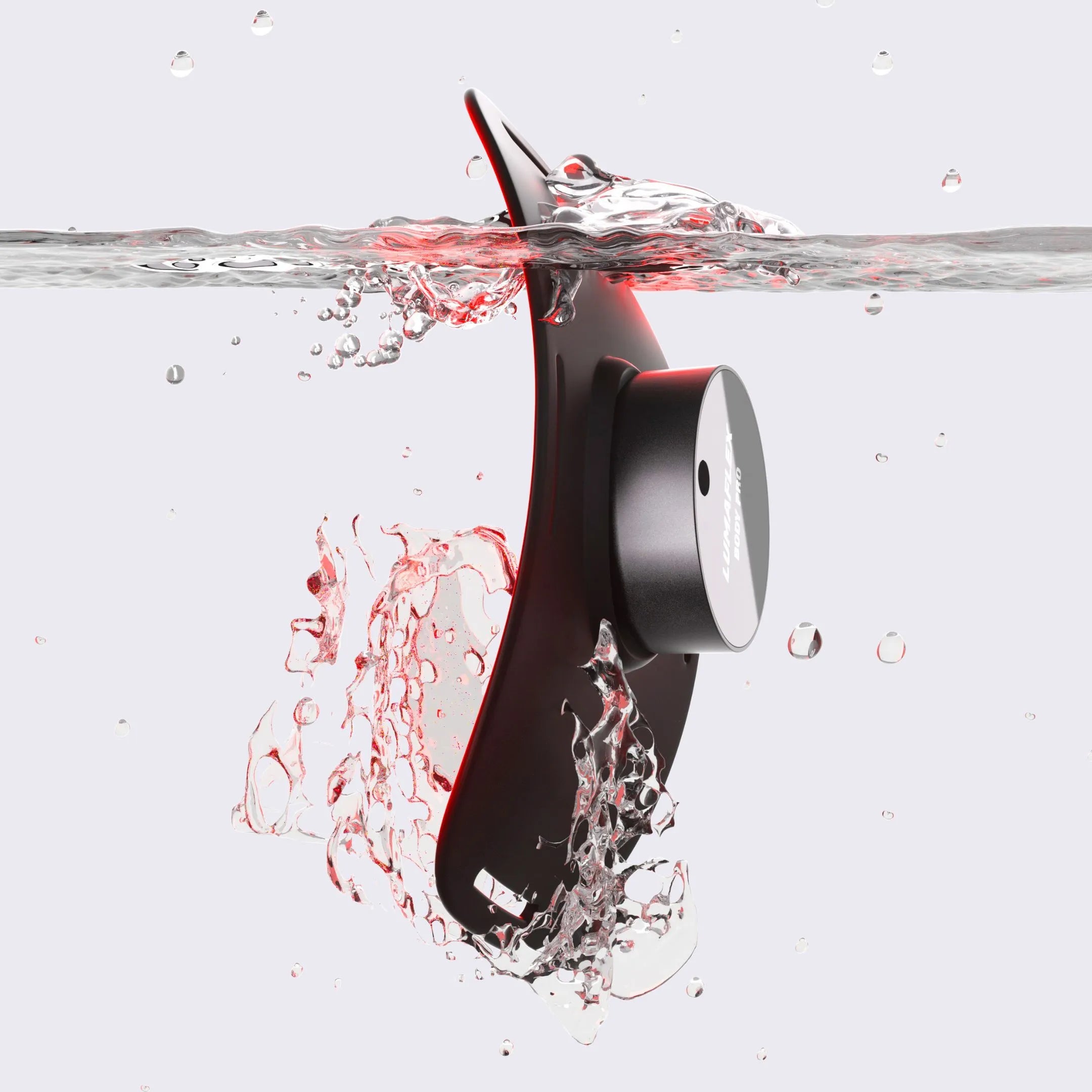
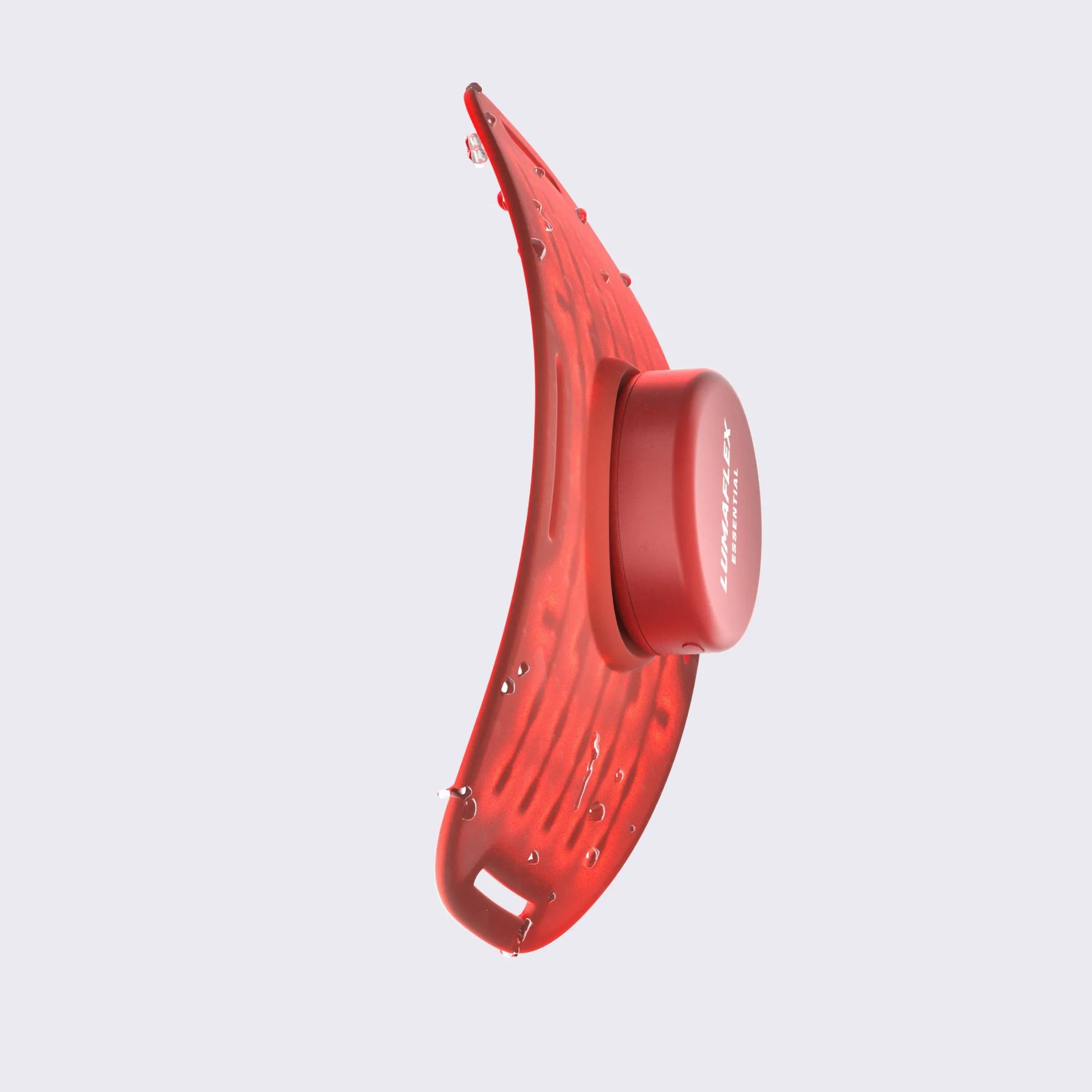
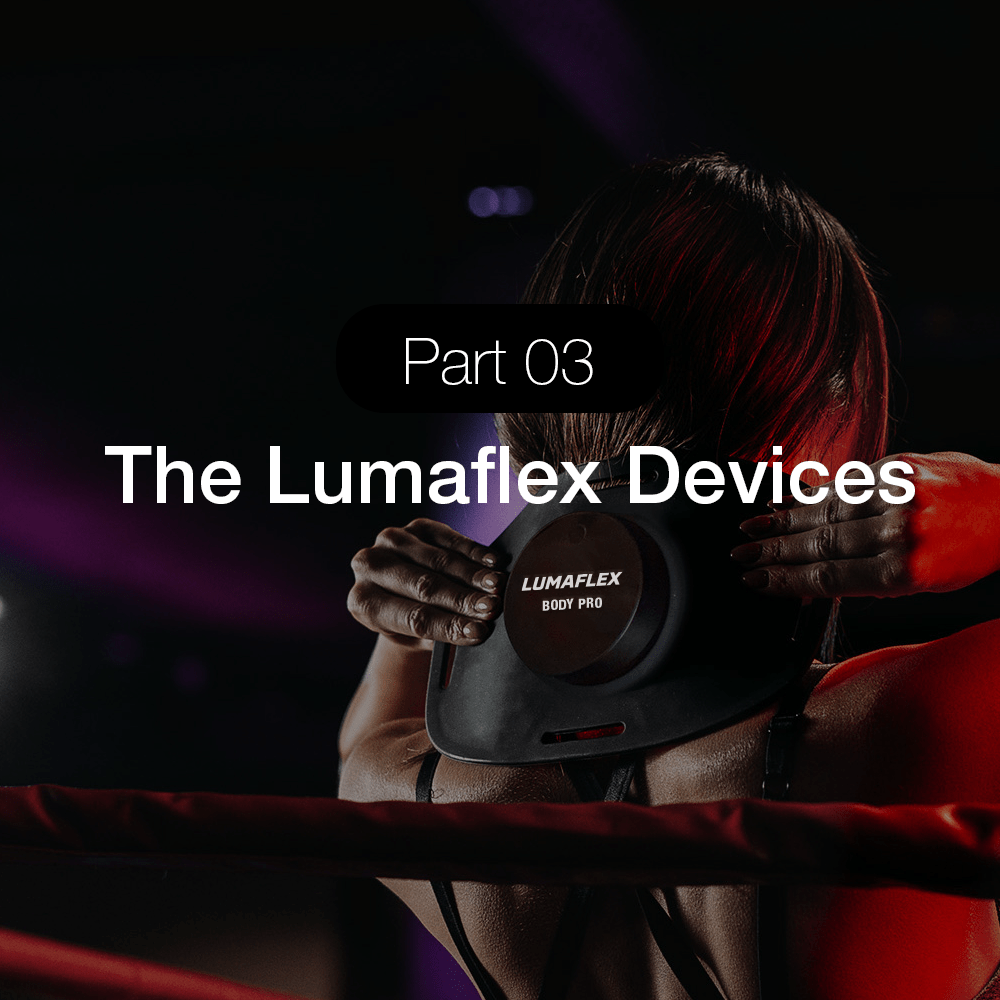
A flexible, body-conforming device such as a wrap-style system is simply more efficient for this application because it reduces variability in distance and coverage across the abdominal surface.
Before or After Exercise? Timing Considerations
Timing appears to matter less than consistency, but most protocols still fall into two patterns.
Phototherapy applied before exercise has been used in studies such as Lim & Park, where sessions were followed immediately by aerobic activity. The rationale is that exercise increases fatty acid utilization shortly after lipolysis is stimulated.
Post-exercise use is more commonly framed around circulation and recovery, with the idea that mobilized fatty acids remain in an active metabolic window after training.
Both approaches are physiologically plausible. The strongest evidence, however, exists for pre-exercise application simply because it has been more consistently studied.
In practice, either timing window is acceptable. The variable that matters most is sustained use — typically 3 sessions per week over multiple weeks — rather than precise sequencing.
What to Expect and When

A Realistic Timeline for Abdominal Changes
The studies are fairly consistent here. Measurable outcomes — circumference reduction, ultrasound-confirmed reduction in fat layer thickness — appear in the 4–12 week range, with the stronger results at 8–12 weeks of consistent use.
The Won et al. study tracked changes at 4, 8, and 12 weeks using ultrasound. The abdominal fat reduction continued to increase over that entire period, with the most significant change by week 12. Circumference changes in the Lim & Park studies were detectable within 4 weeks when paired with aerobic exercise.
For a home user doing 3 sessions per week: plan to assess at the 6-week mark for early signals, and the 10–12 week mark for a more complete picture. Shorter trials tend to underestimate the cumulative benefit.
Signs It's Working That Aren't Inches Lost
Waist circumference is one outcome, but not the only one. People using red light therapy consistently often notice changes in skin texture and firmness before they notice significant fat changes — this reflects the collagen production effects of photobiomodulation, which run in parallel with the fat-related mechanism. If the skin over the abdomen is looking and feeling firmer, that's a real effect of the therapy, and it's a reasonable early indicator that something is happening at the tissue level.
Some people also notice reduced muscle soreness and faster recovery from core or abdominal exercise — an effect consistent with the broader recovery literature on photobiomodulation, which is well-established independently of the fat reduction question.
Why Consistency Matters More Than Intensity
This isn't a therapy where doing more in a single session pays dividends. A 20-minute session done 3 times per week for 10 weeks produces far more useful cumulative dose than 5 sessions in one week followed by two weeks of nothing.
The cellular mechanisms being engaged — mitochondrial stimulation, lipolysis facilitation, collagen synthesis — are gradual, accumulative processes. They don't respond to intensity the way a workout does. They respond to regularity. Two sessions missed here and there won't derail everything. But a stop-start pattern over months will produce little.
Does red light therapy actually reduce stomach fat?
The clinical evidence suggests it does — specifically for subcutaneous abdominal fat (the layer you can feel beneath the skin). Multiple studies using LED and low-level laser therapy targeted directly at the abdomen have shown measurable reductions in subcutaneous fat thickness and waist circumference, particularly when combined with aerobic exercise. It is not effective for visceral fat (the deeper fat around the organs), which responds primarily to systemic lifestyle changes.
Is it safe to use on your stomach every day?
Home-use LED devices are generally safe for daily use at appropriate distances and durations. The most studied protocol is 3 sessions per week — that's where the strongest evidence base sits. Daily use is unlikely to cause harm, but it's not necessarily more effective; the tissues need time to respond to each session. If daily sessions feel manageable and you're seeing no skin irritation, the main downside is opportunity cost, not safety risk.
Does it work on visceral fat — the deep belly fat?
Not directly. Red and near-infrared wavelengths penetrate a few centimeters into tissue, reaching the subcutaneous fat layer but not the visceral fat sitting behind the abdominal muscle wall. For visceral fat reduction, the most effective interventions remain consistent aerobic exercise, caloric management, sleep quality, and stress reduction. Anyone whose primary concern is visceral accumulation should anchor their approach there, and can use red light therapy as a complement for the subcutaneous layer.
How far should the device be from my stomach?
For panel-style devices, most clinical protocols position the device 10–15cm from the skin. For flexible pads or wrap-style devices designed for body contact, manufacturer guidance typically recommends direct skin contact or minimal gap. Closer isn't always more effective — what matters is the irradiance delivered to the tissue, which varies by device output. Check the device's guidance; it's specific to the power output of that product.
Should I use it before or after exercise?
The most studied sequence in the abdominal fat literature is before aerobic exercise. Theoretically, this primes fat cell mobilization before the body creates the demand for fatty acid fuel during exercise. That said, post-exercise use is also reasonable, and the research doesn't show dramatic differences based on timing. Consistency of use matters more than the precise window.
How long until I notice a difference in my stomach?
For people who are consistent — 3 sessions per week, paired with activity — early measurable changes (circumference, skin firmness) typically appear in the 4–6 week range. More significant or visible changes in abdominal fat usually require 8–12 weeks. Individual variation is real: starting subcutaneous fat thickness, activity level, hormonal factors, and overall metabolic health all influence the rate of response.
A Note on Where This Fits
Red light therapy for stomach fat is not a shortcut. The research doesn't support that framing, and anything suggesting otherwise is misrepresenting it.
What the evidence does support is this: consistent, targeted application of dual-wavelength LED therapy to the abdominal area, over 8–12 weeks, produces measurable reductions in subcutaneous abdominal fat — particularly in people who are also engaging in aerobic exercise. The effect is real. It's not dramatic in isolation. It compounds with the work already being done.
The research literature actually supports something more specific: multiple exposures of the abdomen to both red and near-infrared light over a period of several weeks leads to decreases in subcutaneous abdominal fat, especially when accompanied by aerobic exercise. The effects are modest but real, and tend to build up over time.
This places red light therapy in a supporting role rather than a primary intervention. It interacts with processes already being driven by movement, energy balance, and metabolic activity in the body.
For readers who want to understand the broader context of how photobiomodulation fits into fat loss and metabolic health, the wider red light therapy overview provides that framework. The clinical trial collection offers a more direct view of the underlying research.
From a practical standpoint, abdominal application depends heavily on coverage. Devices designed for full-body contact or wrap-style application are simply more consistent for this region than small, localized panels.
What remains is straightforward: consistent use over a sustained period. Typically 8 to 12 weeks is where the pattern in the data becomes visible.
References
- Lim, S. & Park, E. (2018). Spot fat reduction by red and near infrared LED phototherapy. Proceedings of SPIE, 10477. https://doi.org/10.1117/12.2289386
- Lim, S., Lee, S.J., & Park, E. (2019). Fat loss by red and near infrared LED phototherapy. Proceedings of SPIE, 10861. https://doi.org/10.1117/12.2506800
- Modena, D.A.O., Soares, C.D., Martignago, C.C.S., et al. (2022). Effects of LED photobiomodulation therapy on the subcutaneous fatty tissue of obese individuals — histological and immunohistochemical analysis. Journal of Cosmetic and Laser Therapy, 24(6–8), 84–90. https://doi.org/10.1080/14764172.2022.2109677
- Nishioka, M.A., Brassolatti, P., Alves, A.C.A., et al. (2024). Clinical protocol effects with LED photobiomodulation for reducing adipose tissue in the abdomen region. Journal of Cosmetic Dermatology, 24(2), e16675. https://doi.org/10.1111/jocd.16675
- Won, C.H., Moon, I.J., Choi, J.W., et al. (2021). Efficacy and safety of a novel combined 1060-nm and 635-nm laser device for non-invasive reduction of abdominal and submental fat. Lasers in Medical Science, 37, 505–512. https://doi.org/10.1007/s10103-021-03288-z