Can You Use Salt Therapy and Red Light Therapy Together?
Walk into a growing number of wellness centers and the service menu looks different than it did a few years ago. Salt rooms now sit beside red light beds, infrared saunas and cold plunges. Some facilities even offer booths that combine dry salt therapy with red light panels. Red light therapy can also be delivered through standalone LED panels and handheld devices, giving wellness centers more options for incorporating it into their services. This raises an interesting question: can salt therapy and red light therapy be used together, and what can each bring to a wellness session?
Yes, both can be part of the same wellness experience. Clients can book them as separate services during one visit or use an integrated booth that delivers both treatments. Each therapy works differently and has its own areas of research, making them an interesting combination for wellness centers to explore. This guide looks at how salt therapy and red light therapy work, their potential benefits, the different ways they can be used, and how wellness businesses are bringing them together.
Table of Contents
What Is Salt Therapy?
Salt therapy, also called halotherapy, is the inhalation of fine dry salt particles in a controlled room. It is a modern, above-ground version of speleotherapy, the practice of spending time in natural salt caves and mines, which has a long history in Eastern Europe.
The type of room matters. In an active salt room, a device called a halogenerator grinds pharmaceutical-grade salt into particles small enough to be inhaled and disperses them into the air. A passive salt room is decorated or lined with salt, but nothing aerosolizes it. Sitting in a passive room is a different experience from breathing dry salt aerosol, and the research on halotherapy concerns the aerosol.

People visit salt rooms for relaxation and to explore potential benefits for respiratory comfort, sinus congestion and skin health. Researchers have also examined its use in chronic respiratory conditions. For example, a systematic review of halotherapy for COPD, published in the International Journal of COPD, identified four eligible studies involving 1,041 participants. The authors noted limitations in randomization and patient selection and called for higher-quality research before halotherapy could be recommended for COPD.
Research into asthma, allergies and other conditions is also developing. Current findings offer areas for further investigation, but more consistent clinical evidence is needed to establish how effective halotherapy may be for these conditions.
For now, salt therapy is best understood as a complementary wellness service that people may enjoy for relaxation and the experience of spending time in a salt room. It can be part of a wellness routine, but it should not replace medical treatment or prescribed medication.
What Is Red Light Therapy?
Red light therapy is a form of photobiomodulation (PBM). It uses low-level red and near-infrared (NIR) light to trigger biological responses in the body without relying on heat to produce an effect.
One of the main explanations for how PBM works involves cytochrome c oxidase, an enzyme found in the mitochondrial electron transport chain. This enzyme can absorb light, particularly in the red and near-infrared range. Researchers propose that light absorption may release nitric oxide bound to the enzyme and influence mitochondrial activity and cellular signaling, including processes involving ATP and reactive oxygen species. However, the full mechanism behind PBM is still being studied. Other light-sensitive molecules and signaling pathways may also play a role. This is why PBM involves more than simply giving cells an energy boost.

Two factors are particularly important when looking at how red light therapy works:
Wavelength. Red light commonly uses wavelengths around 630 to 660 nm, while near-infrared light often falls between 800 and 1,000 nm. These wavelengths interact with tissue differently, and near-infrared light can generally reach deeper tissue than visible red light. The effects also depend on which biological molecules absorb the light.
Dose. PBM follows a biphasic dose response: too little light may produce little or no effect, while an appropriate dose may produce a beneficial response. Higher doses do not necessarily produce better results and may reduce the response. Irradiance, treatment time and distance from the skin all influence the amount of light energy delivered.
Research has explored red light therapy for skin health, musculoskeletal pain and exercise recovery. Results vary depending on the condition, device and treatment protocol. This makes it important to look beyond a product's general red light therapy label and check its specifications, including wavelength, irradiance and recommended treatment time.
Salt Therapy vs. Red Light Therapy: What’s the Difference?
Salt Therapy (Halotherapy) |
Red Light Therapy (PBM) |
|
|---|---|---|
Primary modality |
Dry salt aerosol |
Red and near-infrared light |
How it works |
Salt particles are inhaled and contact airway and skin surfaces |
Photons are absorbed by chromophores such as cytochrome c oxidase |
Type of exposure |
Breathing and skin contact with airborne particles |
Light directed at skin and underlying tissue |
Common applications |
Breathing comfort, sinus and skin wellness |
Skin health, pain, recovery |
Treatment environment |
Salt room, booth or cave-style space |
Panel, wrap, bed or booth |
Evidence limitations |
Small, older studies; no clear support for treating respiratory disease |
Strong mechanistic research; clinical results vary by wavelength, dose and condition |
The two are not interchangeable. One delivers a substance to the airways, the other delivers light to tissue. Choosing between them depends on what a person is trying to achieve.

Can You Combine Salt Therapy and Red Light Therapy?
Yes. Salt therapy and red light therapy can be used in the same visit, the same routine or even the same booth, but no direct clinical evidence shows that combining them produces added benefits.
The practical combinations look like this:
- Separate services, same visit. A client completes a salt session, then moves to a red light device. Each therapy runs on its own terms.
- Integrated equipment. A single booth delivers dry salt aerosol and red light together.
Offering both is easy, but offering both does not make the combination more effective. Their mechanisms differ, so there is no automatic reason to expect one to amplify the other. Clinical trials testing conventional halotherapy alongside modern red and NIR protocols against either therapy alone are what would answer the question, and those have not been published in any quantity.
Some manufacturers do claim a synergy. Halotherapy Solutions, for example, describes salt crystals refracting red light into microbursts, based on research it conducted with NASA. Those are company claims about a commercial product. They are useful for understanding how the equipment is marketed, but they are not independent clinical evidence of a combined effect.
What Are the Potential Benefits of Using Both?
The reasonable way to look at this is as two separate sets of benefits that happen to appeal to the same customer.
Respiratory wellness. People visit salt rooms for breathing comfort. The evidence behind that is limited, as covered above, and red light therapy has no established role in respiratory care. Neither claim should be extended to the other.
Skin health. Both are marketed for skin. For red light, the research is more developed, including studies of wrinkles, texture and wound healing, though outcomes depend on device and protocol. Evidence for halotherapy and skin conditions is thinner. A client seeking skin results is leaning on the PBM literature, not the salt literature.
Recovery and general wellness. PBM has an emerging research base for muscle recovery and pain, and reviews describe PBM as modulating mitochondrial activity in muscle, while noting uncertainties in light delivery and tissue-level dose that limit reproducibility. Those findings belong to red and NIR light. They do not extend to salt therapy or to the pairing. nih
A person who wants relaxation, a quiet room and a recovery tool may value both. That is a reasonable reason to book both. It is a different thing from a proven combined benefit.

What Does a Combined Salt and Red Light Therapy Session Look Like?
Wellness businesses have taken two routes.
Integrated equipment. HaloRed, from Halotherapy Solutions, is the best-known example. It is marketed as a booth available in three sizes that combines medical red light therapy with dry salt therapy. Reseller listings describe deep red (630 to 660 nm) and near-infrared (830 to 850 nm) panels positioned above, in front and at the sides of the user. Independent facility listings show it in use. Club Fitness describes a 15-minute session combining red and near-infrared light, dry salt and supplemental oxygen, and True Movement in Alberta lists HaloRed as combining red light therapy with dry salt therapy.
Separate equipment. A facility can also keep its existing halogenerator and add a red light device in another room or time slot. This keeps each service independent, which makes scheduling, cleaning and pricing simpler. It also lets a business add photobiomodulation without replacing equipment it already owns.
Integrated booths offer a single-session experience. Separate equipment offers flexibility and a lower barrier for a business that already runs a salt room.
Can Wellness Centers Add Red Light Therapy to Existing Salt Therapy Services?
Yes. A salt therapy business does not need an integrated salt-and-light system to offer both modalities. Standalone red light devices are another route, and several practical points shape the decision.
Space and configuration. Panels, beds and wearable devices need different amounts of room, power access and wall or floor setup. A wearable wrap can be used in a chair or treatment bed, while a booth or bed needs a dedicated footprint.
Client experience and scheduling. Session length drives throughput. Short treatments fit easily around salt sessions, while long ones can bottleneck a small facility.
Suitability for repeated use. Devices used by many clients in a day face wear that home units do not, so durability, battery life and cleaning access matter.
Staff, sanitation and protocols. Teams need training on device instructions, exposure times, eye protection and client screening, plus a clear cleaning routine between users.
Lumaflex as an equipment option. Lumaflex makes standalone red and near-infrared devices that businesses can evaluate for this purpose. The lineup includes three models:
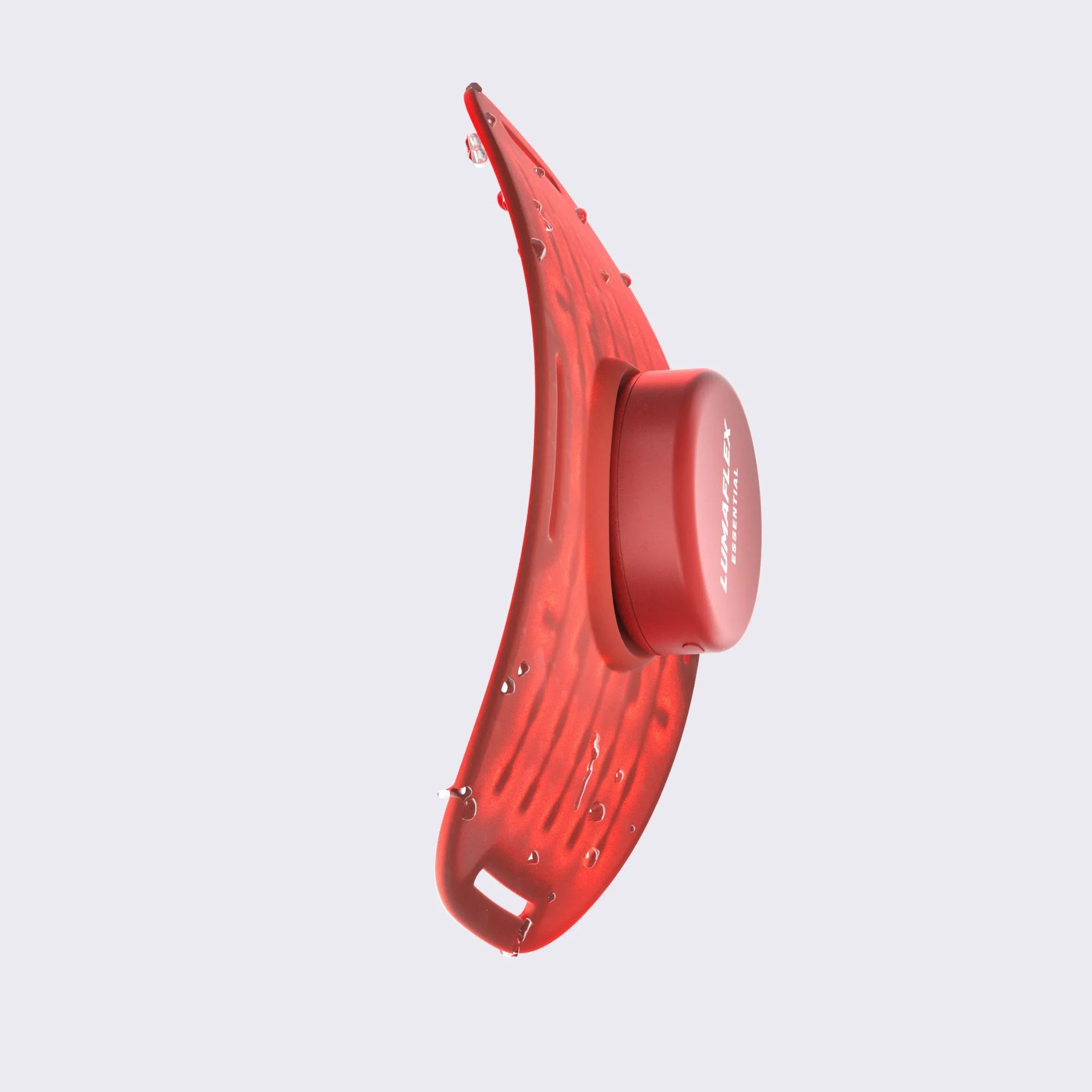
- Lumaflex Essential: 45 dual-core LEDs emitting 630 nm red light and 850 nm near-infrared light, built for quick 10-minute treatments.
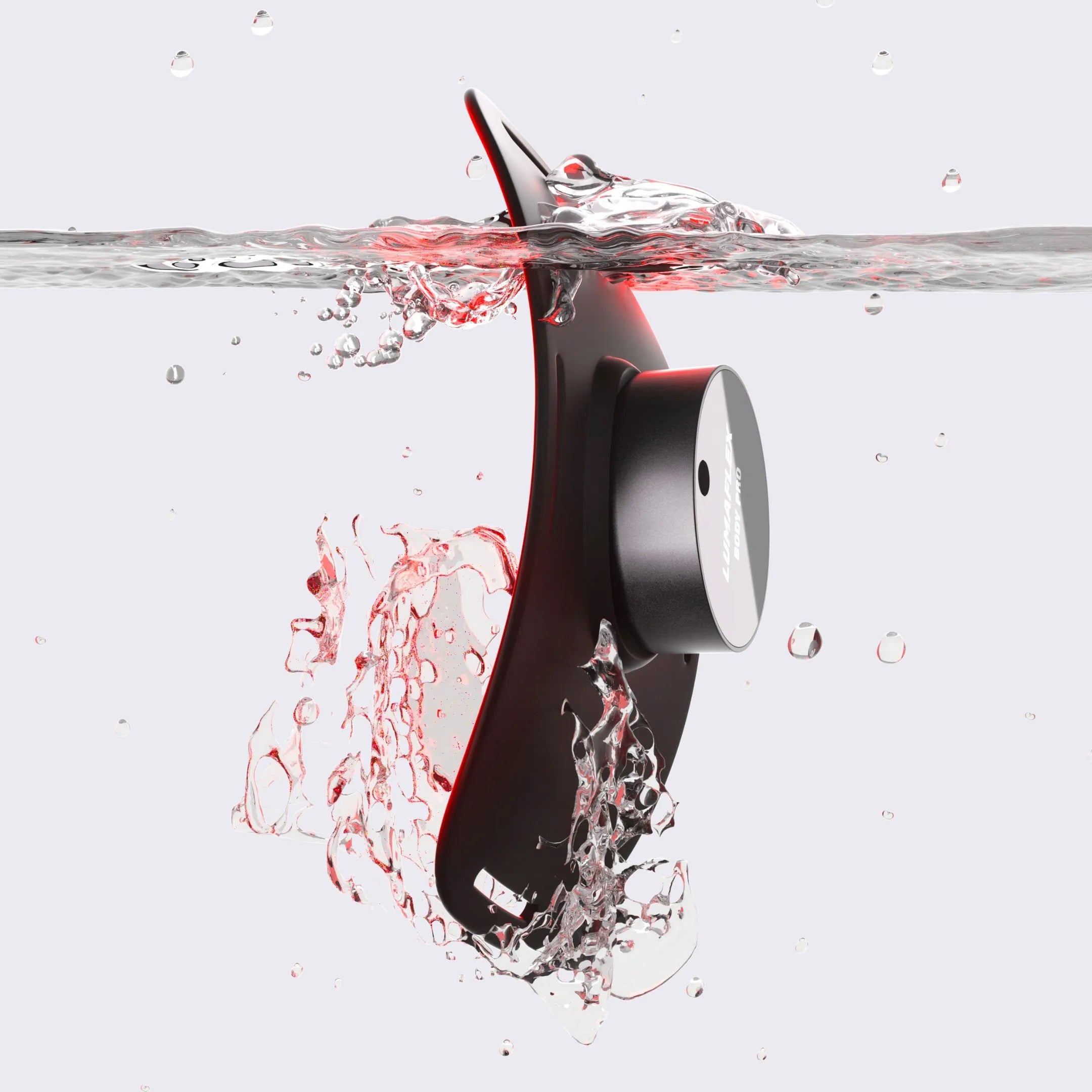
- Lumaflex Body Pro: a higher-tier model that is waterproof, ships with a spare replaceable battery and connects to a Bluetooth app for customized settings, positioned for more intensive use.
- Lumaflex Essential Pro: a six-wavelength panel covering 630, 660, 810, 850, 904 and 1064 nm, listed with FDA 510(k) clearance for pain management, skin rejuvenation and body contouring.
These devices deliver red and near-infrared light only. They do not provide halotherapy, they do not reproduce an integrated HaloRed session, and they have not been clinically validated for combined use in a salt room. Businesses should confirm commercial-use suitability with Lumaflex before purchasing, and no device guarantees added revenue.
Interested in adding red light therapy to your wellness center? Explore Lumaflex’s red and near-infrared light therapy devices and see whether they fit your facility’s service model.


Safety Considerations
Each therapy carries its own precautions, and no evidence shows the combination is safe for every person.
Salt therapy. Dry salt aerosol can irritate the airways, causing coughing or throat dryness in some people. Anyone with asthma, COPD or another respiratory condition should check with a healthcare provider first. Salt therapy should never replace prescribed respiratory treatment.
Red light therapy. Follow the manufacturer’s instructions on session length, distance and frequency. Use eye protection where the device instructions call for it. Some medications and conditions increase photosensitivity, so clients who take them should get medical advice before starting.
For businesses. Establish written treatment protocols, clean devices between clients, make sure staff know each device’s instructions and confirm the equipment is intended for commercial use. Screening questions at intake help catch contraindications before a session.
Frequently Asked Questions
Can you use salt therapy and red light therapy at the same time?
Yes, in an integrated booth designed to deliver both at once. Separate devices are usually used back to back instead.
Is salt therapy the same as red light therapy?
No. Salt therapy exposes the body to inhaled dry salt aerosol, while red light therapy exposes tissue to specific wavelengths of light.
Do salt therapy and red light therapy have similar benefits?
They overlap in marketing, mainly around skin and general wellness, but they work differently and have separate evidence bases. Findings for one do not carry over to the other.
Is there scientific evidence supporting the combination?
Not in any robust form. Independent clinical research on the combination is limited, and claims of synergy mostly come from equipment manufacturers.
Can you use red light therapy after a salt room session?
Yes. The two are commonly booked in sequence. Following the instructions for each service is the main consideration.
Do wellness centers offer salt therapy and red light therapy together?
Yes. Facilities such as Club Fitness and True Movement list integrated salt and red light booths, and others pair separate services.
Can a salt therapy business add standalone red light therapy equipment?
Yes. A business can keep its existing halogenerator and add independent red and near-infrared devices, then confirm space, protocols and commercial-use suitability before launching the service.
Sources referenced
- Rashleigh R, Smith SMS, Roberts NJ. A review of halotherapy for chronic obstructive pulmonary disease. Int J Chron Obstruct Pulmon Dis. 2014;9:239-246.
- Hamblin MR. Mechanisms and applications of the anti-inflammatory effects of photobiomodulation / Proposed Mechanisms of Photobiomodulation or Low-Level Light Therapy. IEEE J Sel Top Quantum Electron. 2016;22(3):7000417.
- Photobiomodulation for skeletal muscle regeneration: mechanisms, dosimetry, and translational challenges (PMC).
- Halotherapy Solutions HaloRed coverage, Athletech News.
- Lumaflex product pages and support FAQ