Red Light Therapy After Surgery: When to Start & What to Expect
Red Light Therapy after Surgery?
The short answer: most people can begin red light therapy 24 to 72 hours after surgery — but the right timing depends on your procedure, your surgeon's guidance, and how your body is healing. For orthopedic surgeries like rotator cuff repairs or knee procedures, a waiting period of 7 to 14 days is typically recommended. For cosmetic procedures, some surgeons clear patients as early as 5 to 7 days post-op.
What makes red light therapy particularly useful during surgical recovery is how it works at a cellular level. It delivers wavelengths of light in the 630–850 nm range that stimulate mitochondrial activity — essentially prompting your cells to produce more energy and repair faster. The result is reduced inflammation, improved circulation, and accelerated tissue repair. Unlike heat-based treatments, it is gentle enough to use during early recovery without disrupting the body's natural healing response.
This guide covers when to start RLT after different types of surgery, how to use it safely at each phase of recovery, and what results you can realistically expect.
Table of content
Understanding Red Light Therapy

Red light therapy triggers cellular growth by passing specific wavelengths of light through the skin. This rejuvenates circulation, enhances collagen formation, and tightens cells' ability to self-heal, translating into faster, more efficient healing.
Types of Red Light Therapy Devices
Various devices are available for RLT, including:
Handheld devices: Portable and convenient for targeting specific areas.
Panels: Larger units for more extensive coverage.
Common Uses for RLT
Uses of red light therapy are widespread and encompass:
Pain relief: Reducing inflammation reduces both acute and chronic pain.
Scar treatment: With the facilitation of skin reparation mechanisms, scars appear better.
Wound healing: Promotes faster recovery of skin and tissues.
Timing of Red Light Therapy After Surgery

The nature of the operation and each patient's healing rate are two factors that will influence when to start Red Light Therapy following surgery. It is essential to let your body recover before beginning RLT after surgery. Natural healing relies on the initial inflammatory response, so rushing the process can unknowingly get in the way.
Factors Affecting Timing
Type of Surgery: The nature of the operation and the rate of healing for each patient are two factors that may influence when to start Red Light Therapy following surgery.
Individual Healing Rates: Your doctor or other medical professional must be consulted before beginning RLT for a personalized program.
Importance of Consulting Healthcare Providers
You must consult with your surgeon or other medical professional before undergoing RLT. They can ensure RLT is correctly incorporated into your post-operative care and provide personalized advice per your circumstances.
Recommended Waiting Periods
Orthopedic surgeries: Typically, it is recommended to wait about 7-14 days post-surgery before starting RLT.
Cosmetic surgeries: Five to ten days might be good enough, but always listen to your doctor's recommendation before pursuing cosmetic surgery.
| Recovery Phase | Timeframe | Recommended Action |
|---|---|---|
| Immediate Postoperative Phase | 0–3 Days | Avoid RLT. Focus on rest. Wait 24–48 hours. Consult your doctor before use. |
| Early Recovery Phase | 3–7 Days | Start short sessions (10–15 minutes) if approved by your healthcare provider. |
| Mid to Late Recovery Phase | 1–4 Weeks | Increase frequency. Use daily or every other day as tolerated. |
| Long-Term Recovery | 4+ Weeks | Use to manage scars and residual inflammation. Continue under medical supervision. |
Benefits of Red Light Therapy After Surgery
Scar Healing
Red light therapy can significantly reduce the appearance of past surgical scars. RLT uses guided light that penetrates under the skin to enhance the temperature, which assists in the skin's recovery. It increases blood flow and collagen, making the scars softer and less visible.
Tissue Healing and Pain Management
RLT can enhance tissue repair and reduce the inflammatory response following surgery. It minimizes pain and accelerates healing by enhancing cellular metabolism and energy production.
Inflammation Reduction: RLT reduces inflammation by modulating the inflammatory response in the body.
Pain Alleviation: RLT is a valuable pain management technique that can be helpful as an adjunctive therapy after surgery.
Specific Applications of Red Light Therapy
Red Light Therapy for Shoulders
For shoulder surgeries, RLT can be particularly beneficial. The shoulder is a complex joint, and red light therapy can assist in reducing pain inflammation, and improving range of motion during the recovery process.
Common Surgeries: Rotator cuff repairs, shoulder arthroscopy, and total shoulder replacements.
Rehabilitative Needs: Rehabilitative needs refer to promoting tissue repair, minimizing stiffness, and improving joint mobility.

Red Light Therapy for Scar Tissues
By enhancing blood flow and collagen production, RLT acts on scar tissues, facilitating their breakdown and remodeling into healthier skin.
Post-operative Phase: RLT may enhance the quality of skin healing and minimize scar formation in the post-operative period.
Precautions: Ensure the treated area is free of any active issues or infections by beginning with low intensities and gradually increasing them.
Introduction to the Lumaflex Red Light Therapy Device
For at-home use during surgical recovery, the device you choose matters. You want something FDA-cleared, with adjustable intensity settings that let you start low in the early recovery phase and increase as healing progresses.
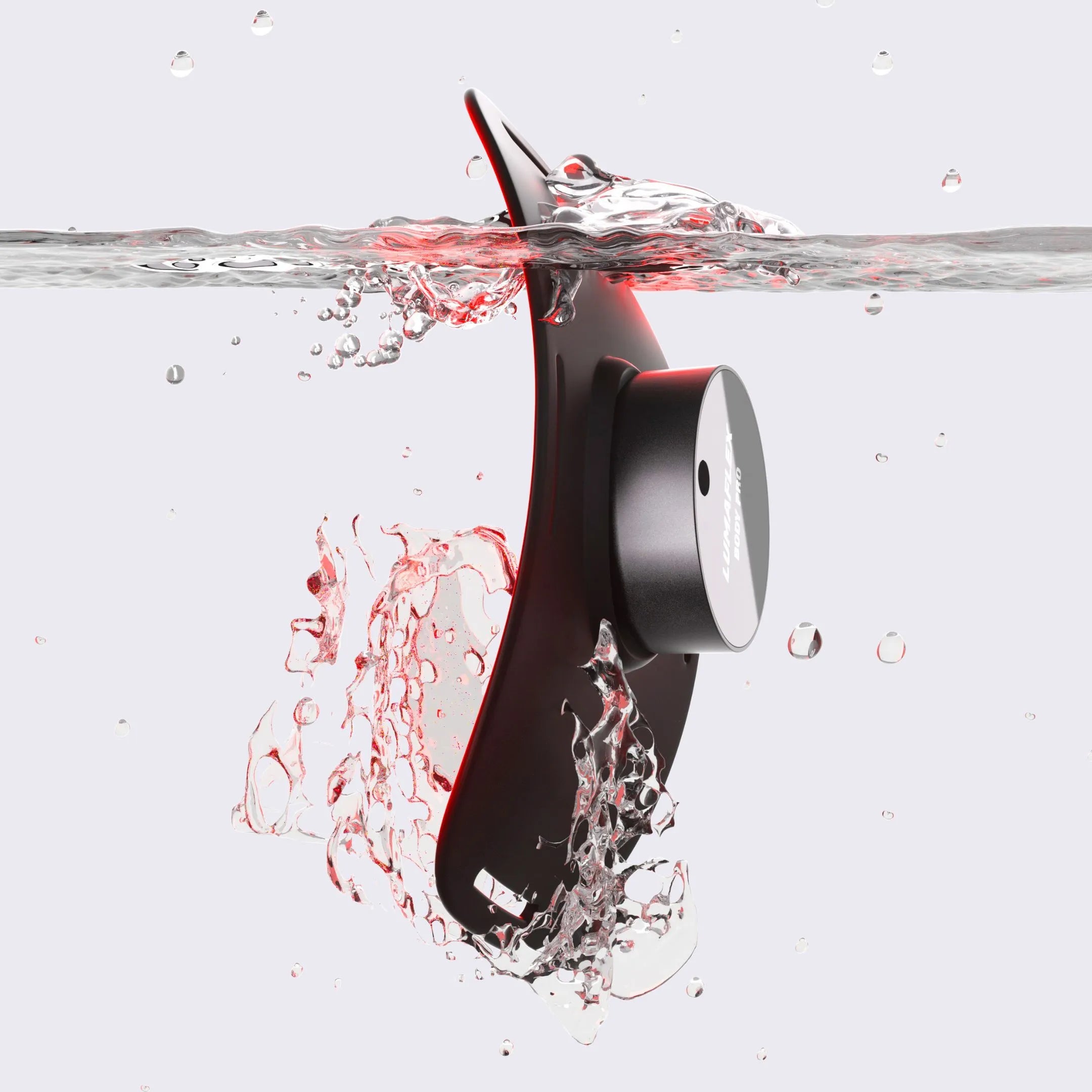
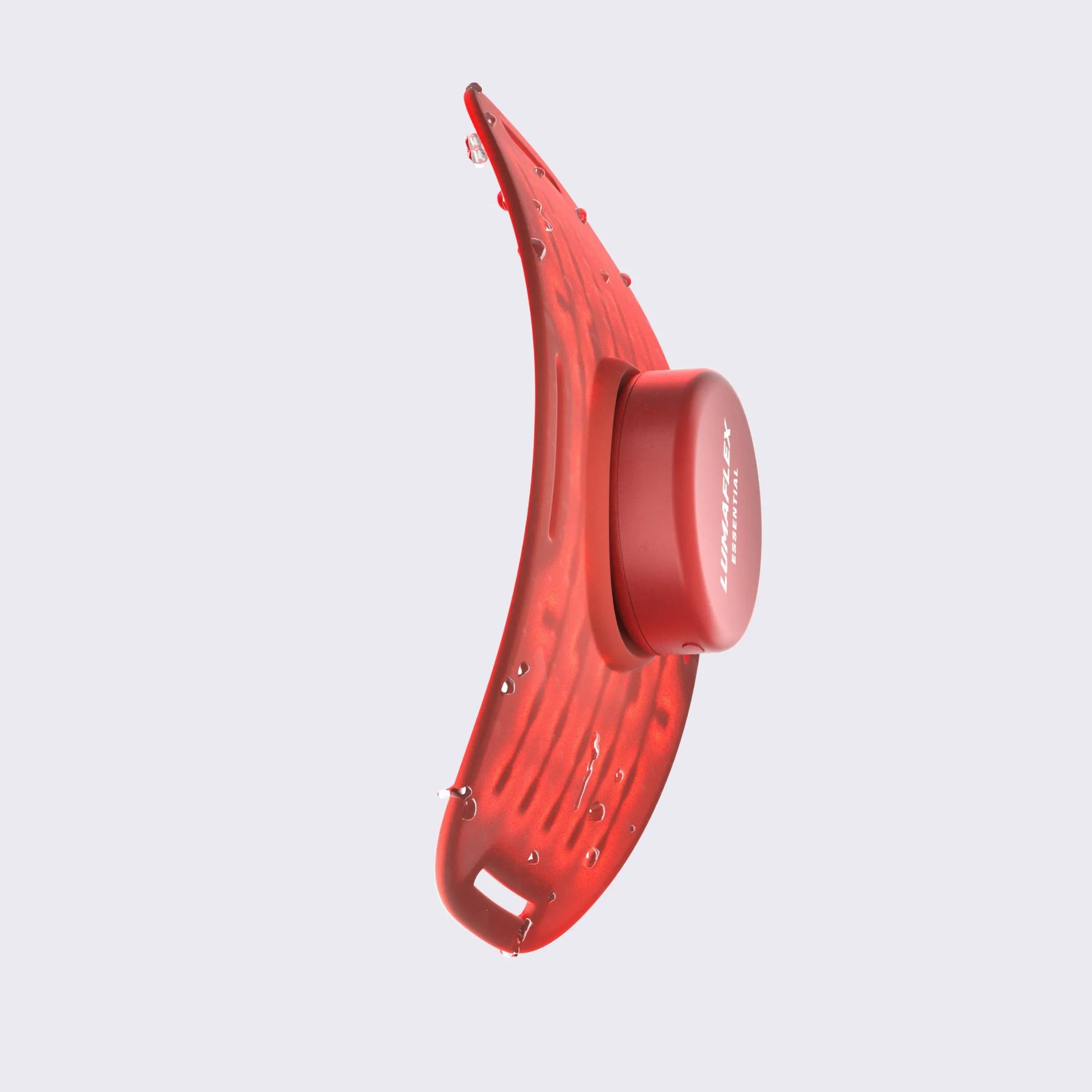
The Lumaflex Essential Pro covers these requirements — it delivers therapeutic wavelengths in the 630–850 nm range, is FDA 510(k) cleared, and is flexible enough to position over a shoulder, knee, or other surgical site without requiring you to hold it in place.
If you are earlier in your recovery and not sure which device fits your situation, the Lumaflex product comparison page breaks down the differences by use case.
Practical Tips for Using Red Light Therapy After Surgery
Dos and Don'ts
Do: Start with shorter sessions and gradually increase duration.
Don't: Apply red light therapy on open wounds or areas with active infections without medical advice.
Recommended Session Times
Typically, a session duration of 10-20 minutes, 3-4 times a week, is recommended for optimal results.
Combining RLT with Other Therapies
Frequently Asked Questions (FAQs)
Is Red Light Therapy Safe After Surgery?
Yes, it is generally safe when used appropriately and with medical guidance.
How Long Before I Can See Results from RLT?
Results can vary; some may see improvements in a few weeks, while others may take a few months.
Can I Use RLT on Open Wounds?
It is not recommended to use RLT on open wounds without medical advice.
Is RLT Effective for All Types of Scars?
RLT is effective for many types of scars, including surgical scars, but individual results can vary.
Conclusion
Red light treatment offers numerous benefits for the post-operative healing process, including improved scar appearance, faster tissue restoration, and effective pain management. Consulting with medical professionals before starting RLT will ensure that it is safely incorporated into your recovery plan.
Related Readings
- Recovery with Red Light Therapy for Injuries
- Lumaflex Honored with the 2025 Wellness and Longevity Choice Award for Physical Recovery and Performance
- Red Light Therapy for Sauna: The Ultimate Upgrade for Recovery and Longevity
- Feeling Knotted? How Red Light Therapy for Muscle Recovery Can Help Athletes
- DIY at Home: Setting Up Your Own Red Light Therapy Training Station
- Relax and Rejuvenate: The Power of a Warm Bath for Sore Muscles
- Red Light Therapy for Rotator Cuff: Why Swimmers Are Ditching Ice and Actually Recovering
- RLT Q&A: Does Red Light Therapy Help With Bruises
- Red Light Therapy for IT Band Syndrome: The Runner & Cyclist Guide
-
830nm LED Phototherapy for Faster Return-to-Play in Collegiate Athlete Injuries: A Pilot Study