Red Light Therapy for Lymphatic Drainage: Glymphatics, Lymphedema, and What Studies Show

The effects of red light therapy for lymphatic drainage have been investigated in areas ranging from brain waste clearance to lymphedema after cancer. This is the information that can be extracted from available scientific literature, and how it translates to lymphatic wellness practices.
Quick Answer
| Red light therapy may support lymphatic function by promoting vasodilation of lymphatic vessels, which can improve fluid movement. Animal research suggests low-dose photobiomodulation enhances lymphatic contractility, while a small 2013 clinical trial found low-level laser therapy produced comparable results to manual lymphatic drainage in breast cancer-related lymphedema. However, evidence for general wellness lymphatic support remains limited, and most research is either preclinical or condition-specific. |
- 1. What Is the Lymphatic System and Why Does It Matter?
- 2. How Red Light Therapy May Interact with the Lymphatic System
- 3. What Research Shows: Three Evidence Streams
- 4. The Glymphatic System: A Closer Look at Brain Waste Clearance
- 5. Clinical Evidence: Red Light Therapy for Lymphedema
- 6. Practical Application: Using Red Light Therapy for Lymphatic Support
- 7. Safety Considerations
- 8. Frequently asked questions (FAQs)
- 9. Key Takeaways
- 10. References
What Is the Lymphatic System and Why Does It Matter?
Most individuals know the cardiovascular system facilitates the flow of blood throughout the body. However, few individuals understand what drives the other processes taking place in their bodies. The lymphatic system is another circulation system in the human body, and it has responsibilities that the bloodstream lacks. These include transporting of extra interstitial fluid, filtering it, and recycling it back into the blood after cleaning it up by passing it through lymph nodes.
In contrast to the circulatory system, the lymphatic system does not have a special mechanism for the movement of its liquid constituents. Instead, lymph moves from one vessel to another through pressure generated by the contractions of muscles, respiratory movements, and lymphatic vessel walls themselves. Inside lymphatic vessels, there are smooth muscles, which constrict and help lymph move. If there is a problem with facilitating the drainage of fluid from the interstitial space due to the factors mentioned above, it will result in the fluid retention phenomenon known as edema.

There are various kinds of lymphatic problems: swelling resulting from an injury, puffiness as a consequence of lack of exercise or poor blood circulation, and clinically evident lymphedema in cases where the lymphatic vessels' structure has been affected. It is extremely important to be able to distinguish between all these issues in order to properly understand the literature on red light therapy.
Clinical Lymphedema vs. General Lymphatic Health: An Important Distinction
The phrase "lymphatic drainage" holds entirely distinct implications according to the circumstances. In clinical terminology, lymphatic drainage is a process for treating lymphedema, a health disorder often found in cancer patients who have undergone surgery and radiation treatment to remove cancer and damage their lymphatic vessels. A manual lymphatic drainage is a specific treatment method done by licensed therapists in complete decongestive therapy.
In the holistic setting, "lymphatic drainage" refers to practices that are thought to promote the proper functioning of the lymph in healthy individuals: dry brushing, jumping, hydration, massage, and even red light therapy in recent times. These practices are thought to contribute to beauty, boost circulation, promote recovery after physical exercise, and build the body's immunity.
While there is a connection between the two, they cannot be confused. Many researchers have focused on the medical management of lymphedema. Compared to red light therapy in lymphatic wellness, few studies have focused on general lymphatic wellness. In writing an excellent piece on the subject, this must be considered.
The Glymphatic System: The Brain's Lymphatic Drainage Network
The problem with the central nervous system lies in its location in bone, its inability to withstand any swelling, and that it was previously believed that it lacked any form of lymphatic drainage altogether. Scientific studies in the last decade have discovered an elaborate mechanism of draining waste from the brain, known as the glymphatic system – named after glial cells and lymphatic systems.
The fluid is removed through the outer membranes of the blood vessels of the brain, and consequently, waste material produced by brain cells is eliminated from the brain. Amyloid beta protein is one of the waste products, which form the plaque that appears due to the disease named Alzheimer's disease. The significance of noting that the glymphatic system performs better when a person sleeps should be emphasized since the process of sleep is a key component of brain functioning.
Lymphatic brain meninges flow to the lymph nodes of the cervical part of the body situated in the neck area. It is clear that a link between brain lymphatics and lymphatics of the neck area in relation to brain photobiomodulation exists.
How Red Light Therapy May Interact with the Lymphatic System
The biological effects resulting from the absorption of particular wavelengths of light, both red and infrared, by tissues are known as photobiomodulation. The cytochrome c oxidase, which is an enzyme in the mitochondria responsible for energy generation, is one of the targets within cells for stimulation with light. Other secondary biological actions associated with photobiomodulation include the generation of nitric oxide and decreased oxidative stress.
A number of these secondary biological activities affect lymphatic physiology. Here is what the researchers know about the links between photobiomodulation and lymphatic function.
Lymphatic Vessel Vasodilation: The Primary Proposed Mechanism
The first-line experimental evidence for the influence of PBM on lymphatics is the study of Semyachkina-Glushkovskaya et al., reported in 2020 in Biomedical Optics Express. Applying OCT imaging techniques to mice, they quantified the contractile activity and diameter of mesenteric lymphatic vessels before and after the use of PBM at 1267 nm.
The result showed that low doses of radiation (5 to 10 J/cm2) lead to visible vasodilation. The vessels increased in size and became more contractile; hence, their capacity to pump the fluid improved, as well. This is precisely the starting point of the suggested hypothesis behind the influence of PBM on lymphatic functions: vasodilation.
There were some limitations associated with the research as well. First, this research was performed on animals, not people. Second, the wavelength of radiation was above 1267 nm, which means that the results cannot be applied to various consumer devices, which have the wavelengths between 630 to 850 nm. Third, in this research, scientists worked with mesenteric lymphatic vessels; however, in other research conducted by the same authors, an increase in meningeal lymphatic vessels was found.

Nitric Oxide and Smooth Muscle Relaxation in Lymphatic Walls
The effect of PBM that has been found consistently is that it acts as a stimulator of nitric oxide production via the cytochrome oxidase pathway. The significance of this pathway is that nitric oxide acts as a known vasodilator, and a vasodilator refers to something that relaxes the smooth muscle of the vessel wall. As it has already been pointed out, smooth muscles are also present in lymphatic vessels. Hence, it becomes clear why nitric oxide signaling would be a logical path for inducing vessel relaxation.
Reduced Edema Through Anti-Inflammatory Cytokine Modulation
There is a positive feedback loop between inflammation and compromised lymphatic system functions. In cases where there is inflammation, pro-inflammatory mediators like TNF-alpha and IL-1beta act to increase the permeability of capillaries, causing an amount of interstitial fluid that exceeds the ability of the lymphatic system to effectively remove from the body.
It is through its strong ability to mitigate inflammation and pro-inflammatory cytokines that PBM has been found useful in managing this problem. Through PBM treatment, there is a likelihood that there will be a reduction of the level of inflammation, thus decreasing the volume of fluid that needs to be removed.
Improved Local Circulation and Interstitial Fluid Movement
The effect of PBM on microcirculation in the blood vessels, including capillary dilatation and improved blood circulation, may also help in the formation of lymphatic drainage. Improved microcirculation will result in the balance of pressure between the capillaries and the interstitial fluid, slowing down the fluid retention process. Nonetheless, this is just an additional piece of evidence and not necessarily the primary reasons behind the effectiveness of lymphatic drainage.
The Dose-Dependency Finding: Why Less May Be More
In particular, the 2020 Semyachkina-Glushkovskaya study contained an interesting practical insight: the dependence of the effect of PBM on the dose of irradiation is non-linear. Small doses (from 5 to 10 J / cm2) increased lymphatic pump activity and effectiveness. Larger doses (from 30 to 70 J/cm2) had the opposite effect, decreasing the pump action and drainage performance.
This dual response to dose is actually the phenomenon known as hormetic or Arndt-Schulz response, where low doses produce a beneficial effect and large doses have inhibitory properties. This means that using PBM to treat lymphedema does not imply maximizing light exposure but rather administering optimal, scientifically validated doses. Thus, the accuracy of PBM parameters used is much more important than the strength of the device.
What Research Shows: Three Evidence Streams
The current research on red light therapy and the lymphatic system can be organized into three distinct streams, each at a different stage of evidence and each relevant to a different aspect of lymphatic health.
Brain Lymphatic Drainage: Semyachkina-Glushkovskaya et al., 2020 (Biomedical Optics Express)
This animal study used OCT imaging to examine how PBM at 1267 nm affected both mesenteric lymphatic vessel function and meningeal lymphatic clearance in mice. The low-dose finding (vasodilation and improved contractility at 5 to 10 J/cm2) has already been described above. The second component of the study involved transcranial PBM applied to mouse brains loaded with gold nanorods, used as traceable markers. The researchers demonstrated enhanced clearance of the gold nanorods from the brain via meningeal lymphatic vessels following PBM application.
The practical significance is as a proof-of-concept: PBM can interact meaningfully with both peripheral and meningeal lymphatic vessels, producing measurable effects on drainage function. The limitations are equally significant: the wavelength exceeds consumer device ranges, the subject species is mouse, and meningeal lymphatics are a specialized system not directly equivalent to peripheral lymphatic drainage in the limbs and trunk.
The Glymphatic System Review: Salehpour et al., 2022 (International Journal of Molecular Sciences)
This comprehensive narrative review, authored by researchers from institutions in Germany, Iran, and the United States, summarized the animal research on PBM's proposed role in augmenting the brain's glymphatic drainage system. The review covered proposed mechanisms including PBM's effects on aquaporin-4 (AQP4) channels, which regulate fluid movement between brain tissue and the fluid-filled channels around blood vessels, as well as PBM's effects on CSF circulation through paravascular pathways.
The review also proposed practical applications including transcranial PBM, cervical LED applications targeting deep cervical lymph nodes (dcLNs), and body pad applications over corpus and cervical lymph tissue. The authors noted that the glymphatic system is most active during sleep and suggested that PBM timing aligned with the circadian rhythm of glymphatic activity might improve efficacy, making pre-sleep application a potentially relevant protocol.
The critical framing here is that this review is based entirely on animal research and mechanistic proposals. No human trials on glymphatic function using consumer PBM devices have been published. The body pad and cervical application proposals are anatomically reasoned but remain speculative pending human trial data.
Clinical Lymphedema: Ridner et al., 2013 (Oncology Nursing Forum, Vanderbilt University)
This is the most clinically relevant study possible within the human population based on the selected articles. This particular article by Ridner et al. included 46 breast cancer survivors suffering from lymphedema because of their treatment process. These patients were randomly assigned to three treatment groups, wherein a first group received only MLD treatment for 40 minutes, second received LLLT only for 20 minutes, whereas a third group got the combination treatment of MLD and LLLT.
LLLT was found to be equally effective relative to MLD concerning arm volume reduction, symptom intensity reduction, and improved quality of life. No differences in efficacy were observed between the treatment methods when they were used alone versus in combination. Summing up their findings, the researchers stated that LLLT may offer a less burdensome alternative or adjunct in some cases with MLD for lymphedema.
Study limitations:
With 46 patients enrolled in the clinical trial split into three groups, this can be viewed as a pilot study.
The sample includes women with breast cancer and clinically diagnosed lymphedema. There were no healthy individuals involved in the study.
MLD is currently regarded as the gold standard in lymphedema treatment, as it is applied during complete decongestive therapy. Consequently, despite the promising outcomes of the pilot study, there is no reason to give up on MLD as a potential treatment method.
The Gap: What Evidence Exists for General Wellness Lymphatic Drainage
It is worth being direct about what the current research does not address. None of the three studies above examined red light therapy's effects on lymphatic function in healthy, non-clinical populations seeking general wellness benefits. The animal research establishes mechanistic plausibility. The clinical lymphedema research suggests a role in a specific medical context. What happens at the intersection of PBM and everyday lymphatic health in people without diagnosed conditions is a gap in the current evidence base.
Broader LLLT-lymphedema systematic reviews (including work by Omar et al. and others) support the general direction of the Ridner findings across multiple clinical studies, reinforcing the case in the clinical context. The proposed mechanisms (vasodilation, anti-inflammatory effects, nitric oxide signaling) are plausible contributors to lymphatic support in non-clinical settings as well. But the direct human evidence for the wellness application does not yet exist. That is the honest position, and it is one the research community itself acknowledges.
The Glymphatic System: A Closer Look at Brain Waste Clearance
Much attention from scientific communities has been drawn towards the glymphatic system since it has been thoroughly studied in the beginning of the 2010s. It functions in such a way that the perivascular spaces surrounding blood vessels are the channels through which CSF travels through brain tissues. The fluid enters the brain tissues carrying waste products of metabolism, such as amyloid-beta and tau proteins, and leaves the brain through meningeal lymphatic vessels in cervical lymph nodes.
Aquaoporin-4 (AQP4) proteins located in the foot processes of the astrocytes (the supportive cells near blood vessels) function as gateways for the fluid to pass from brain tissues to perivascular spaces. According to Salehpour et al., 2022, it is believed that PBM enhances the activity of AQP4 and facilitates the entry of CSF into the brain via these gateways; however, it remains hypothetical in human beings.
How does this apply to other functions of the lymphatic system? Due to the fact that there is a connection between the lymphatics in the meninges which drains the brain and the cervical lymph nodes, any problems in the glymphatic system are not only associated with the development of Alzheimer's disease but are also related to neuroinflammation and sleep problems. The link of the above phenomenon with PBM can be considered a fascinating topic for scientific research by itself.

What This Research Does and Does Not Mean for At-Home Users
Animal studies indicate that PBM at lower dosages might be beneficial for lymphatic drainage of the meninges and glymphatic function. One study published in 2022 offered protocols for application of light therapy through exposure of the cervical region and transcranial delivery of LED lights. Prem-sleep application of the method was recommended due to the circadian nature of glymphatic function.
What this does not entail: There are no studies using commercially available devices with red light for application to humans and improvement of glymphatic clearance. Also, there is no evidence that the protocols developed for animal use can be translated to commercial devices used in practice. And there is no proof that the process of applying light from a commercially available red light panel to the posterior cervical region improves glymphatic clearance.
Clinical Evidence: Red Light Therapy for Lymphedema
This disease happens owing to lymphatic injury or blockage, or lack of channels of the lymphatic system, resulting from cancer therapies like surgery and radiation, which may cause damage to the lymphatics. Breast cancer survivors, following surgery or radiation in the underarm area, would definitely suffer from arm lymphedema, which is a progressive disease that would negatively impact on their life quality.
A standard treatment method is considered complete decongestive therapy which consists of performing manual lymphatic drainage by specialists, wearing garments that provide constant pressure, proper skin care, and exercising. Nonetheless, the technique of MLD is extremely sophisticated and tedious, and there aren't enough qualified specialists. Thus, it raises a legitimate question about the potential of using laser low-level light therapy as an additional or replacement treatment method.
This consideration is what the pilot study by Ridner et al. (2013) took into account in designing their experiment. The result obtained in relation to the similarity in performance between LLLT and MLD in terms of outcome is a good sign and in line with where the research into the efficacy of LLLT in treating lymphedema would lead us to predict. This is especially considering that LLLT sessions only take 20 minutes compared to 40 minutes for MLD therapy.
From a clinical standpoint, LLLT appears to be worthy of consideration for further evaluation as an adjunct or even an alternative therapy for patients who have difficulty accessing professional help. It should be understood, however, that LLLT will never be able to replace the entire regimen of care, which is CDT.
Important Safety Note for Cancer Survivors: Always Consult Your Oncologist First
For survivors of cancer who are dealing with lymphedema caused by their treatments, the application of red light therapy should involve consultations with their oncology care team prior to its application. In terms of the more extensive studies into LLLT and lymphedema that include the study by Ridner et al., these were done using breast cancer survivors without any instances of recurrence among the subjects that might indicate negative side effects for using LLLT. While there are no clear answers as yet in the literature as to whether LLLT is safe for stimulating the lymphatic system near tumors, radiation fields, and drainage routes, it is not a cause for prohibiting its use altogether.
Practical Application: Using Red Light Therapy for Lymphatic Support
For those interested in using red light therapy as part of a lymphatic wellness routine, several practical considerations follow from the available research.
The sites that can be used include those with extensive lymphatic tissue architecture. Neck is one such location that is important considering it is related to the peripheral lymph nodes as well as meningeal lymphatic pathway. The underarm and groin regions are considered effective lymphatic stimulation sites because they contain multiple clusters of lymph nodes and can be used for the purpose in the upper and lower body regions respectively. Mesenteric lymphatic tissues were targeted in the mice study carried out in 2020, which can be found in the abdominal region.

The choice of wavelength is essential regarding tissue depth. Wavelengths between 810 and 850 nanometers (nm) have greater tissue penetration than red light, thus being useful for stimulating lymphatic vessels that are located below the skin's surface layer. Wavelengths of 630 to 660 nm have higher efficacy at treating superficial layers of tissues that show inflammation and swelling. This device should incorporate both wavelengths.
Session frequency in the range of three to five times per week is a reasonable starting point for general recovery support. For active swelling management, daily sessions may be more appropriate. For anyone specifically interested in the glymphatic dimension, the Salehpour 2022 review's suggestion of pre-sleep timing has a mechanistic rationale worth considering, given that glymphatic activity peaks during sleep.
Dose Matters: Why Higher Is Not Always Better
The dose-dependency finding from the Semyachkina-Glushkovskaya 2020 study deserves emphasis in a practical context. The stimulatory effect on lymphatic contractility occurred at low doses (5 to 10 J/cm2). Higher doses (30 to 70 J/cm2) suppressed the effect. This means using a well-calibrated device within research-consistent parameters is more important than maximizing light output or session duration. More power and longer sessions are not equivalent to better outcomes for lymphatic applications.
What Lumaflex Essential Pro Offers for Lymphatic Application
Supporting lymphatic function through photobiomodulation is less about intensity—and more about delivering the right wavelengths at controlled, research-aligned doses.
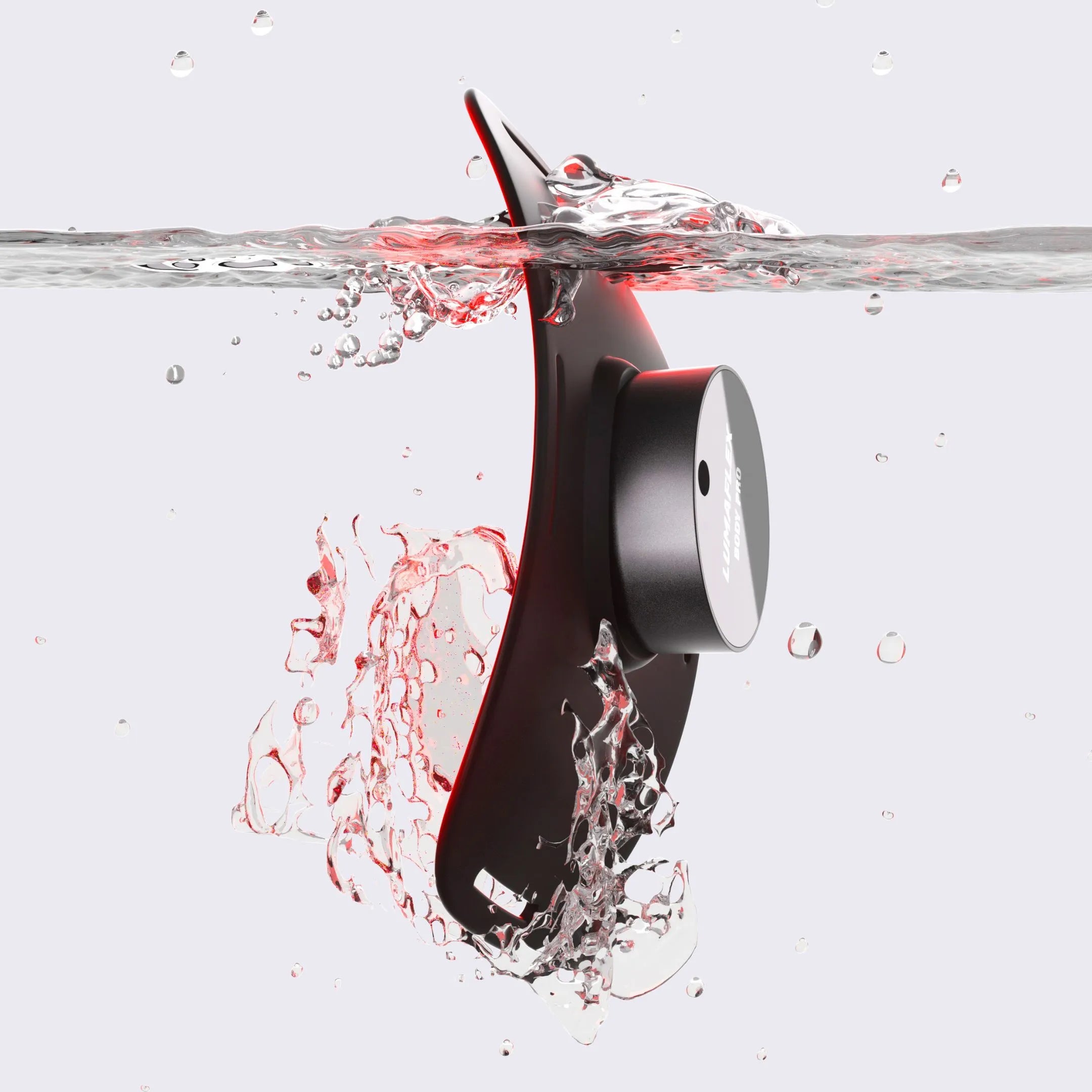
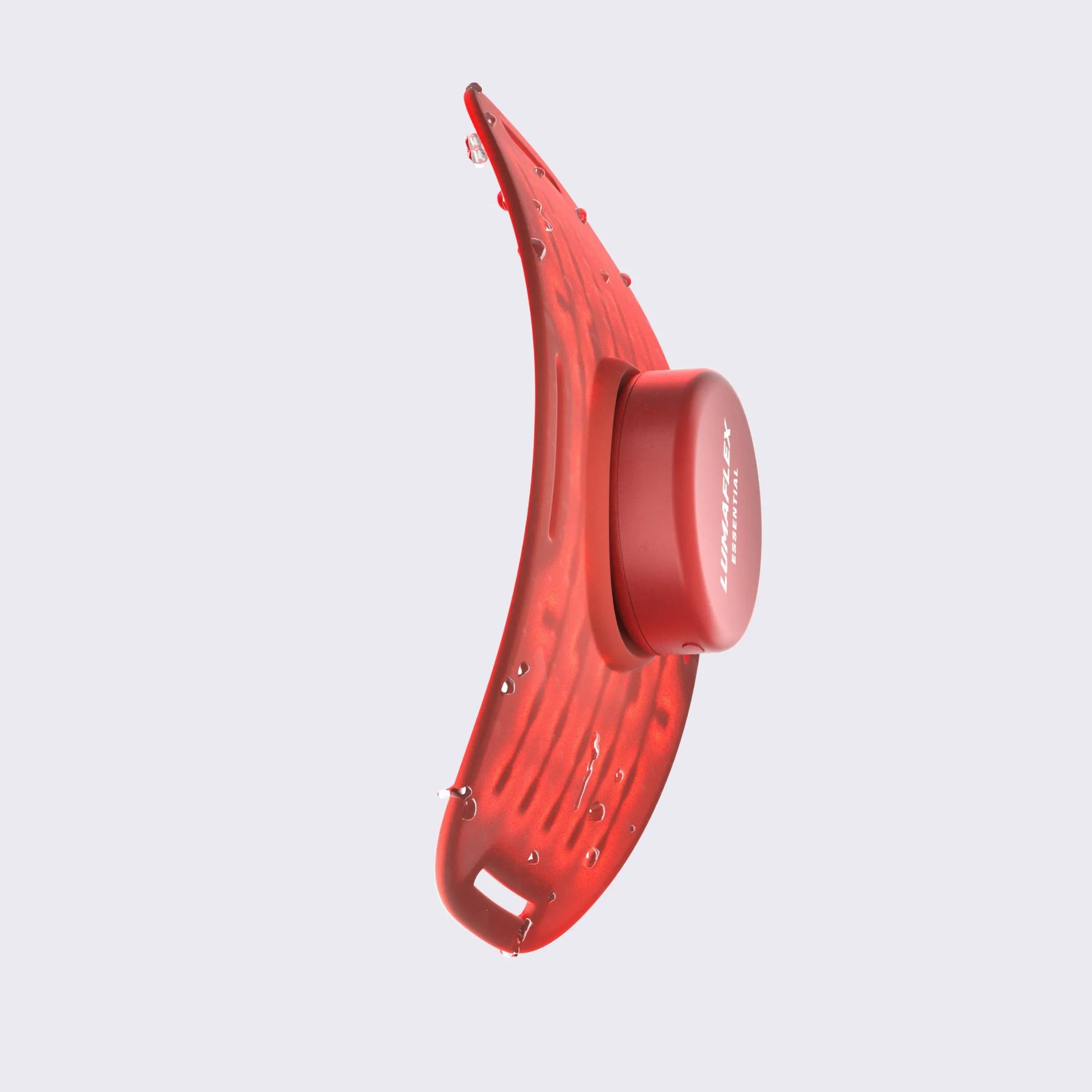
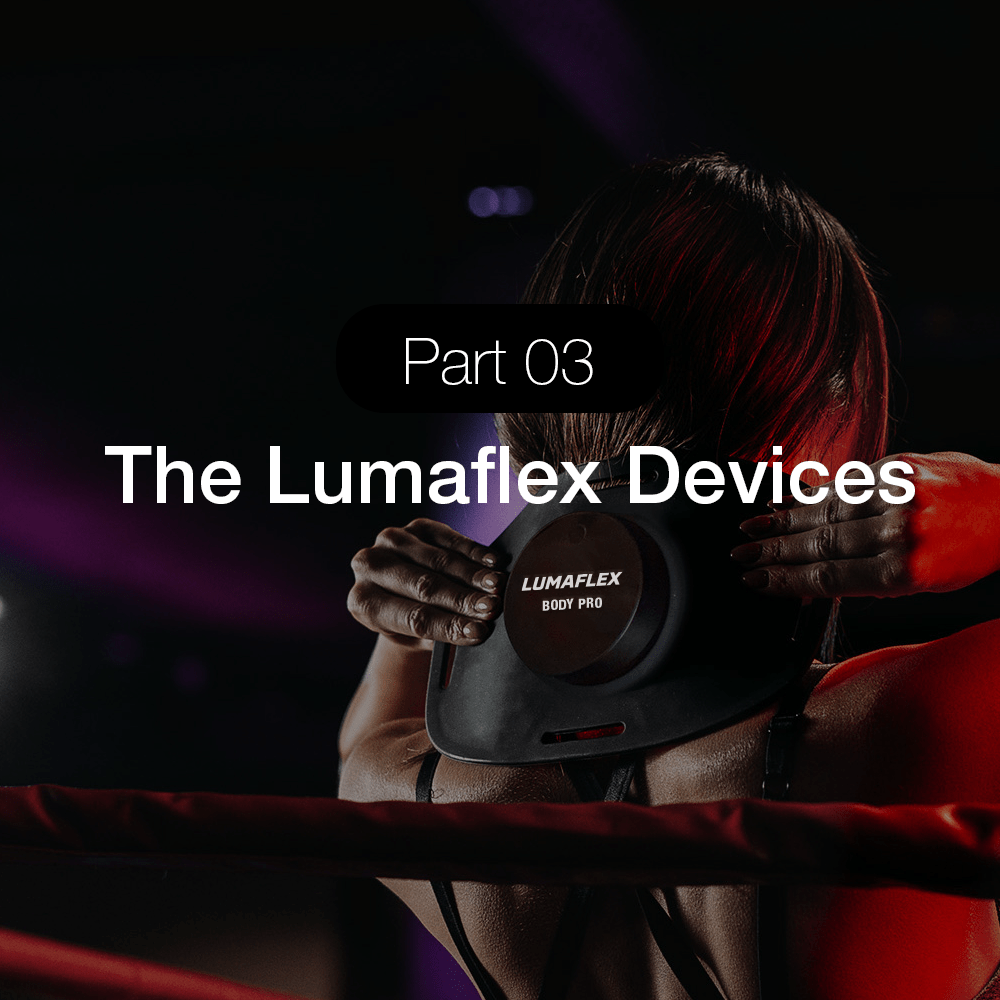
The Lumaflex Essential Pro delivers both red and near-infrared wavelengths, giving you the flexibility to target surface-level swelling and inflammation as well as deeper lymphatic vessel layers in the cervical, abdominal, and axillary regions. Its portable, adaptable format is well-suited to the kind of consistent, whole-area coverage that lymphatic application requires, from the neck and collarbone down to abdominal and inguinal zones.
As with any wellness protocol aimed at supporting a specific physiological system, understanding the science behind the application makes a meaningful difference to outcomes, which is exactly what the Lumaflex Foundations Course is designed to provide.
Safety Considerations
RLT uses non-ionizing radiation without generating any UV radiation. Its safety in therapeutic doses is quite well studied. No cases of damaging effects on the lymphatic system were reported when used in therapeutic dosages, which are within the range used in scientific research.
Points to remember:
• If a patient who has been diagnosed with lymphedema and wants to use RLT is looking for advice, it is better to seek an oncologist’s and lymphedema specialist's guidance first regarding their intentions.
• If an individual has skin infections where the treatment would normally be applied, the person must address this issue first before receiving light treatment.
• Using medications like antibiotics, antifungals, and antipsychotics causes phototoxicity, which means that people can become easily exposed to the dangers of being under the influence of light. It is highly advised for one to seek the advice of a doctor when it comes to using the above medications.
Red light therapy poses minimal health risks to the general population under research-based parameters.
Does red light therapy actually help with lymphatic drainage?
As reported by various studies, photobiomodulation therapy could be helpful in improving lymphatics through several mechanisms; mainly, it is helpful in increasing the vasodilatory effects on the lymphatic vessel walls, thereby improving the contractions of the lymphatic vessels. For example, as stated in one mouse-based study from the year 2020, PBM at lower concentrations was effective in improving the contractility of mesenteric lymphatics along with an improvement in the drainage of substances within the meningeal lymphatics. Similarly, in a pilot randomized clinical trial conducted at Vanderbilt University, LLLT was observed to have comparable results with manual lymphatic drainage in lymphedema cases.
What is the glymphatic system and what does red light therapy have to do with it?
According to scientific literature, the glymphatic system refers to the brain’s waste clearance network, whereby the process entails the cleansing of the brain tissues via draining of the toxins within the brain by way of the meningeal and cervical lymphatics system. As illustrated in the research article "Photobiomodulation Therapy and Its Potential to Improve Glymphatic Drainage" published in the International Journal of Molecular Sciences in 2022, photobiomodulation therapy may help in improving the effectiveness of the brain's glymphatic drainage through dilating the meningeal lymphatic system.
Can red light therapy replace manual lymphatic drainage for lymphedema?
RLT has not been shown to be used effectively as a total substitute for lymphedema care. A pilot study at Vanderbilt University has shown that LLLT can yield results similar to MLD in a small clinic population, making it an alternative, but certainly not a substitution for CDT, which is the standard of care in practice. In any situation where there is a diagnosis of clinical lymphedema, you should consult with your trained lymphedema therapists and the oncologists overseeing your case.
Where should I apply red light therapy for lymphatic support?
According to the site of the lymph node, treatment has been suggested to take place in the neck area when the deep cervical lymph nodes are affected, in the abdomen area in the case of mesenteric lymph nodes, and in the axilla and inguinal areas when the peripheral lymph nodes are affected. While the infrared light is appropriate for use on lymph nodes deep within the body (810-850 nm), red light is suggested for application on superficial lymph nodes where there is an inflammation or edema (630-660 nm).
Does the dose of red light therapy matter for lymphatic effects?
Absolutely, and this can be regarded as one of the most practically significant discoveries in this area. According to Semyachkina-Glushkovskaya (2020), there was a significant dose-dependent response observed: low dosages (5 to 10 J/cm2) increased contractile function and lymph drainage, whereas high doses (30 to 70 J/cm2) had the opposite effect. It should be highlighted that this dose-dependent response coincides with the existing evidence regarding PBM and highlights the importance of using devices with research-consistent parameters instead of striving to increase power and intensity of light emission.
Is red light therapy safe to use for lymphatic support if I have had cancer?
This will require an accurate and personalized analysis performed by you and your oncology treatment team. In the case of the larger body of LLLT-lymphedema studies, including the Ridner et al. study mentioned previously, no incidences of harm have been identified as occurring in any of the breast cancer survivors participating in studies due to LLLT-lymphedema treatment, and thus there were no issues with cancer recurrence. Nonetheless, some scientists believe that certain safety concerns involving the use of stimulation of the lymphatic system in cancer patients still remain unanswered in terms of metastasis possibility from irradiation sites.


Key Takeaways
• Low level (5–10 J/cm2) PBM treatment increased contractile activity and lymphatic drainage in mice, whereas higher levels (30–70 J/cm2) reduced contractility and lymphatic drainage. Dosing is very important.
• PBM has been hypothesized as a treatment to boost glymphatic drainage, following animal-based research findings, in an IJMS article in 2022. Evidence in humans remains insufficient.
• Pilot RCT conducted at Vanderbilt in 2013 comparing LLLT vs. manual lymphatic drainage among 46 subjects for breast cancer related lymphedema showed equal efficacy for both groups. Pilot data only.
• PBM's action pathway in lymphatics involves vasodilation of lymphatic vessels, nitric oxide signaling, and decreased anti-inflammatory cytokines.
• Relevant wavelengths include NIR (810 to 850nm) for deeper lymphatic vessels, red (630 to 660nm) light for superficial swelling and inflammation.
• Timing is probably more important in evening and pre-bedtime use due to the circadian aspect of the glymphatic system function.
• Self-management of lymphedema in cancer patients needs prior consultation with their oncologist.
• General well-being claims regarding lymphatic drainage far exceed current research evidence base. Promising research domain, not clinical application.
This information can be considered as merely educational content and cannot take the place of professional advice. Treatment of lymphedema requires involvement of professionals in this sphere. If you have been diagnosed with any type of cancer or another condition requiring careful consideration, then it is essential that you contact your doctor prior to undergoing treatment.
References
Chen, H., Tsai, H., Tam, K., & Huang, T. (2019). Effects of photobiomodualtion therapy on breast cancer-related lymphoedema: A systematic review and meta-analysis of randomised controlled trials. Complementary Therapies in Medicine, 47, 102200. https://doi.org/10.1016/j.ctim.2019.102200
Omar, M. T. A., Ebid, A. A., & Morsy, A. M. E. (2010). Treatment of Post-Mastectomy Lymphedema with Laser Therapy: Double Blind Placebo Control Randomized Study. Journal of Surgical Research, 165(1), 82–90. https://doi.org/10.1016/j.jss.2010.03.050
Ridner, S. H., Poage-Hooper, E., Kanar, C., Doersam, J. K., Bond, S. M., & Dietrich, M. S. (2013). A pilot randomized trial evaluating Low-Level laser therapy as an alternative treatment to manual lymphatic drainage for breast Cancer-Related lymphedema. Oncology Nursing Forum, 40(4), 383–393. https://doi.org/10.1188/13.onf.383-393
Salehpour, F., Khademi, M., Bragin, D. E., & DiDuro, J. O. (2022). Photobiomodulation therapy and the glymphatic System: promising applications for augmenting the brain lymphatic drainage system. International Journal of Molecular Sciences, 23(6), 2975. https://doi.org/10.3390/ijms23062975
Semyachkina-Glushkovskaya, O., Abdurashitov, A., Dubrovsky, A., Klimova, M., Agranovich, I., Terskov, A., Shirokov, A., Vinnik, V., Kuzmina, A., Lezhnev, N., Blokhina, I., Shnitenkova, A., Tuchin, V., Rafailov, E., & Kurths, J. (2020). Photobiomodulation of lymphatic drainage and clearance: perspective strategy for augmentation of meningeal lymphatic functions. Biomedical Optics Express, 11(2), 725. https://doi.org/10.1364/boe.383390
Smoot, B., Chiavola-Larson, L., Lee, J., Manibusan, H., & Allen, D. D. (2014). Effect of low-level laser therapy on pain and swelling in women with breast cancer-related lymphedema: a systematic review and meta-analysis. Journal of Cancer Survivorship, 9(2), 287–304. https://doi.org/10.1007/s11764-014-0411-1